Best Rock Mandolin Players of All Time
by Dave Fox
The mandolin appears on fewer than 3% of mainstream rock recordings, yet some of the most iconic moments in classic rock were built entirely around its eight strings. When our team started exploring the best rock mandolin players, we kept finding the same pattern: most people know these musicians primarily as guitarists, bassists, or singers, with the mandolin treated as an afterthought. That framing sells the instrument — and the players — considerably short. For anyone exploring the broader world of music history and gear, rock mandolin is one of the most underexamined entry points into understanding how unconventional instruments produce unforgettable recordings.

The mandolin's roots run through Italian folk music and American bluegrass, but its jump into rock wasn't gimmicky or accidental. Players like Jimmy Page and Peter Buck reached for it because nothing else produced the same articulate, chiming attack. Our team has spent considerable time with these recordings, and the more we listen, the clearer it becomes that the instrument's perceived limitations are actually its greatest strengths in a rock context.
This deep dive covers the musicians who defined rock mandolin across multiple decades, what separates their approaches, and how most people can begin building a genuine appreciation for the instrument's place in rock history.
Contents
What People Get Wrong About Rock Mandolin
The "Folk Instrument" Misconception
Most people who encounter a mandolin in a rock track tend to file it away as a folk crossover moment — something borrowed from another genre and dropped in for texture. That reading misses the point entirely. The best rock mandolin players weren't borrowing from folk; they were exploiting the instrument's natural attack and sustain profile to fill sonic space that guitars simply couldn't occupy as cleanly. The mandolin's doubled strings and short scale produce a percussive snap that cuts through dense mixes without competing with the rhythm guitar's midrange warmth.
Our team has noticed this same error repeated across music criticism — writers hear a mandolin passage and reach for bluegrass or Celtic comparisons when the actual musical function is closer to a rhythm guitar doing double time. That framing matters because it shapes which details register on repeated listens.

Overlooking the Electric Mandolin
Another common error is treating acoustic and electric mandolin as interchangeable. They aren't. The electric mandolin can run through the same signal chain as a guitar — distortion, delay, chorus — and produce results that are genuinely distinct from anything an acoustic instrument can offer. Players like Ritchie Blackmore demonstrated this fully, using the electric mandolin with amp drive in ways that sound nothing like their acoustic counterparts. Our team found that many listeners don't even register they're hearing a mandolin when it's been processed through effects, which speaks to how versatile the instrument actually is in the right hands.
Where the Mandolin Found Its Place in Rock
Acoustic Texture in Electric Arrangements
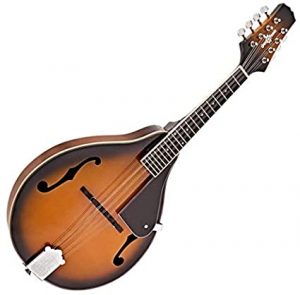
When a rock arrangement calls for something that floats above the bass and drums without adding more sustained guitar tone, the mandolin is an effective solution. Its quick decay means each note lands and releases cleanly, which helps in dense multi-instrument arrangements. Ray Jackson's mandolin work on "Maggie May" by Rod Stewart is the textbook example — it provides rhythmic motion and melodic interest without cluttering a track that already has acoustic guitar, piano, and electric guitar competing for space.
Pro insight: When analyzing a rock track for mandolin, listen specifically to the attack of the note — if it blooms and sustains, it's likely a guitar; mandolin notes snap and decay almost immediately, giving them a distinctly percussive character in the mix.
The Mandolin Across Classic Rock Eras
The instrument's appearance in rock follows roughly three phases. The first wave came in the late 1960s and early 1970s, when rock musicians were drawing from Americana and British folk — Led Zeppelin, Rod Stewart, Jethro Tull. The second wave arrived in the alternative rock era, when bands like R.E.M. and Blind Melon incorporated acoustic instruments as textural contrast to electric arrangements. The third, ongoing phase is more eclectic — artists like Jack White have approached the mandolin with the same experimental mindset they bring to every instrument they pick up. Each era produced distinct players with distinct techniques, and understanding the timeline makes the differences between them much more legible.
The Best Rock Mandolin Players Worth Knowing
Our team put together this overview of the most influential players and their signature approaches. The list isn't ranked — each musician brought something genuinely distinct to the instrument in a rock context.
| Player | Primary Band / Context | Notable Mandolin Moment | Style |
|---|---|---|---|
| Ray Jackson | Lindisfarne / Rod Stewart | "Maggie May" | Folk-inflected melodic |
| Jimmy Page | Led Zeppelin | "The Battle of Evermore" | Celtic atmospheric |
| John Paul Jones | Led Zeppelin | "Gallows Pole" | Bluegrass-influenced chordal |
| Peter Buck | R.E.M. | "Losing My Religion" | Alternative acoustic |
| Ritchie Blackmore | Blackmore's Night | Renaissance folk rock recordings | Medieval / electric hybrid |
| Tommy Shaw | Styx / solo | Acoustic studio and live work | Arena rock acoustic |
| Jack White | The White Stripes / solo | "Hotel Yorba" and live sets | Blues-rock raw |
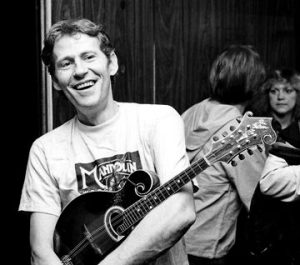
| Levon Helm | The Band | Studio recordings, "Chest Fever" | Americana roots |
| Rory Gallagher | Solo | Acoustic live sets | Irish folk-blues |
| Ry Cooder | Solo / sessions | Roots and world fusion recordings | Roots / world crossover |
The Led Zeppelin Connection
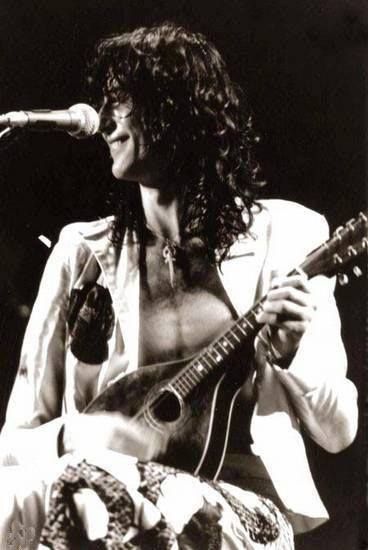
Led Zeppelin's relationship with the mandolin is one of the clearest examples of how rock musicians absorbed folk influences without making folk music. Jimmy Page's work on "The Battle of Evermore" uses the mandolin to construct an almost medieval atmosphere alongside Sandy Denny's guest vocals. Page approached the instrument with the same modal sensibility he brought to acoustic guitar, using open voicings and drone strings to build tension across the track. John Paul Jones took a complementary but distinct route — using the mandolin as a percussive chordal instrument rather than a lead voice, emphasizing rhythm over melody in a way that grounded the arrangement.

Icons From Every Rock Decade
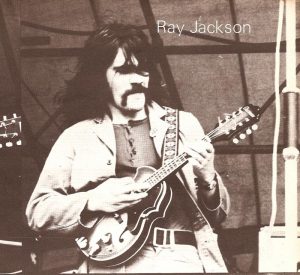
Ray Jackson of Lindisfarne played the mandolin break on "Maggie May" — one of the most recognizable passages in rock history — yet remained largely unknown to mainstream audiences for decades. That kind of uncredited contribution appears with surprising frequency in rock mandolin history. Peter Buck's mandolin intro on "Losing My Religion" is another: most casual listeners assume it's a guitar. The instrument has been hiding in plain sight on some of rock's most-streamed tracks.
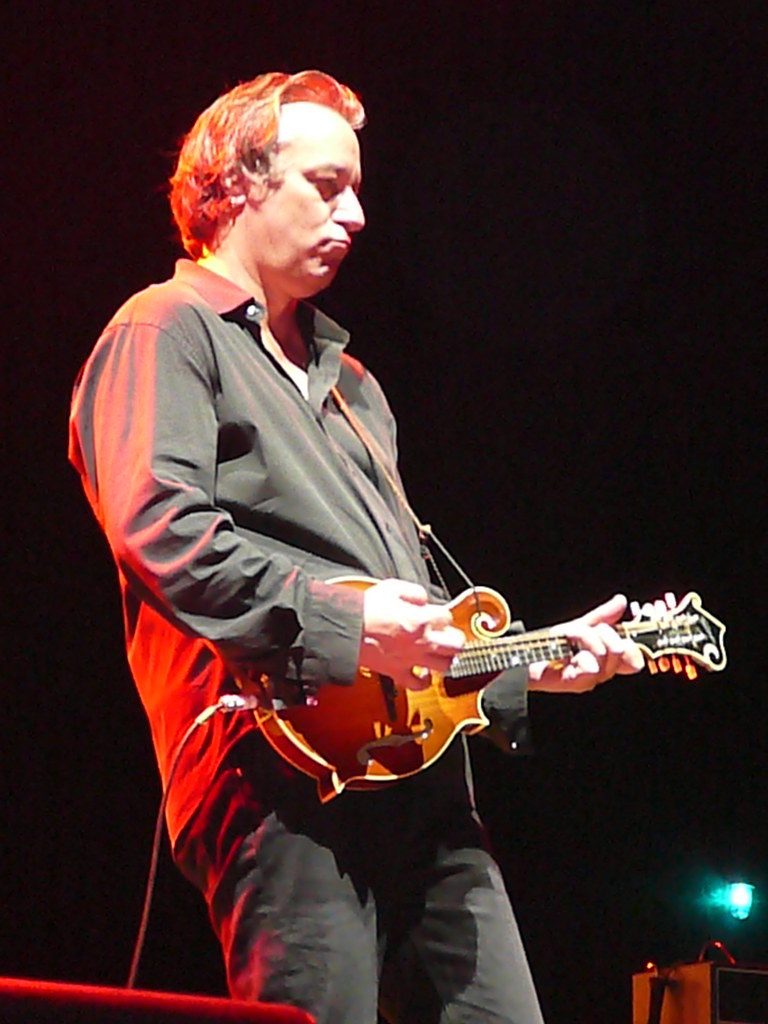
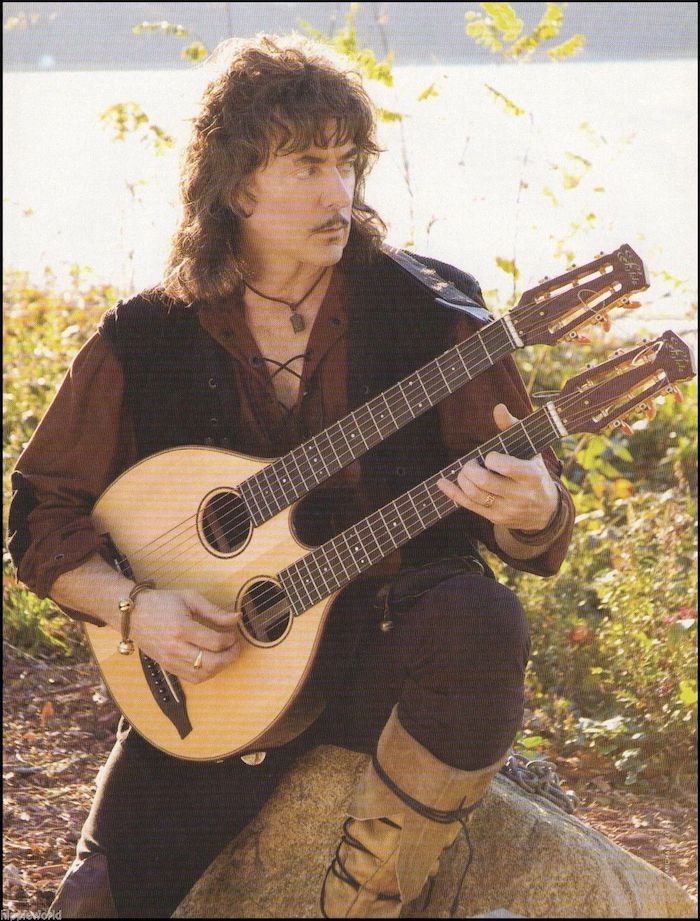
Ritchie Blackmore took a completely different path. After Deep Purple, his work with Blackmore's Night leaned into Renaissance and medieval folk influences, running the electric mandolin through effects in a context that had little precedent in rock. Levon Helm's mandolin contributions with The Band brought a distinctly American roots sensibility — where Page and Jackson were drawing from British and Celtic traditions, Helm was pulling from Appalachian and Southern gospel sources. Tommy Shaw's acoustic mandolin work, though less discussed than his lead guitar contributions, adds genuine dimension to the Styx catalog that most retrospectives undervalue.

Getting Started With Rock Mandolin Appreciation
Essential Listening for New Fans
For most people encountering this topic for the first time, our team recommends building a focused playlist rather than trying to absorb everything at once. Starting with "The Battle of Evermore," "Maggie May," and "Losing My Religion" covers three completely different approaches to the instrument within rock arrangements. From there, moving into Blackmore's Night recordings and The Band's catalog fills in the American roots dimension and the electric mandolin's possibilities. The Wikipedia entry on the mandolin is a useful reference for understanding the instrument's construction and tuning before diving deeper into the music.
Worth knowing: Most people who enjoy female mandolin players across folk and Americana will recognize several of the same techniques — tremolo picking, drone strings, modal chord voicings — appearing in rock contexts as well, which makes cross-listening a productive way to build a more complete picture.
Finding the Right Resources
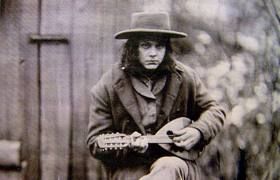
Beyond studio recordings, live footage is invaluable for understanding how these players actually held and attacked the instrument. Ian Anderson's mandolin work during Jethro Tull performances shows a highly physical playing style that informs how the notes are articulated. Jack White's live use of the instrument similarly reveals technique that studio recordings don't fully capture. Our team has consistently found that video documentation makes the difference between passive listening and genuine understanding of an instrument's physical demands.
Developing a Deeper Ear for Rock Mandolin
What to Listen For in the Mix
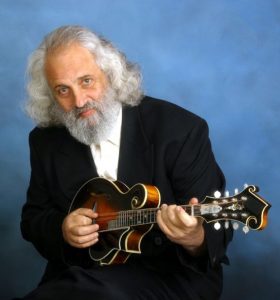
Developing a genuine ear for mandolin in rock requires paying attention to specific sonic qualities rather than simply noting its presence. The tremolo technique — rapidly alternating pick strokes on the same note — is one of the instrument's most distinctive sounds, and it appears across both David Grisman's jazz-influenced work and folk-inflected rock passages. Tremolo creates a synthetic sustain that the mandolin naturally lacks, which is why players reach for it whenever a melodic line needs to carry across a full band. Our coverage of jazz mandolin players offers useful contrast for understanding how the same technique translates differently across genres — the comparison sharpens the ear considerably.
Cross-Genre Connections Worth Tracing
One of the more rewarding aspects of following rock mandolin is tracing how players moved between genres without treating it as a contradiction. Ry Cooder's work crosses blues, rock, world music, and roots Americana in ways that make strict genre labeling feel inadequate. Rory Gallagher incorporated the mandolin into sets that were otherwise firmly in blues-rock territory, using it as textural contrast rather than a stylistic statement. Christopher Thron's work with Blind Melon brought it into 1990s alternative rock alongside layered electric guitars, showing the instrument could coexist with distortion-heavy arrangements just as naturally as acoustic ones. These aren't isolated experiments — they reflect a consistent pattern among musicians who treat the mandolin as a practical tool for solving sonic problems rather than a novelty piece.


Frequently Asked Questions
Who actually played mandolin on "Maggie May"?
The mandolin on Rod Stewart's "Maggie May" was played by Ray Jackson of Lindisfarne, not a member of Stewart's core band. Jackson's contribution went uncredited on the original release, and most people assumed for years it was played by someone in Stewart's regular lineup. It remains one of the most recognized mandolin passages in all of rock.
Did Jimmy Page play mandolin on Led Zeppelin recordings?
Yes — Jimmy Page played mandolin on "The Battle of Evermore" from Led Zeppelin IV, one of the band's most atmospheric and folk-influenced tracks. Page approached the instrument with the same modal sensibility he applied to acoustic guitar, using open tunings and drone strings to create the track's distinctive medieval character.
What is the difference between acoustic and electric mandolin in a rock context?
Acoustic mandolin produces a natural, resonant tone with fast decay, making it effective as a textural and rhythmic element in arrangements. Electric mandolin can be run through effects pedals and amplifier distortion, producing a much wider range of sounds — from clean shimmer to driven, almost guitar-like tones. Ritchie Blackmore's work with Blackmore's Night demonstrates the electric mandolin's range in a rock context more fully than almost any other player.
Is "Losing My Religion" by R.E.M. actually a mandolin intro?
Yes — Peter Buck's opening figure on "Losing My Religion" is played on mandolin, not guitar, which surprises most listeners when they learn it. The instrument's bright, percussive attack was perfect for the track's intimate, slightly melancholic tone. Buck reportedly took up the mandolin during the Out of Time sessions as a way of exploring new textures beyond the electric guitar.
Did Ritchie Blackmore play mandolin in Deep Purple?
Blackmore's extensive mandolin work came after Deep Purple, primarily through his project Blackmore's Night with vocalist Candice Night. In that context, he explored Renaissance and medieval folk music using both acoustic and electric mandolin, often running the electric version through effects in ways that bore little resemblance to conventional acoustic playing. His Deep Purple catalog contains almost no mandolin.
What makes the mandolin sound different from a guitar in rock recordings?
The mandolin's most identifiable characteristic in a mix is its attack-decay profile — notes snap on quickly and release almost immediately, unlike a guitar's more gradual sustain. The instrument also has a higher fundamental pitch than most guitars, and its doubled strings create a natural chorus-like quality even when played clean. These properties make it immediately recognizable once a listener knows what to listen for, though many people hear it for years without consciously identifying it as a separate instrument.
Next Steps
- Build a focused playlist of the three essential tracks — "The Battle of Evermore," "Maggie May," and "Losing My Religion" — and listen specifically for the mandolin's attack and decay rather than the overall arrangement.
- Watch live performance footage of Jimmy Page, Ian Anderson, and Jack White playing mandolin to understand the physical technique behind the recordings; studio mixes often obscure details that live video makes immediately clear.
- Cross-reference rock mandolin listening with Blackmore's Night recordings to hear what the electric mandolin sounds like when pushed through effects — it reframes assumptions about what the instrument can do.
- Explore our coverage of female mandolin players and jazz mandolin players to build comparative context — understanding how different genres deploy the same instrument sharpens the ear for rock applications considerably.
- Follow up on uncredited mandolin contributions in rock history — Ray Jackson's story on "Maggie May" is one of several cases where the actual player differs from common assumption, and tracking those corrections builds a more accurate picture of who the best rock mandolin players really are.


About Dave Fox
Dave Fox (also known as Young Coconut) is a musician, songwriter, and music historian who has been making and studying music across genres for over twenty years. His work spans experimental, jazz, krautrock, drum and bass, and no wave — a breadth of listening that informs his writing about musical history, gear, and the artists who push sound in unexpected directions. At YouTubeMusicSucks, he covers music history and genre guides, musician interviews, and music production resources for listeners and players who want more than the mainstream offers.
Check for FREE Gifts. Or latest free acoustic guitars from our shop.
Remove Ad block to reveal all the rewards. Once done, hit a button below