Dimebag Darrell’s Guitar Setup And Rig Rundown
by Jay Sandwich
What if the most copied guitar tone in heavy metal history was built on gear that most players have completely misunderstood? The answer lives inside the Dimebag Darrell guitar rig setup — a precision-assembled collection of guitars, amplifiers, and effect units that defined the sound of groove metal for a generation. Our team has spent considerable time dissecting every component of this legendary rig, and the findings consistently surprise even seasoned players. For anyone deep in music gear research, Dime's setup remains one of the most instructive case studies in tone-building that heavy music has ever produced.

Dimebag Darrell Abbott, the driving force behind Pantera and later Damageplan, built a tone that combined brutal aggression with remarkable clarity. That pinch harmonic squeal, the tight low-end chunk, the searing lead tone — none of it was accidental. Each element of the rig was deliberately chosen and refined across years of touring and recording. Our team's breakdown covers every major piece, from the guitars to the amp heads to the pedal chain sitting between them.
This isn't a surface-level gear list. Our research covers the mythology, the documented facts, the gear comparisons, and the practical application of Dime's approach. Anyone who wants to understand how a world-class heavy guitarist builds a rig from scratch will find this breakdown worth reading in full.
Contents
- The Truth Behind the Tone: Separating Myth from Reality
- The Core Weapons: Guitars, Amps, and Pedals in Dimebag's Rig
- Comparing Dimebag's Key Guitars: A Side-by-Side Breakdown
- How the Rig Shaped Iconic Pantera Recordings
- What Works and What Doesn't When Chasing the Dimebag Sound
- Practical Steps to Dial In a Dimebag-Inspired Tone
- Frequently Asked Questions
The Truth Behind the Tone: Separating Myth from Reality
The Gear Myths Most People Believe
One of the most persistent myths about Dimebag's tone is that it required exotic, unobtainable gear. The foundation of the Dimebag Darrell guitar rig setup was actually more accessible than legend suggests. The core centered on modified Washburn and Dean guitars, Randall solid-state amplifiers, and a relatively compact pedal chain — none of which demanded an extreme budget.
Another widespread misconception is that his tone came primarily from stacking heavy distortion pedals. Our team's analysis of live recordings and documented rig rundowns reveals that Dime leaned heavily on the gain channel of his amplifiers. Pedals served mostly for boost and specific coloring, not as the primary distortion source.
- The Randall RG100ES was his main amp during Pantera's peak years — a solid-state unit, not tube-driven
- Most of the distortion came from the amp's preamp section, not external pedals
- His legendary squeal was a combination of pickup output, amp gain, and picking technique — not pitch-shift effects
- The Dean ML body shape influenced sustain and resonance, but wasn't a magic standalone source
What Actually Drove the Sound
The real secret was system interaction. How the high-output pickups in his guitars fed into the aggressive preamp of the Randall created a specific harmonic character that no single component could replicate alone. Our team notices this same principle at work when studying other landmark guitar rigs — the sum of the parts always exceeds the individual components. A parallel deep-dive worth reading is our breakdown of the David Gilmour guitar setup and rig rundown, which shows how a completely different tonal philosophy still relies on the same system-level thinking.

Pro insight: When chasing Dime's tone, the amp's gain structure matters far more than any pedal — our team consistently recommends getting the right amplifier dialed in before adding anything else to the chain.
The Core Weapons: Guitars, Amps, and Pedals in Dimebag's Rig
Guitars: From Washburn to Dean
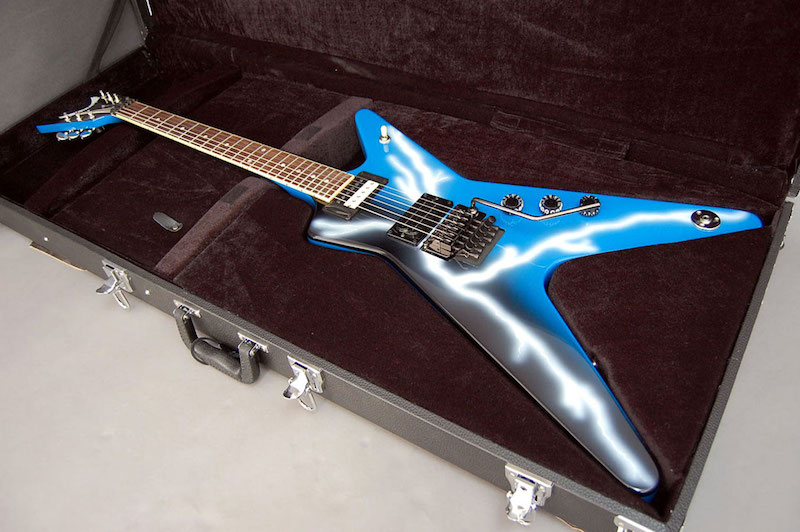
Dimebag's guitar history breaks into two clear eras. During the Cowboys from Hell through Vulgar Display of Power period, he played custom Washburn guitars — most notably his signature Washburn Dime models. These instruments featured Bill Lawrence L-500 XL pickups, which became synonymous with his attack and harmonic response.
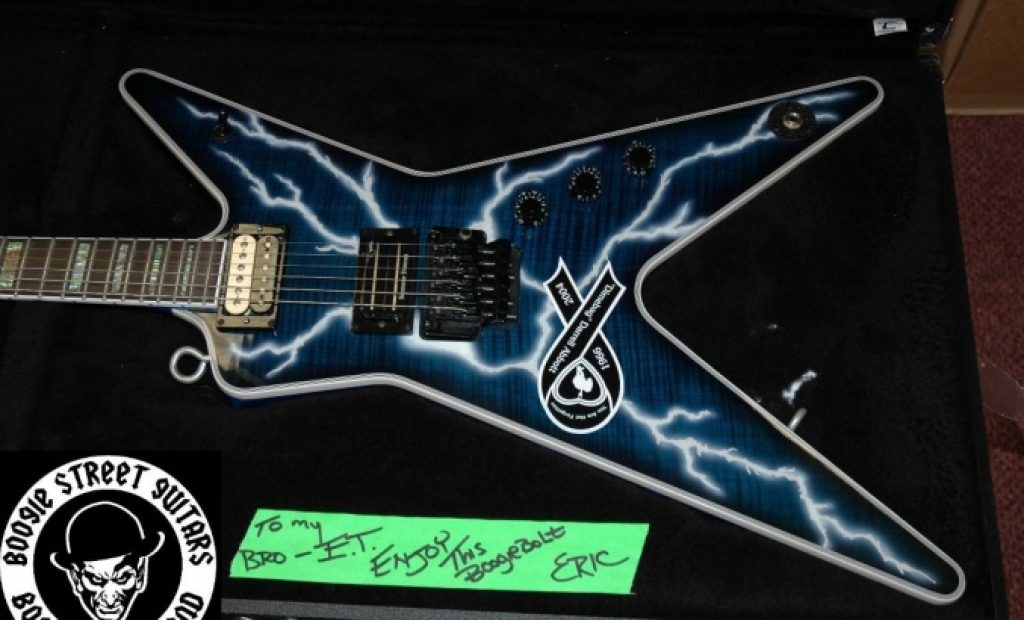
The transition to Dean came in the mid-to-late career phase. The Dean from Hell — a custom Dean ML that became one of the most iconic guitars in metal history — and the production Dean Dimebag ML models carried forward the same Bill Lawrence L-500 XL pickup philosophy. The body shape contributed to balance and resonance, but the pickups remained constant across both brands — a telling detail about where Dime's priorities actually sat.

- Washburn Dime series — Custom bolt-on construction, early career workhorse
- Dean ML / Dean from Hell — Set-neck construction, richer sustain profile
- Bill Lawrence L-500 XL — High-output humbucker, low inductance, articulate attack
- Strings — Dean Markley, typically .009–.046 gauge
Amplifiers: Randall and Krank
The Randall RG100ES was Dimebag's primary amp through most of Pantera's peak years. This solid-state head delivered a focused, aggressive mid-forward tone that cut through dense mixes more consistently than many tube alternatives. Later in his career he transitioned to the Krank Revolution — a tube-based head that added warmth without sacrificing the attack he needed on stage.
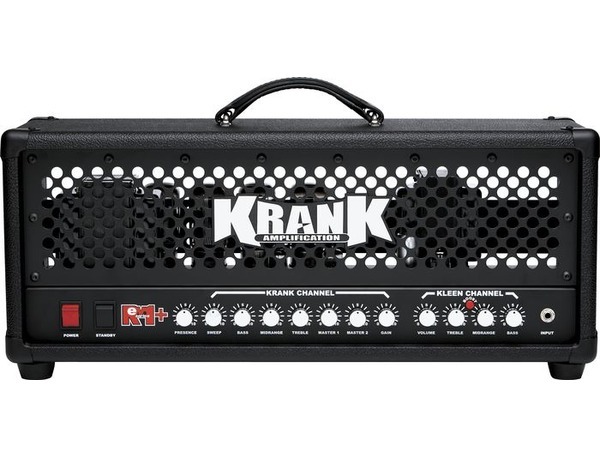
Most players instinctively reach for all-tube amps when chasing heavy tones. Our team's research shows that Dime's choice of a solid-state Randall was entirely deliberate — the tight, punchy response of a solid-state preamp contributed directly to the definition in his rhythm playing. Our analysis of the guide covering amps, pedals, and speakers for great guitar tone reinforces this point: speaker choice and amp type interact in ways that fundamentally shape the final sound.
Pedals and Effects
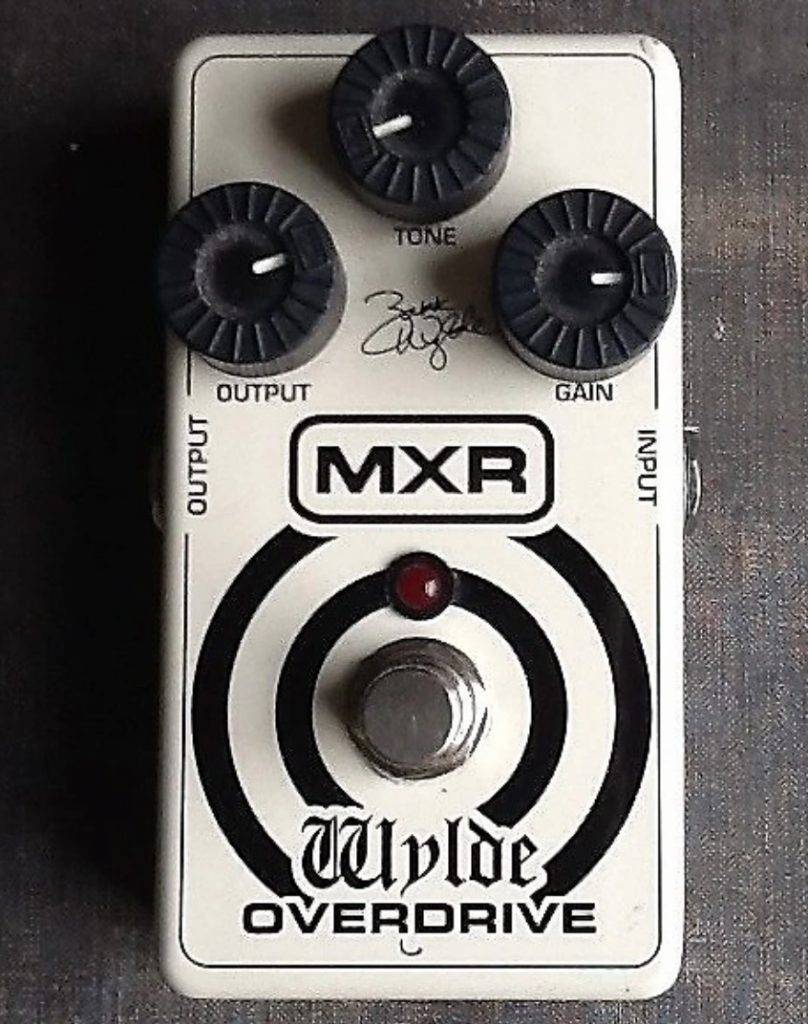
Dimebag's pedal chain was compact but highly effective. The MXR DD11 Dime Distortion — produced as a signature pedal in his honor — captured the boost-and-color role that pedals played in his setup. He also used the Dunlop Cry Baby 535Q wah, and incorporated the MXR Zakk Wylde signature overdrive as a boost into his amp's gain channel in later configurations.
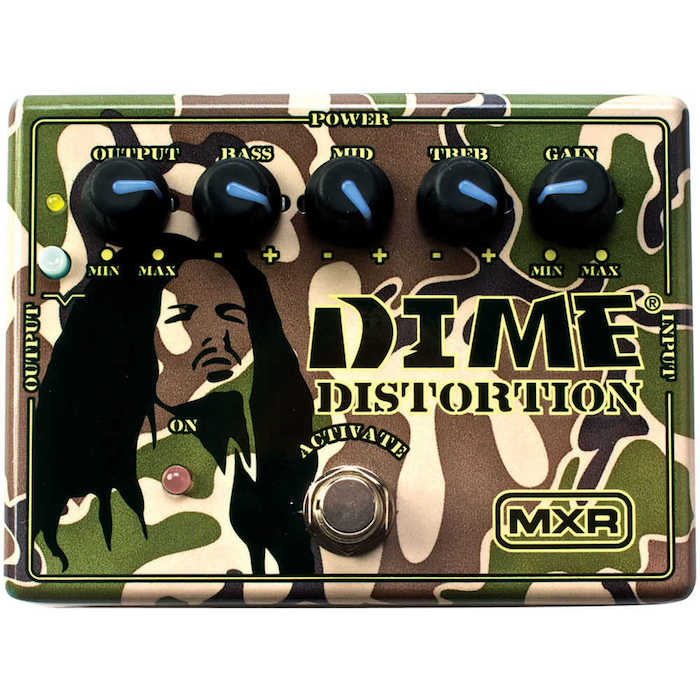
- MXR DD11 Dime Distortion — Signature pedal capturing his distortion and boost character
- Dunlop Cry Baby 535Q — Custom wah used extensively on solos and leads
- MXR Flanger — Occasional atmospheric coloring
- Furman power conditioner — Clean power supply to eliminate noise floor issues
Players new to building effect chains will find our beginner's guide to guitar pedals a valuable starting point before attempting to replicate a rig of this complexity.
Comparing Dimebag's Key Guitars: A Side-by-Side Breakdown
Dean ML vs. Washburn Dime
The Washburn and Dean models served different functional roles across Dime's career, and the differences between them are worth understanding clearly. Construction, tonewood, and sustain character all shifted between the two eras — while the pickup choice held constant.
| Feature | Washburn Dime Series | Dean ML / Dean from Hell |
|---|---|---|
| Neck Construction | Bolt-on | Set neck (Dean from Hell) |
| Body Wood | Basswood | Mahogany |
| Pickup | Bill Lawrence L-500 XL | Bill Lawrence L-500 XL |
| Sustain Character | Punchy, highly articulate | Fuller body, longer sustain |
| Career Era | Early to mid career | Mid to late career |
| Finish Styles | Various custom graphics | Lightning bolt, camouflage, custom |
Dean Razorback and the Jackson Years
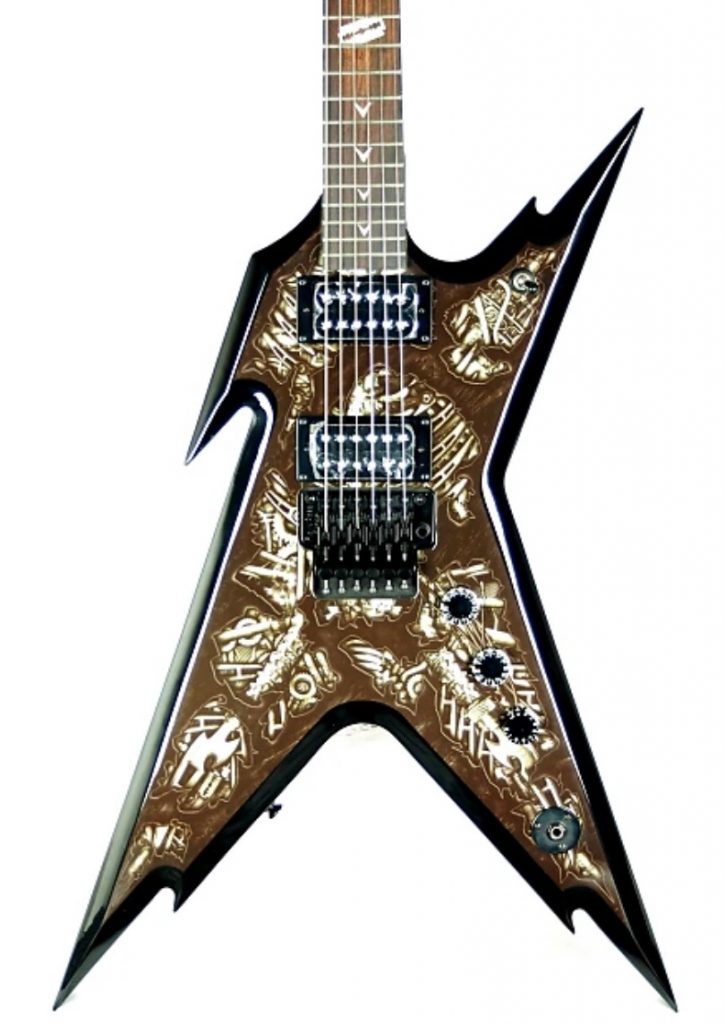
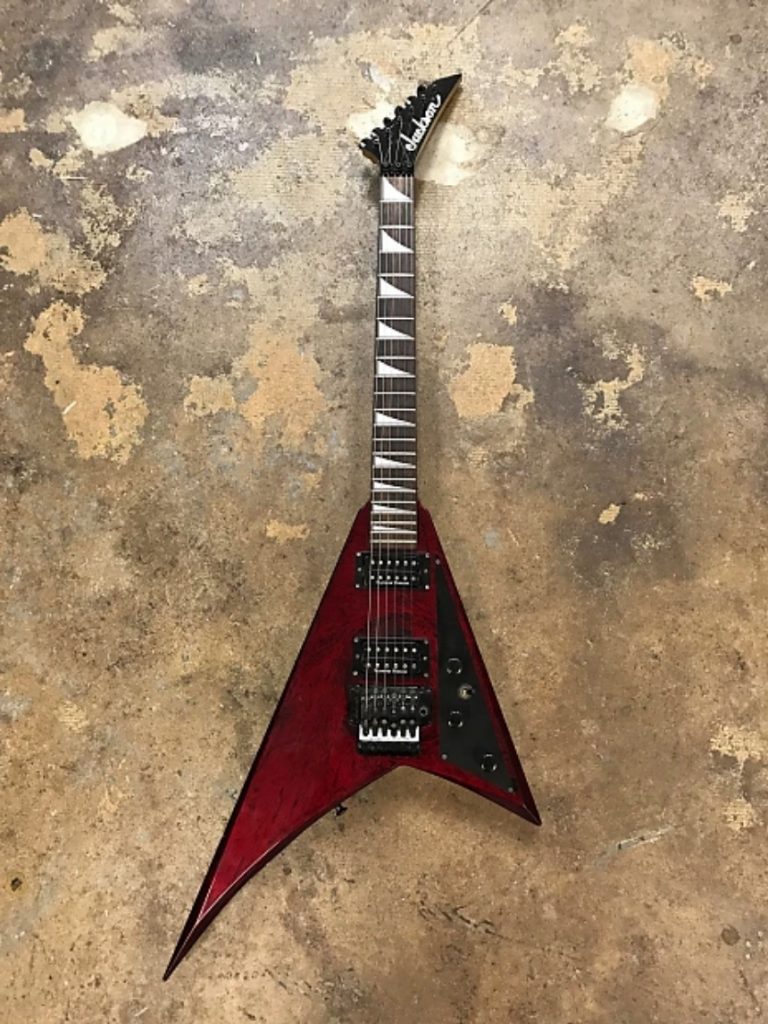
Before landing on the Washburn relationship, Dimebag played Jackson guitars — specifically Jackson Randy Rhoads-style bodies, which influenced his playing posture and visual identity. The angular body was an obvious aesthetic precursor to the Dean ML preference. The Dean Razorback, introduced later in his career, pushed the angular design further with its distinctive pointed horns and aggressive visual character.
Our team's comparisons of metal guitarists' equipment — including our breakdown of the Billy Gibbons guitar setup and rig rundown — consistently show that body shape influences playing feel and stage presence more than raw tone. Pickups and amp settings drive the actual sound character. The shape matters, but it's downstream of those two variables every time.
How the Rig Shaped Iconic Pantera Recordings
Cowboys from Hell Era
The Cowboys from Hell album marked Pantera's creative breakthrough, and the gear in use at that time was central to its character. Dimebag was primarily running the Washburn Dime through the Randall RG100ES, with relatively minimal effects. The result was a cutting, mid-forward tone with excellent string separation — critical for the groove-oriented riffing that defined the record.
Studio engineers from that era consistently noted that Dime's rig required very little EQ adjustment at the board. The amp-and-guitar combination arrived in the control room with a ready-to-record tone. That is the mark of a well-designed rig — one that doesn't rely on post-processing to achieve its character. Our team considers this the most instructive takeaway from the Cowboys era: build the tone at the source, not in post.
Vulgar Display of Power and Beyond
By Vulgar Display of Power, the rig had evolved with small but meaningful changes. Refined gain-stage settings and cabinet adjustments gave the rhythm tone even more definition on the low end. The harmonic pinch squeals that became Dime's signature on tracks like "Walk" and "Mouth for War" were achieved through a combination of high pickup output, amp saturation, and precise picking technique — not pitch-shift pedals or any other processing.
Warning: Replicating Dime's pinch harmonic squeal requires both the right gear and practiced technique — the correct picking angle and thumb pressure on the string are non-negotiable, and no pedal compensates for missing those fundamentals.
What Works and What Doesn't When Chasing the Dimebag Sound
Gear That Delivers Results
Our team has identified several high-percentage paths for players trying to approximate Dime's tone. The Bill Lawrence L-500 XL, or its closest equivalent the Seymour Duncan version, remains the most direct path to the pickup character. Pairing high-output pickups with an amp that carries a naturally aggressive preamp gain stage — whether solid-state or high-gain tube — gets most players eighty percent of the way there without exotic gear.
- Bill Lawrence L-500 XL pickups or the Seymour Duncan equivalent
- High-gain preamp with a solid-state-style tight low-end response
- Active EQ with a presence control — critical for Dime's top-end sizzle and harmonic clarity
- Dunlop Cry Baby 535Q for any wah work in solos
- Heavy picks — minimum 1.0mm — for maximum attack definition on rhythm parts
Our team also finds the Dave Navarro rig rundown an interesting contrast point. Where Navarro reaches for clarity and shimmer, Dime was after density and aggression. Comparing the two reveals how different tonal goals drive entirely different gear choices, even when both players operated in high-gain territory.
Where Most People Hit a Wall
The most common failure point is trying to achieve Dime's tone through distortion pedals alone running into a clean or low-gain amp. That approach produces a buzzy, undefined result that shares no real DNA with the original. The amp's preamp character is non-negotiable. Similarly, using low-output pickups into a high-gain amp produces a flabby, muddy result rather than the articulate tightness Dime achieved consistently.
- Low-output pickups into high-gain amps — produces mud instead of punch
- Excessive distortion pedal use without proper amp gain — fizzy and undefined tone
- Scooped mid-heavy EQ curves — kills the cut that makes Dime's rhythm parts intelligible in a mix
- Wrong speaker cabinet choice — Celestion Vintage 30s are a common substitution but were not Dime's preference
Practical Steps to Dial In a Dimebag-Inspired Tone
Starting Points for the Amp
Our recommended starting point for the amp EQ on a Randall-style or equivalent solid-state high-gain head: bass at 6, mids at 7, treble at 7, presence at 8. Dime famously ran higher presence settings than most players expect. That elevated presence setting contributes directly to the attack clarity and harmonic overtone quality that defines his lead tone. Do not scoop the mids — that is the single most damaging setting choice anyone can make when chasing this sound.
- Bass: 5–7 (tight, controlled — not boomy)
- Mids: 6–8 (keep them present — never scooped)
- Treble: 6–8
- Presence: 7–9 (higher than most players instinctively run)
- Gain: 7–8 on the amp's dedicated gain channel
Pedal Chain Tips
The pedal chain in the Dimebag Darrell guitar rig setup follows a clear signal flow: wah first, then boost or overdrive, then into the amp input. The boost or overdrive pedal — the MXR Zakk Wylde or a comparable unit — runs into the front of the amp's gain channel to tighten and focus the preamp saturation. It does not add fuzz on top of a clean signal. This is an important distinction that most people miss when building heavy rigs.
- Keep the wah first in the chain — before any gain stages
- Use a mild overdrive or boost (low gain, high output) into an already-distorting amp channel
- Place a noise gate after the distortion stage to tighten rhythm chugging
- Chorus and flanger go in the effects loop or post-preamp — never before the gain stage
Our team consistently recommends building any heavy rig from the guitar outward — start with the right pickups, then the right amp, then add pedals last. This reverses the approach most beginners take, and it produces better results every time.
Frequently Asked Questions
What guitars did Dimebag Darrell use throughout his career?
Dimebag used custom Washburn Dime series guitars during his early and mid career, then transitioned to Dean guitars — most famously the Dean ML and the one-of-a-kind Dean from Hell. The Dean Razorback was introduced in his later years. All of these guitars featured the Bill Lawrence L-500 XL pickup, which remained constant across every brand change.
What amplifiers did Dimebag Darrell use?
The Randall RG100ES solid-state head was his primary amplifier through Pantera's peak years. He later incorporated Krank Revolution heads, which are tube-based, into his live rig. The Randall's solid-state preamp response was a deliberate choice — it delivered a tight, punchy gain character that tube amps of that era did not replicate as precisely.
What pedals were in Dimebag's rig?
The core pedals in the Dimebag Darrell guitar rig setup included the MXR DD11 Dime Distortion (later made as a signature pedal), the Dunlop Cry Baby 535Q wah, and the MXR Zakk Wylde signature overdrive used as a boost. He also used an MXR Flanger on select tracks and ran a Furman power conditioner to keep the noise floor clean.
What pickups did Dimebag Darrell use?
Dimebag used the Bill Lawrence L-500 XL humbucker in both his Washburn and Dean guitars. This high-output, low-inductance design produces an articulate, aggressive attack that feeds high-gain preamps cleanly without turning muddy. Players chasing his tone frequently find that swapping to an L-500 XL or a Seymour Duncan equivalent produces the most immediate and noticeable improvement.
How did Dimebag achieve his pinch harmonic sound?
Dime's pinch harmonics resulted from a combination of high pickup output, heavily saturated amp gain, and specific picking technique — particularly the picking angle and the placement of the thumb immediately after the pick strikes the string. No dedicated effect pedal or pitch-shifter was involved. The technique requires practice alongside the correct gear to produce the full result.
Is a solid-state amp necessary to replicate Dimebag's tone?
Not strictly necessary, but the tight low-end response of a solid-state preamp is a defining characteristic of his classic sound from the Randall era. High-gain tube amps — particularly those with a firm, focused preamp section — can get close. The Krank Revolution, which Dime used in his later years, demonstrates that tube amps are viable. The key variable is the preamp gain structure and presence response, not the technology type alone.
The tone that defined a generation wasn't born from mystery gear — it was built by someone who understood exactly how every component in the chain talked to every other one.


About Jay Sandwich
Jay Sandwich is a guitarist and modular synthesizer enthusiast whose musical life has taken him from shredding electric guitar to deep-diving the world of modular synthesis and experimental sound design. He brings a player perspective to music gear coverage — practical, opinionated, and grounded in years of actual playing experience across different setups and styles. At YouTubeMusicSucks, he covers guitar gear, rig rundowns, and musician interviews with the candid perspective of someone who has spent serious time on both sides of the instrument.
Check for FREE Gifts. Or latest free acoustic guitars from our shop.
Remove Ad block to reveal all the rewards. Once done, hit a button below