Sarah Jane Music – Tainted Timeline Album Interview September 2026
by Jay Sandwich
What does it take to pour your entire creative soul into a record — and still come out the other side with something honest? If you've been following our musician interviews here at YouTubeMusicSucks, you already know the best answers come straight from the artists. The Sarah Jane Music Tainted Timeline interview is exactly that kind of conversation. Sarah Jane sat down to talk openly about the album, her creative process, her gear, and what she's learned — and what she shares is worth your full attention.
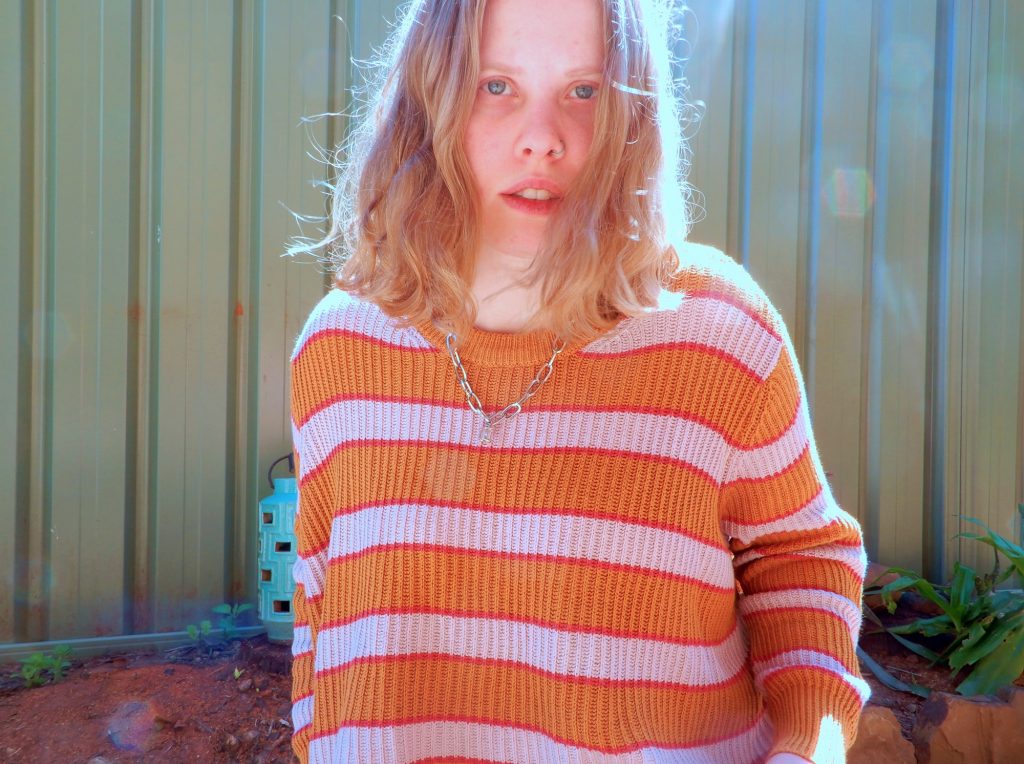
Sarah Jane Music has built a loyal audience by staying true to herself. She doesn't chase algorithms. She doesn't bend to what the industry wants. With Tainted Timeline, that philosophy comes through in every track. Whether you're a first-time listener, a working musician looking for real perspective, or just someone curious about how independent albums actually get made — this post covers all of it.
You'll get the full picture here: the story behind the album, the recording process, the honest costs involved, myths about indie artists debunked, what both beginners and veterans can learn, how she pushed through creative blocks, and the real pros and cons of doing everything yourself. Let's get into it.
Contents
- Sarah Jane Music Tainted Timeline Interview: The Story Behind the Album
- Inside the Recording Process
- Breaking Down the Budget of an Independent Album
- Myths About Independent Musicians, Debunked
- What New and Experienced Musicians Both Learn from This
- Navigating Creative Blocks and Production Challenges
- The Real Pros and Cons of Making Music on Your Own Terms
- Frequently Asked Questions
- Next Steps
Sarah Jane Music Tainted Timeline Interview: The Story Behind the Album
Who Is Sarah Jane Music?
Sarah Jane Music is a singer-songwriter, guitarist, and online music educator who has grown a dedicated following through consistent YouTube content and genuine engagement with her audience. She covers original material, tutorials, and gear discussions. She's the kind of artist who builds quietly and steadily — no label hype, no manufactured moments. Just the work.
What sets her apart in interviews is that she skips the polished PR answers entirely. She gives you the real version. That directness is exactly what makes the Sarah Jane Music Tainted Timeline interview stand out. For more of that spirit, check out our interview with New York drum legend Liberty DeVitto — another musician who tells it straight without softening the edges.
What Tainted Timeline Is About
Tainted Timeline is Sarah Jane's exploration of personal themes — time, memory, identity, and the way your past shapes who you are right now. The album title hints at something complicated. A "tainted timeline" suggests that looking back isn't always clean or simple. The music reflects that tension throughout, shifting between introspective and energetic moments without following a predictable formula.
According to Wikipedia's overview of independent music, artists who release without label support typically retain full creative control — which comes with both genuine freedom and serious personal responsibility. That's exactly the dynamic Sarah Jane describes throughout the interview. Every decision, from track order to artwork, was hers alone to make.
Inside the Recording Process
Her Gear Setup
Sarah Jane didn't record Tainted Timeline in a major studio. Most of it was tracked at home — which is far more common among working independent artists than most people assume. Her setup is practical rather than flashy: a combination of electric and acoustic guitar, a modest but effective pedal chain, and a solid audio interface feeding into a DAW (digital audio workstation, the software used to record and edit music). If you're building something similar and want help dialing in your distortion sound, our roundup of the best distortion pedals for metal covers a lot of the same ground in terms of finding your tone without overspending.
- Primary guitar: electric, with acoustic layering added for texture on key tracks
- Interface: USB audio interface running directly into her DAW
- Pedals: light overdrive, reverb, and delay — kept minimal so the performance breathes
- Monitoring: studio headphones plus a set of studio monitors for cross-referencing the mix
Pro insight: You don't need an expensive studio to record something worth releasing. A quiet room, a solid interface, and honest performances will take you further than most people expect.
Her Production Approach
Sarah Jane produced the bulk of Tainted Timeline herself — learning production largely on the fly through tutorials, experimentation, and trusting her ear over rigid technical rules. That self-taught approach mirrors what we explored in our look at Stephan Plank following in his father Conny Plank's super-producer footsteps — some of the most interesting production decisions come from people who didn't go to school for it.
She integrates arrangement choices directly into the tracking sessions rather than saving everything for a final mix pass. It keeps the process organic. The trade-off is that you can lose perspective fast when you're wearing every hat. She's open about it in the interview: taking extended breaks from a mix — sometimes days at a stretch — was essential to hearing it clearly again.
Breaking Down the Budget of an Independent Album
Typical Cost Breakdown
One of the most practical sections of the Sarah Jane Music Tainted Timeline interview is her honesty about money. Going independent doesn't mean free. Every cost comes directly out of your pocket — and those costs stack up quickly if you're not tracking them. Here's a realistic breakdown of what independent album production typically involves, alongside how Sarah Jane approached each category:
| Expense Category | Typical Budget Range | Sarah Jane's Approach |
|---|---|---|
| Recording / Interface Setup | $200 – $2,000 | Home setup using existing gear |
| DAW Software | $0 – $600 | Subscription-based DAW |
| Mastering | $50 – $500 per track | Mix of self-mastering and professional help |
| Album Artwork | $100 – $1,500 | Collaborated with a designer |
| Distribution | $20 – $60 per year | Digital distributor for streaming platforms |
| Promotion / PR | $0 – $2,000+ | Organic social media and YouTube content |
| Miscellaneous (cables, plugins) | $50 – $500 | Purchased as needed throughout the process |
Where the Money Actually Goes
The biggest variable in that table is promotion. Recording costs are manageable if you already own basic gear. Mastering can be outsourced at a range of price points. But getting people to actually hear the album — that's where most independent artists face the steepest climb. Sarah Jane leaned heavily on her existing YouTube audience and organic social engagement rather than paid campaigns. That works if you already have an audience behind you. Starting from zero changes the math considerably.
She's also clear that mastering was the one place she didn't cut corners. A well-mastered record holds up across streaming platforms, earbuds, car speakers, and whatever else someone plays it through. If your budget is tight, that's where she'd recommend putting the extra money.
Myths About Independent Musicians, Debunked
Myth: You Need a Label to Succeed
This comes up every time an artist talks about going independent — and every time, the reality is more layered than the myth. You don't need a label to release music, grow an audience, or make a living. What labels traditionally provided — distribution, promotion, upfront funding — is now accessible through other channels. Digital distributors handle the first. Social platforms handle the second. Merch, crowdfunding, and direct fan support handle the third, at least partially.
Our interview with Bill Welychka about his broadcasting career touches on how the music industry has shifted from a closed-gate model to a landscape of open platforms. The tools exist. What you need more than a label deal is consistency and a tolerance for slow, compounding growth.
Myth: Independent Means Lower Quality
This hasn't been accurate for years, but it still lingers. The assumption that indie releases sound rough or unfinished compared to major label output is simply outdated. Home studios now produce records that compete directly with professional studio work. The difference usually comes down to budget and time — not talent. Tainted Timeline is a clear example. It sounds like a finished, intentional record. You wouldn't know it was made primarily at home unless someone told you.
Worth knowing: Streaming platforms compress audio during playback, which means the gap between a home mix and a high-budget studio session is much smaller to the average listener than you might expect.
What New and Experienced Musicians Both Learn from This
For Beginners
If you're just starting out as a musician or music creator, the Sarah Jane Music Tainted Timeline interview gives you a realistic picture of what the road ahead actually looks like. A few things stand out for newer artists:
- Start recording now, even if your setup is basic — waiting for perfect gear is a delay tactic, not a strategy
- Learn production alongside your instrument; the two develop each other
- Build your audience before the album is finished, not after
- Don't underestimate how long mixing and mastering take — budget twice as long as you think
- Set a release date and hold yourself to it; deadlines are what turn projects into finished records
For broader context on how artists have navigated the music world across different eras, our interview with Ex-Mod Bryan Rogers about pre-Beatlemania British rock 'n' roll is a useful read. Understanding where musicians came from helps you appreciate what's genuinely available to you today.
For Seasoned Artists
If you've been at this a while, what Sarah Jane shares resonates on a different level. She talks directly about fighting the urge to over-produce — the pull toward adding more layers, more plugins, more of everything — when the raw performance was already the point. That's a trap experienced musicians know well. The lesson isn't new, but hearing it stated plainly is always useful: trust the take. Not every good performance needs to be buried under production decisions.

Navigating Creative Blocks and Production Challenges
Strategies Sarah Jane Uses
Every artist hits walls. Tainted Timeline took longer to complete than originally planned — partly because life intervened, partly because creative blocks refused to budge. Here's how Sarah Jane dealt with them, based on what she shared in the interview:
- Step away completely — not for an hour, but for days or even weeks when needed
- Return to a different instrument to shift your mental context entirely
- Record rough ideas without any intention of using them — just to keep momentum moving
- Listen to music well outside your usual genre to bring in fresh input
- Talk the project through out loud with someone you trust — not in your head
If your roadblock is gear-related rather than creative, our review of the best clean guitar amps might help you eliminate one variable from your signal chain. Sometimes the problem isn't creative at all — it's that your sound isn't where you need it to be, and fixing that unlocks everything else.
Knowing When to Step Back
Sarah Jane is direct about this: there's a real difference between a block you need to push through and one that's actually telling you something important. Sometimes a song isn't working because it was never supposed to be on the album. That's hard to accept after putting hours into something. But learning to recognize when a track isn't serving the record is a skill — not a failure. Two songs were cut from Tainted Timeline for exactly this reason. She doesn't regret either cut.
The Real Pros and Cons of Making Music on Your Own Terms
The Upsides
Going independent the way Sarah Jane did with Tainted Timeline comes with genuine advantages. Here's what's actually true — not marketing language:
- Full creative control — no one tells you to change lyrics, tempos, or cover art
- You keep a larger share of revenue from streams, downloads, and merchandise
- You set your own timeline with no label-imposed pressure or arbitrary deadlines
- You build direct relationships with listeners rather than routing everything through a label's PR machine
- You learn every part of the music business, and that knowledge compounds over time
This path is genuinely viable in a way it wasn't in earlier decades. Our piece on the rise of the MP3 and how internet audio files changed the music industry gives you the longer arc of how the landscape shifted — and why independent artists now have real options that simply didn't exist before.
The Downsides
But let's be honest about the other side of this. The genuine downsides of full independence are:
- Every decision lands on you — and that weight is real and exhausting
- No advance funding means you absorb all costs before a single dollar comes back
- Without label infrastructure, getting playlist placements or press coverage is significantly harder
- Wearing every hat — artist, marketer, manager, accountant — means the music itself can suffer
- Burnout is common, especially when early numbers don't match the effort you've put in
Sarah Jane doesn't sugarcoat any of this. She mentions in the interview that there were real moments where she questioned whether Tainted Timeline would ever get released. That honesty is part of what makes the Sarah Jane Music Tainted Timeline interview worth sharing with any musician who's considering this path before they commit to it.
Frequently Asked Questions
What is the Sarah Jane Music Tainted Timeline interview about?
The interview covers Sarah Jane's creative process behind the Tainted Timeline album, including how she recorded it independently, the gear and tools she used, the real costs involved, and the challenges she navigated from start to finish. It's a candid, practical look at what independent music-making actually involves day to day.
Is Tainted Timeline available on streaming platforms?
Yes. Tainted Timeline is available on major digital streaming platforms including Spotify, Apple Music, and YouTube. Sarah Jane released it independently through a standard digital distributor, with no label involvement at any stage of the process.
What gear does Sarah Jane Music use to record?
Sarah Jane primarily records using electric and acoustic guitars, a USB audio interface, and a DAW for tracking and production. Her pedal setup is intentionally minimal — she prefers letting the performance carry the weight rather than masking it under layers of effects processing.
How much does it cost to make an independent album like Tainted Timeline?
Costs vary widely depending on your existing gear and your goals. A realistic total for an independent album — covering recording setup, DAW software, mastering, artwork, and distribution — can run anywhere from a few hundred dollars to several thousand. Sarah Jane kept her costs manageable by working from home and handling much of the production herself.
What can beginners take away from this interview?
The most useful takeaways for newer musicians are practical: start recording now with whatever you have, learn production alongside your instrument, and set a firm release date before you feel ready. Sarah Jane is direct about one thing — waiting until your setup is perfect is a delay tactic, not a real strategy.
What was the biggest challenge Sarah Jane faced making Tainted Timeline?
Creative blocks and the pressure of making every decision alone were the two biggest ongoing challenges. She handled both by taking deliberate breaks from the project, switching to different instruments to reset her perspective, and being willing to cut tracks that weren't serving the album — even when it was difficult to let go of them.
Next Steps
- Watch the full Sarah Jane Music Tainted Timeline interview video embedded above — hearing her tell the story in her own words adds context that no write-up can fully capture.
- Browse more musician interviews on YouTubeMusicSucks to build a broader picture of how different artists approach their craft, their gear, and the business side of music.
- If you're working on your own music, pull up the budget breakdown table in this post and map your actual costs against each category — you'll quickly see where you're underprepared.
- Pick one creative block strategy from Sarah Jane's list and apply it the next time you stall in a recording session — just one, not all five at once.
- Share this post with a musician in your circle who's considering going independent — the pros and cons section is the part most people need to read before they commit to that path.


About Jay Sandwich
Jay Sandwich is a guitarist and modular synthesizer enthusiast whose musical life has taken him from shredding electric guitar to deep-diving the world of modular synthesis and experimental sound design. He brings a player perspective to music gear coverage — practical, opinionated, and grounded in years of actual playing experience across different setups and styles. At YouTubeMusicSucks, he covers guitar gear, rig rundowns, and musician interviews with the candid perspective of someone who has spent serious time on both sides of the instrument.
Check for FREE Gifts. Or latest free acoustic guitars from our shop.
Remove Ad block to reveal all the rewards. Once done, hit a button below