Bang Bang Bar Band Talks Twin Peaks – An Interview with Au Revoir Simone’s Heather D’Angelo
by Jay Sandwich
The Au Revoir Simone Twin Peaks interview with Heather D'Angelo is one of the most candid conversations our team has conducted about music, atmosphere, and what it genuinely feels like to perform inside David Lynch's creative universe. The Brooklyn-based synth-pop trio — Heather D'Angelo, Erika Spring, and Annie Hart — appeared in multiple Bang Bang Bar sequences throughout Twin Peaks: The Return, and their Roadhouse performances rank among the most cinematically effective uses of live music in recent television history. For anyone who follows our interviews archive, this story sits at a rare intersection of art, television, and live performance that earns a closer examination.
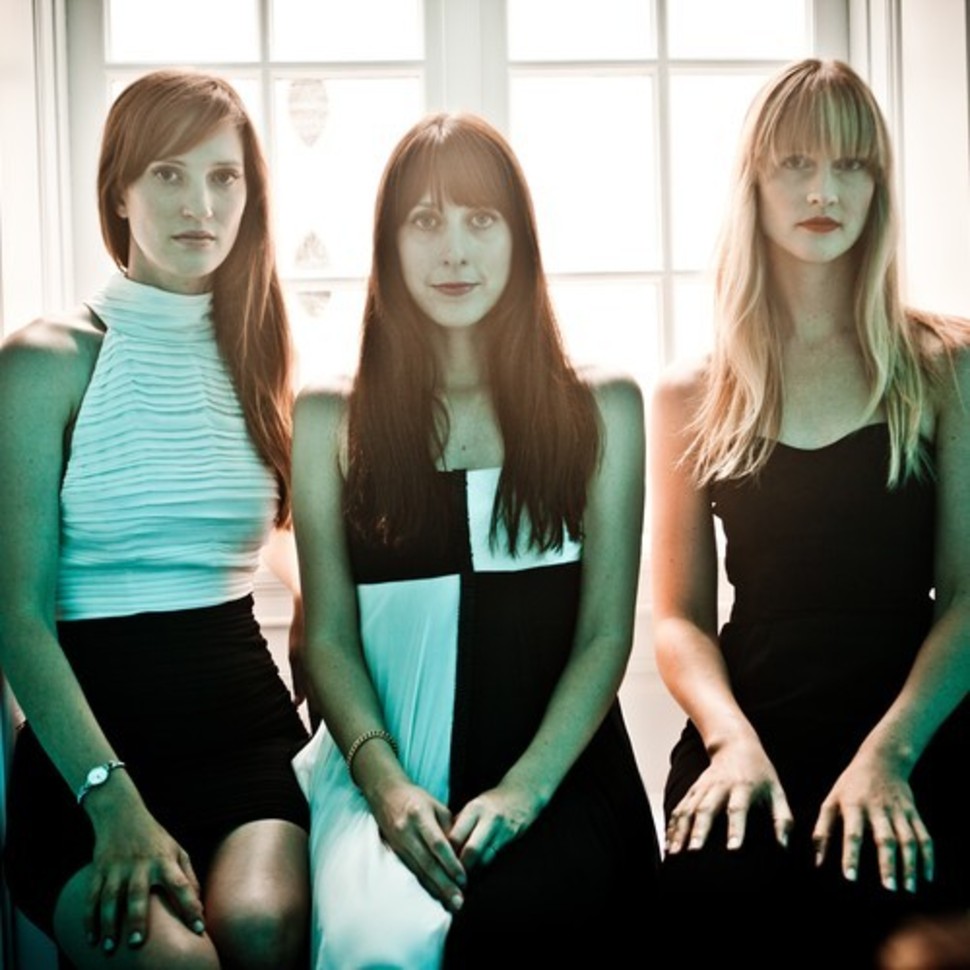
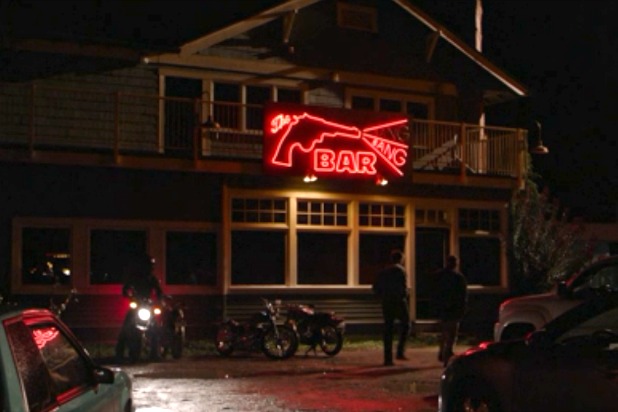
Lynch used the Bang Bang Bar — known in the show as the Roadhouse — as a genuine performance stage for real acts, weaving their music into the season's emotional architecture rather than treating them as conventional cameos. Au Revoir Simone joined Chromatics, Nine Inch Nails, and Julee Cruise on that roster through a process Heather described as organic and almost surprising in its simplicity. Our conversation covered the band's history with Lynch, the unusual dynamics of performing for a camera rather than a crowd, and what working musicians can genuinely take from the experience.
Contents
- How Au Revoir Simone Ended Up Inside Twin Peaks: The Return
- The Au Revoir Simone Twin Peaks Interview: Key Revelations from Heather D'Angelo
- When the Bang Bang Bar Approach Works — And When It Doesn't
- Strengths and Challenges of Performing for David Lynch
- Clearing Up Misconceptions About Au Revoir Simone's Twin Peaks Role
- Lessons Musicians Can Draw from the Twin Peaks Performance Model
How Au Revoir Simone Ended Up Inside Twin Peaks: The Return
The David Lynch Connection
Au Revoir Simone had been on Lynch's radar well before Twin Peaks: The Return entered production, and our team learned from Heather that the relationship grew from genuine aesthetic appreciation rather than a formal audition. Music supervisor Dean Hurley played a central role in curating the Bang Bang Bar lineup, identifying acts whose existing sound fit naturally within the emotional world Lynch was constructing. Au Revoir Simone's layered synthesizer textures — built from Casio keyboards, drum machines, and three interlocking vocal harmonies — aligned directly with Lynch's preference for atmosphere over genre convention.
Casting the Bang Bang Bar Band
Lynch and Hurley sought acts capable of delivering emotionally coherent performances on camera without conventional television staging, and that criterion alone eliminated most commercially polished candidates. Au Revoir Simone's ability to generate enveloping sound from a minimal setup — three synthesizers, three voices, no drummer — made them an ideal fit for the Roadhouse's intimate, concentrated aesthetic. Heather described the invitation as something that felt entirely natural given how long the band had operated in the same emotional and sonic territory that Lynch inhabits across his work.
The Au Revoir Simone Twin Peaks Interview: Key Revelations from Heather D'Angelo
What Heather Revealed About the Creative Process
One detail stood above all others in our assessment of the interview: the band received almost no directorial guidance before or during filming. Lynch's preference was for authentic performance over choreographed staging, which meant Au Revoir Simone simply played their songs as they would at any live show, trusting the camera to find the moments that carried emotional weight. That hands-off approach produced some of the most cinematically powerful music sequences in the entire season, and Heather made clear that the creative freedom came with significant responsibility — the band had to summon genuine emotional investment without any crowd response or real-time feedback to draw from.
The most compelling on-screen performances come from musicians who treat the camera as irrelevant — Lynch deliberately engineered conditions that made exactly that kind of authentic commitment possible.
The Atmosphere on Set
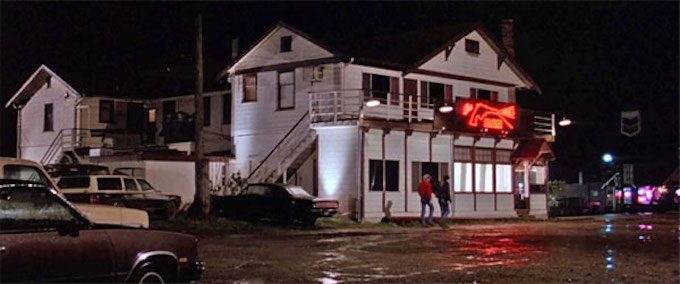
The Bang Bang Bar production set was closer to a working bar than most television productions would attempt, and our team found Heather's description of the physical space particularly illuminating. Real lighting rigs, a proper stage, and an ambient crowd of extras and cast members created genuine venue atmosphere rather than the antiseptic quality typical of a soundstage. This environmental authenticity fed directly into the performances, allowing the band to access a psychological state that pure studio recording rarely achieves and that Lynch clearly understood was essential to the sequences he was building.
When the Bang Bang Bar Approach Works — And When It Doesn't
Where Live Music Performance Elevates Television
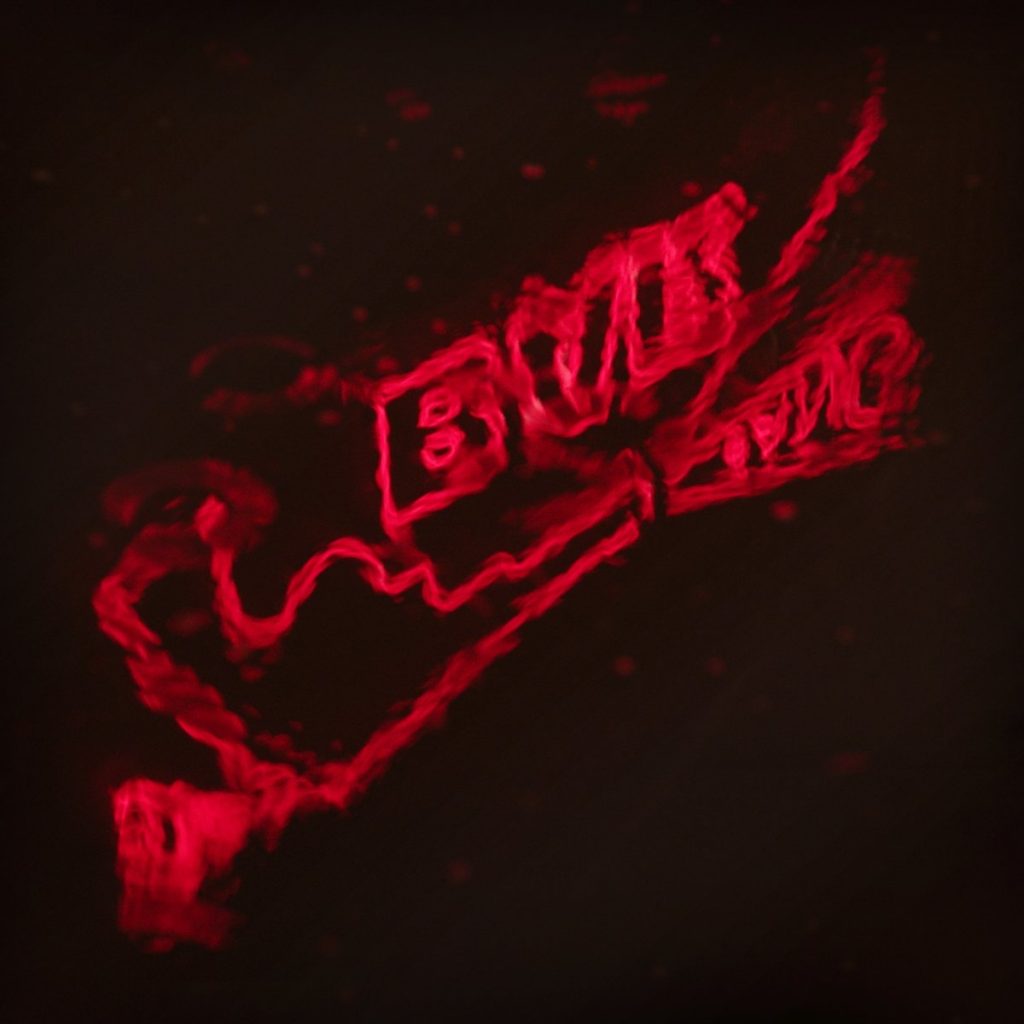
The Bang Bang Bar model succeeds most powerfully when a musical performance carries emotional weight that dialogue simply cannot deliver. Lynch used the Roadhouse consistently as a chapter closer — a space where accumulated narrative tension releases through sound rather than through plot resolution or exposition. Au Revoir Simone's performances exemplified this function perfectly, with their melancholic synth textures providing emotional punctuation at precisely the moments where the season's themes were most concentrated. The approach works best with acts whose sound already operates atmospherically, where music itself creates meaning independent of conventional song structure or lyrical content.
Where the Approach Has Limits
The Bang Bang Bar format demands fully realized, self-contained material — there is no structural room for arrangements that depend on audience energy or improvisation. Acts that rely heavily on crowd interaction and reciprocal performance dynamics, including the kind our team analyzed in our deep dive on in-ear monitoring and stage performance, face a genuine structural challenge here because the feedback loop that normally shapes a live set simply does not exist. High-energy genres — metal, punk, high-tempo pop — also tend to look diminished in the Roadhouse context, where the camera rewards restraint and emotional interiority over explosive outward energy.
Strengths and Challenges of Performing for David Lynch
| Aspect | Strength | Challenge |
|---|---|---|
| Creative Direction | Minimal interference; authentic performance encouraged | No directorial anchor for staging decisions |
| Performance Environment | Realistic set design generated genuine venue atmosphere | No live audience energy to draw from during takes |
| Musical Identity | Band's existing sound required no artistic compromise | Risk of being defined primarily by the TV association |
| Emotional Commitment | Lynch's process rewards genuine emotional investment | Sustained intensity across multiple takes without crowd feedback |
| Legacy and Exposure | Association with a landmark moment in television history | Television role can overshadow the full independent catalog |
What Made This Collaboration Genuinely Work
Lynch's direction created conditions where musicians could perform without self-consciousness about camera placement or the technical mechanics of television production. Heather described a filming environment that felt closer to a rehearsal space than a conventional set, and our team believes that deliberate informality is the core reason these sequences carry such authentic weight on screen. The absence of conventional TV direction produced results that conventional TV direction never could have achieved — the musicians were freed to inhabit the music rather than manage their presentation of it, and the camera caught something real as a result.
The Demands of Lynch's Aesthetic Vision
Working within Lynch's world carries its own distinct pressures. The emotional register that defines Twin Peaks — suspended between dream logic and suburban realism, perpetually edging between dread and tenderness — means performers must commit fully without a conventional narrative anchor to orient their choices. Heather acknowledged in our conversation that the experience required a specific kind of artistic trust that extends beyond technical musicianship into something more emotionally exposed, and not every performer would find that environment comfortable or creatively productive.
Clearing Up Misconceptions About Au Revoir Simone's Twin Peaks Role
The Band's Musical Identity Beyond the Show
A persistent misconception treats Au Revoir Simone primarily as a Twin Peaks novelty, and our team finds this framing both understandable and fundamentally inaccurate. The band released four studio albums and built a significant independent following across more than a decade before Lynch came calling — their catalog, particularly Verses of Comfort, Assurance and Salvation and Move in Spectrums, demonstrates a consistent artistic vision that predates and extends well beyond any television placement. Their synthesizer-driven approach to dream-pop is a complete, self-sustaining musical identity, not a byproduct of a cameo.
What the Performance Was Not
The Bang Bang Bar sequences were not promotional placements, brand partnerships, or transactional sync licensing. The distinction matters because it explains why these performances feel qualitatively different from typical TV music moments — they were made by musicians present because the work demanded exactly what they do, rather than because a licensing fee made sense in a quarterly budget. The Au Revoir Simone Twin Peaks interview confirmed what the performances themselves suggest: genuine creative alignment drove every decision, from the invitation to the final filmed take.
Lessons Musicians Can Draw from the Twin Peaks Performance Model
Translating Atmosphere to a Performance Context
The central lesson from the Au Revoir Simone experience is that atmospheric music requires atmospheric staging, and that principle extends well beyond Twin Peaks. Bands working in ambient, dream-pop, or synth-adjacent genres — territory our team explored in depth through our coverage of synthwave's sonic characteristics and history — benefit most when the visual and physical context reinforces rather than contradicts the sonic experience they are creating. Lynch understood this architecturally: the Roadhouse set was designed to make atmospheric music feel inevitable rather than incidental, and that is a production philosophy with direct applications for any musician thinking seriously about how performance environment shapes audience reception.
Gear and Setup Considerations
Au Revoir Simone's minimalist setup — three synthesizers, no live drums — was both a long-standing aesthetic choice and a practically effective one for the Roadhouse context. The visual simplicity of their stage presence reinforced the emotional directness of the music, creating a performance aesthetic where restraint functioned as a statement rather than a limitation. Our team notes that this philosophy aligns with a broader principle experienced musicians tend to internalize over time: the gear serves the song, and the song serves the moment. Adding equipment, layers, or visual complexity would not have made these performances more powerful — it would have diluted the focused emotional impact that makes them remarkable.
Frequently Asked Questions
Who is Heather D'Angelo?
Heather D'Angelo is one of three members of Au Revoir Simone, the Brooklyn-based synth-pop trio also comprising Erika Spring and Annie Hart. The band is known for keyboard-driven compositions, layered vocal harmonies, and a minimalist aesthetic that has made them influential in the dream-pop and indie electronic space across more than a decade of independent work.
What is the Bang Bang Bar in Twin Peaks?
The Bang Bang Bar, also called the Roadhouse, is a fictional music venue central to the Twin Peaks universe. In Twin Peaks: The Return, David Lynch used it as a real performance stage, integrating acts like Au Revoir Simone, Chromatics, Nine Inch Nails, and Julee Cruise directly into the show's narrative structure and emotional architecture.
How did Au Revoir Simone get involved with Twin Peaks: The Return?
Their involvement came through Lynch and music supervisor Dean Hurley, who had long appreciated the band's atmospheric sound. The invitation grew from genuine creative alignment rather than a formal casting process — Lynch sought acts whose existing music fit naturally within the emotional world he was building for the revival season.
Did David Lynch direct the Bang Bang Bar performances himself?
According to Heather D'Angelo, Lynch offered minimal directorial guidance during filming. His preference was for the band to perform naturally, as they would at any live show, rather than conforming to television staging conventions. That deliberate hands-off approach is central to the authentic weight the sequences carry on screen.
What instruments does Au Revoir Simone use?
Au Revoir Simone perform on synthesizers — primarily Casio keyboards and other vintage electronic instruments — with no live drummer. Each of the three members plays keys and sings, building a layered sound from a visually minimal setup that proved particularly effective within the intimate Roadhouse performance context.
What albums has Au Revoir Simone released?
The band has released four studio albums: Verses of Comfort, Assurance and Salvation; Bird of Music; Still Night, Still Light; and Move in Spectrums. Their catalog represents a fully developed artistic identity that predates their Twin Peaks appearances by years and extends well beyond any single television placement.
What role did Angelo Badalamenti play in the Twin Peaks musical universe?
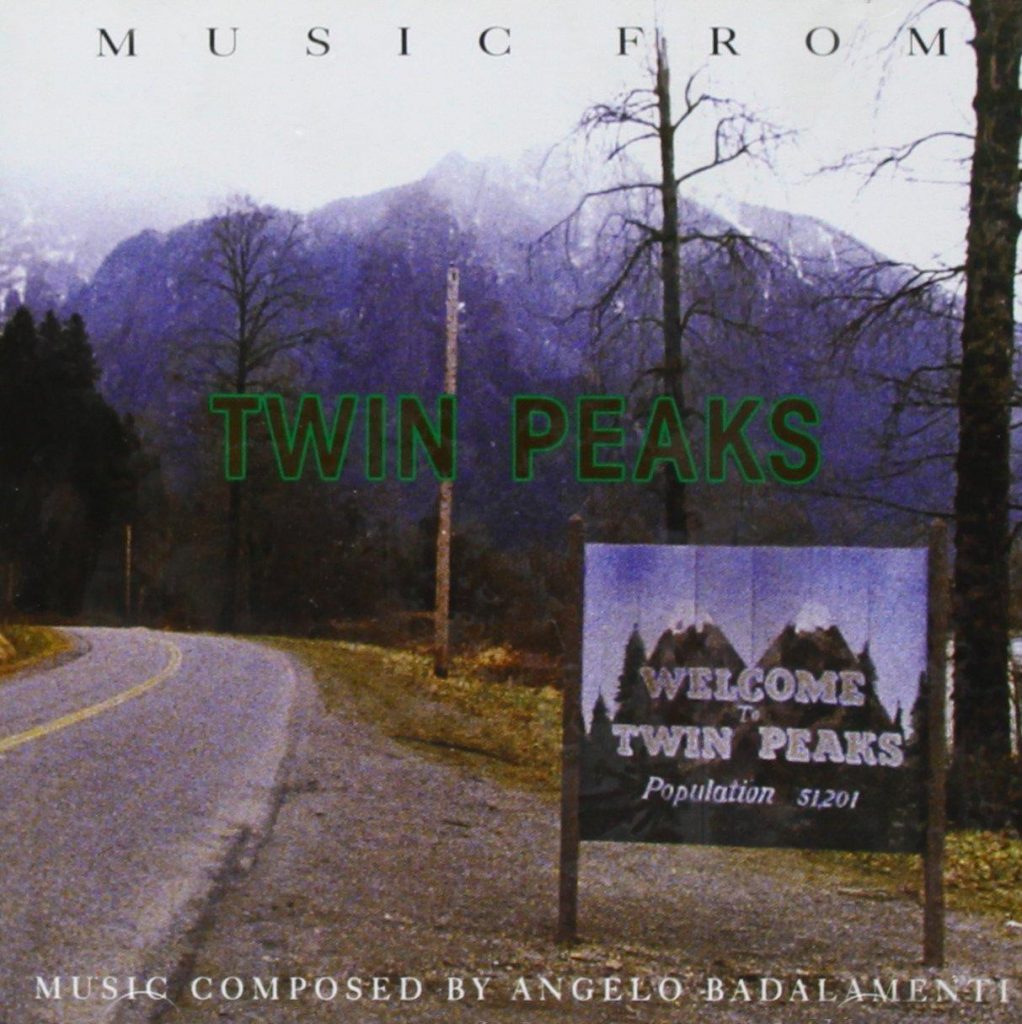
Angelo Badalamenti composed the original Twin Peaks score in collaboration with David Lynch, creating the show's defining sonic identity — including the iconic Laura Palmer theme. His work established the atmospheric and emotional template that all subsequent Twin Peaks music, including the Bang Bang Bar performances, either operates within or responds to directly.
What can working musicians learn from Au Revoir Simone's Twin Peaks experience?
The core lesson is that atmospheric music requires atmospheric staging, and genuine emotional commitment produces results that staged performance cannot replicate. Minimalist setups often communicate more powerfully than technically complex rigs in intimate performance contexts, and creative collaborations driven by aesthetic alignment rather than commercial calculation consistently yield stronger, more lasting work.
Final Thoughts
The Au Revoir Simone Twin Peaks interview with Heather D'Angelo offers something rare in music journalism: a direct account of what happens when a band's sound and a director's vision achieve genuine alignment, with no commercial compromise distorting the result. Our team encourages anyone drawn to atmospheric performance, music for visual media, or the mechanics of meaningful artistic collaboration to explore the full interviews archive — there is consistent value in hearing directly from musicians about the specific moments where everything came together exactly right, and those conversations inform how most serious musicians approach their own work in lasting ways.


About Jay Sandwich
Jay Sandwich is a guitarist and modular synthesizer enthusiast whose musical life has taken him from shredding electric guitar to deep-diving the world of modular synthesis and experimental sound design. He brings a player perspective to music gear coverage — practical, opinionated, and grounded in years of actual playing experience across different setups and styles. At YouTubeMusicSucks, he covers guitar gear, rig rundowns, and musician interviews with the candid perspective of someone who has spent serious time on both sides of the instrument.
Check for FREE Gifts. Or latest free acoustic guitars from our shop.
Remove Ad block to reveal all the rewards. Once done, hit a button below