What Are Chiptunes?
by Jay Sandwich
Ever wondered what a Game Boy cartridge and a concert stage share in their fundamental DNA? What are chiptunes is one of the most frequently asked questions on our music articles page, and the answer reveals a genre born from the programmable sound chips inside vintage computers, game consoles, and arcade hardware. Understanding chiptunes means tracing a creative lineage that runs from the late 1970s through today's festival stages, touching composition theory, hardware engineering, and underground music culture along the way.
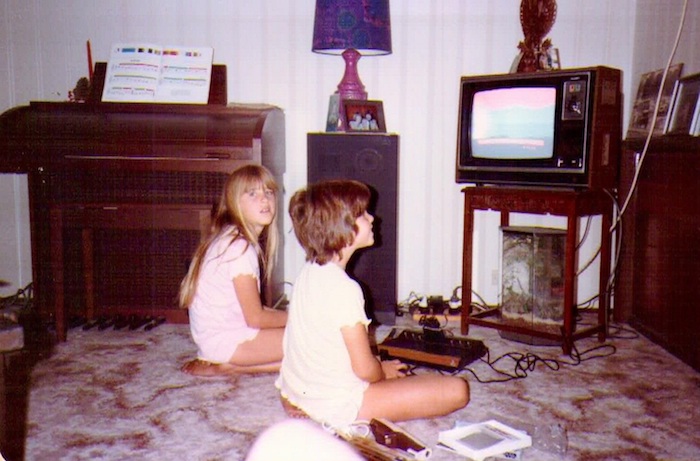
Chiptune music emerged not from recording studios but from the hardware engineers who designed sound chips for gaming and computing, never anticipating that composers would transform strict silicon constraints into an enduring artistic vocabulary. The genre sits at a productive crossroads between computer science, music theory, and counterculture, drawing from influences as varied as classical counterpoint, punk attitude, and electropop sensibility. Our team finds that listeners who dismiss chiptunes as mere gaming nostalgia consistently revise that opinion after hearing the work of the genre's most sophisticated practitioners.
The creative principle at the heart of chiptune music — that severe limitation accelerates rather than stunts artistic development — resonates with musicians far outside the retro gaming world. Composers who study chiptune technique consistently report improvements in melodic writing, rhythmic precision, and understanding of timbre as a compositional parameter that deserves as much attention as harmony or form.
Contents
What Are Chiptunes: The Sound and Science Behind the Genre
Chiptunes carry a sonic fingerprint that most listeners identify within two seconds of exposure, even without knowing the genre by name. The characteristic sound comes from a small and fixed set of waveform types — square waves, triangle waves, pulse waves, and noise channels — generated in real time by dedicated silicon chips rather than from recorded audio samples stored in memory. These waveforms are the foundational building blocks of every chiptune composition ever created, and their restricted palette compels composers to prioritize melody, rhythm, and counterpoint over layered texture and timbral richness.
The Waveforms That Define the Genre
- Square waves produce the buzzy, harmonically dense tones that most listeners associate immediately with classic video game music and early home computer audio output
- Triangle waves deliver smoother, bassier tones with fewer upper harmonics, making them the natural choice for bass lines and sustained melodic leads requiring warmth
- Pulse width modulation creates the signature "wobble" effect where a wave's duty cycle shifts continuously, producing a lively animated quality that static waveforms cannot achieve
- Noise channels handle all percussive elements — drums, cymbal emulation, and texture effects — by routing pseudo-random number generation through configurable amplitude envelopes
The human ear processes these waveforms through a cultural context filter that decades of gaming and computing history have built, and our team finds that even listeners with no gaming background respond with genuine emotional engagement to well-constructed chiptune compositions. The quantized, grid-locked timing that hardware sequencers enforce creates rhythmic grooves with a mechanical tightness that purely organic performance simply cannot replicate, and that tightness is a feature rather than a limitation.
Why Limitation Produces Memorable Music
When composers work within hardware providing just three melodic channels and one noise channel, every single note carries compositional weight that would dissipate in a fuller sonic environment with richer resources available. This scarcity principle explains why chiptune melodies lodge themselves in memory with extraordinary persistence and survive repeated listening without losing their emotional grip over time. Our experience reviewing the early European demoscene — the underground computer hobbyist movement that incubated much of chiptune's compositional sophistication — confirms that the best practitioners approached chip constraints the way classical composers approached counterpoint rules: as a discipline concentrating creative energy rather than blocking it.
The Hardware That Powers Every Chiptune Sound
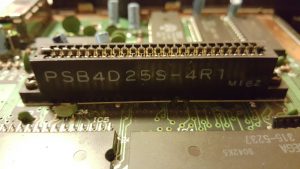
The hardware history of chiptunes spans the late 1970s through the mid-1990s, with a cast of silicon designs that each contributed distinct sonic personalities to the genre's development and left fingerprints audible in music made today. Understanding the chips is foundational for any serious chiptune producer, because each chip's quirks, limitations, and capabilities directly shaped the compositional decisions of every composer who worked within those constraints. The table below summarizes the most historically significant sound chips and the hardware platforms they defined.
| Chip | Platform | Channels | Key Feature |
|---|---|---|---|
| AY-3-8910 | ZX Spectrum, MSX | 3 tone + noise | Affordable, widely licensed design |
| SN76489 | Sega Master System, TI-99 | 3 square + noise | Clean square waves, simple architecture |
| MOS SID 6581/8580 | Commodore 64 | 3 oscillators + filter | Analog filter, ring modulation, full ADSR |
| Ricoh 2A03 | Nintendo NES/Famicom | 2 pulse + tri + noise + DPCM | Sample playback channel for drums |
| LR35902 | Nintendo Game Boy | 2 pulse + wave + noise | Programmable wavetable channel |
| YM2612 | Sega Mega Drive/Genesis | 6 FM operators | FM synthesis for complex timbres |
Classic Sound Chips and Their Personalities
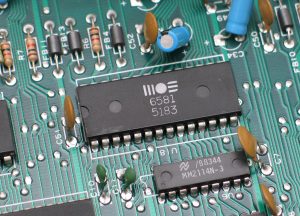
The Texas Instruments SN76489 programmable sound generator offered a straightforward architecture that prioritized reliability over expressiveness, making it accessible for game developers but limiting for composers seeking dynamic range across a full arrangement. The Commodore 64's MOS Technology SID chip represented a genuine technological leap — three independent oscillators with ring modulation, programmable filter cutoff and resonance, and full ADSR envelope control gave composers tools rivaling analog synthesizers costing many times more at the time. Legends like Rob Hubbard and Matt Gray pushed the SID to its absolute boundaries, writing compositions that continue to astonish professional musicians encountering them for the first time decades later.
Modern Hardware That Keeps the Tradition Alive
Contemporary chiptune production hardware includes dedicated devices like the Nanoloop cartridge for Game Boy, the LSDJ (Little Sound DJ) software tracker, FPGA recreations of classic chips, and commercial products like the Teenage Engineering Pocket Operators that bring chip aesthetics into a modern performance form factor. The Arduinoboy interface allows original Game Boy hardware to sync with modern MIDI equipment, bridging authentic vintage aesthetics with contemporary studio workflows that most producers already understand. Our team consistently recommends that producers seeking genuine chip character invest in actual hardware rather than software emulation alone, because the analog imperfections of real silicon — subtle pitch drift, filter nonlinearity, supply voltage variation — contribute a warmth that digital models approximate but rarely fully match.
How to Start Making Chiptune Music from Scratch
Getting into chiptune production is more accessible today than at any point in the genre's history, with a range of free and low-cost tools serving musicians at every skill level and technical background imaginable. Our team's recommended path prioritizes learning the tracker workflow before investing in hardware, because the conceptual model of tracker-based composition underlies virtually all chiptune creation regardless of platform or era. Producers coming from DAW backgrounds benefit enormously from studying the difference between music sequencers and trackers before touching any chip-specific software, since the mental model differs fundamentally from anything piano roll editing teaches.
Starting with Software Trackers
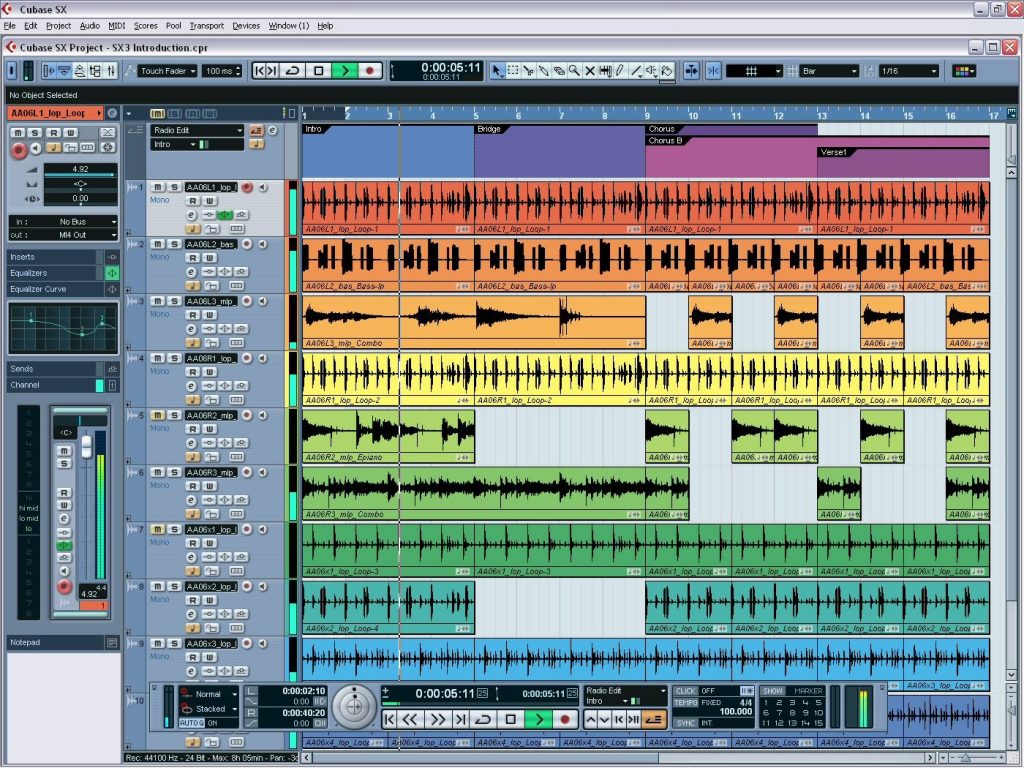
FamiTracker is the most accessible entry point for producers new to chiptune, offering a free Windows application that emulates the NES sound chip with genuine accuracy and includes a large community of tutorials, pattern templates, and archived compositions to study. OpenMPT handles a broader range of chip formats and runs well on modest hardware, making it the practical choice for producers wanting to explore multiple chip architectures before committing resources to a single platform. Our recommended starting workflow breaks down into clear sequential steps that any producer with basic music theory knowledge can follow without prior tracker experience:
- Download FamiTracker and spend the first session studying the channel layout — two pulse channels, one triangle, one noise, and one DPCM sample channel, each with its own column
- Enter a simple four-bar melody on a single pulse channel using the QWERTY keyboard layout, keeping the pattern free of effects or volume automation initially
- Add a complementary bass line on the triangle channel within the same pattern, keeping rhythmic placement locked tightly to the tracker grid
- Build a minimal drum pattern on the noise channel using short decay envelopes for kick and snare approximations that sit cleanly in the mix
- Combine the patterns into a song order list, then export to WAV format for a first critical listen outside the tracker environment itself
- Introduce pitch slide and arpeggio effect commands in the effect column only after the melodic and rhythmic foundation feels genuinely solid and complete
Moving to Hardware Workflows
Once the tracker paradigm feels genuinely intuitive, moving to actual hardware opens timbral possibilities that software cannot fully recreate and introduces the performance discipline that defines the live chiptune scene at its highest level. The Game Boy running LSDJ is the most portable and stage-ready option available, with a sound palette immediately recognizable from decades of documented live chiptune performances worldwide. Producers wanting the SID chip's expressive filter capabilities can source original Commodore 64 hardware, invest in an Elektron SidStation, or build a SID synthesizer from available schematics using new-old-stock chips sourced carefully from reputable suppliers. Our team finds that hardware-based production imposes a compositional efficiency that consistently strengthens arrangements, because every byte of pattern data carries a real computational cost that encourages rigorous editing.
Where Chiptunes Show Up in Modern Music and Culture
Chiptunes moved beyond pure retro nostalgia when a generation of electronic producers began incorporating chip sounds into mainstream genres with genuine artistic ambition rather than ironic detachment or simple period reference. Artists like Aphex Twin incorporated algorithmic and hardware-generated timbres into electronic work in ways that drew clear aesthetic lines from the demoscene tradition into experimental music recognized far outside gaming circles. Today, chiptune influence surfaces across a remarkable range of cultural contexts — indie game soundtracks, commercial advertising, experimental club music, and film scoring all draw from the chip palette with increasing confidence and sophistication.
Games, Film, and Commercial Applications
The most prominent contemporary use of chiptune aesthetics is indie game development, where retro sound design communicates creative authenticity and independent spirit in ways that polished orchestral scoring cannot achieve at a comparable budget or production timeline. Soundtracks for titles like Undertale and Shovel Knight demonstrated that chip-influenced composition builds genuine emotional depth alongside nostalgic recognition, earning serious critical attention from audiences with no personal history with the original hardware generation. The advertising industry discovered that chiptune textures convey technological competence and youthful energy simultaneously, making chip-influenced scores effective in campaigns targeting digitally literate demographics across a wide range of product categories.
Chiptune in the Live Music Scene
The live chiptune scene operates through dedicated events like Blip Festival alongside a constant undercurrent of club shows and DIY venue performances across North America, Europe, and Japan, where the scene has particularly deep community roots stretching back decades. Chiptune artists carry Game Boys, modified Commodore 64 machines, and custom hardware rigs onto stages that more traditional musicians might find bewildering, but the music's rhythmic precision and melodic density translates powerfully through any capable PA system at any venue size. While bands like The Smiths were defining British guitar rock in the same decade that chiptune was forming its compositional vocabulary, the two scenes developed in almost complete cultural isolation before converging in contemporary acts drawing fluently from both traditions. Producers deciding whether to release chiptune material as a full album or a shorter format will find our guide on album versus EP decisions covers the creative and practical factors worth weighing carefully before committing to a release structure.
Navigating the Common Roadblocks in Chiptune Production
Every producer entering the chiptune world encounters a predictable set of obstacles, and our team's experience across multiple platform communities suggests that most of these roadblocks resolve quickly once the underlying conceptual barriers are correctly identified and addressed. The tracker interface intimidates producers accustomed to piano roll editing, hardware sourcing puzzles newcomers unfamiliar with vintage electronics markets, and the community's technical vocabulary creates a barrier that feels steeper than the actual learning curve genuinely warrants once the terminology becomes familiar.
Overcoming the Tracker Learning Curve
The vertical, hexadecimal-based interface of classic trackers presents note entry and effect commands in a format that looks nothing like conventional notation or any DAW's piano roll, and this visual unfamiliarity is the primary reason producers abandon the workflow before grasping its underlying logic. Our recommendation is to approach tracker note entry as a programming task rather than traditional musical input — the hexadecimal system becomes genuinely intuitive faster than most producers expect once the mental model makes that necessary conceptual shift. Effect commands like pitch slides, vibrato, and arpeggio appear as two-digit hex codes alongside note values in each channel column, and keeping a reference sheet visible on a secondary monitor cuts learning time significantly across the first weeks of consistent daily practice.
Finding and Maintaining Vintage Hardware
- SID chip sourcing: the 6581 variant commands premium prices and attracts counterfeits, so purchasing from sellers with verified return policies protects against degraded or misrepresented chips that will underperform immediately
- Game Boy cartridge maintenance requires periodic battery replacement for anyone using LSDJ in live performance, since a dead battery erases all saved pattern data without any advance warning
- Commodore 64 motherboards sourced from long-term storage typically need capacitor replacement before reliable operation, as aging electrolytic capacitors are the most common failure point in machines sitting unused for extended periods
- FPGA solutions like the MiSTer platform offer a practical alternative for producers wanting chip accuracy without the ongoing maintenance overhead that genuine vintage hardware demands
The chiptune community maintains extensive documentation on hardware restoration, and resources like the CSDB (C64 Scene Database) alongside dedicated Discord servers provide expert guidance that any newcomer can access without prior technical electronics experience. Our team considers community knowledge the single most underutilized resource available to producers entering chiptune from a conventional music production background, and engaging with it early shortens the learning curve considerably.
Frequently Asked Questions
What are chiptunes, and how do they differ from other electronic music?
Chiptunes are music composed specifically for the programmable sound generator chips found in vintage computers, game consoles, and arcade hardware, relying entirely on real-time waveform synthesis rather than recorded audio samples. Unlike most electronic music genres, chiptune's defining characteristic is its tight coupling to specific hardware architecture, meaning each chip's limitations directly shape the compositional possibilities available to any composer working within that system.
What software do most people use to start making chiptune music today?
FamiTracker is the most widely recommended starting point for producers working with NES-style sounds, offering a free download and an extensive community of tutorials, pattern archives, and active forums for troubleshooting. For Game Boy sounds, LSDJ running on actual hardware or the BGB emulator covers the most common entry scenarios, while OpenMPT provides access to multiple chip formats within a single cross-platform interface.
Is chiptune music still creatively relevant outside retro gaming contexts?
Chiptune remains actively relevant across indie game development, experimental electronic music, commercial advertising, film scoring, and live performance circuits spanning multiple continents with growing audiences. The compositional discipline that chip hardware enforces produces melodic and rhythmic writing techniques that transfer directly into contemporary production work, making chiptune study genuinely valuable for producers working in any genre that prizes tight arrangement and memorable, persistent melody.
Final Thoughts
Chiptune music rewards every musician who engages with it seriously, whether the goal is creating original tracks, deepening an understanding of electronic music history, or sharpening compositional instincts that apply across every genre in modern production. Our team recommends that any producer genuinely curious about what are chiptunes at a practical level spend a focused weekend with FamiTracker and the excellent free community documentation available — the experience consistently reframes how composers think about melodic density, rhythmic precision, and the productive creative power that constraint, handled with skill and commitment, reliably generates.


About Jay Sandwich
Jay Sandwich is a guitarist and modular synthesizer enthusiast whose musical life has taken him from shredding electric guitar to deep-diving the world of modular synthesis and experimental sound design. He brings a player perspective to music gear coverage — practical, opinionated, and grounded in years of actual playing experience across different setups and styles. At YouTubeMusicSucks, he covers guitar gear, rig rundowns, and musician interviews with the candid perspective of someone who has spent serious time on both sides of the instrument.
Check for FREE Gifts. Or latest free acoustic guitars from our shop.
Remove Ad block to reveal all the rewards. Once done, hit a button below