A Brief History of Heavy Metal Music
by Dave Fox
Our team was deep in a gear teardown session when we first mapped out the complete Synyster Gates guitar rig component by component. The sheer scope of it — signature guitars, a custom amp, a sprawling effects chain — immediately explained why his tone is so unmistakable. Syn Gates, lead guitarist of Avenged Sevenfold, has spent years building a setup that traces its DNA directly to the founding fathers of heavy metal. We've covered dozens of setups in our rig rundowns section, and this one consistently generates the most discussion.

Heavy metal guitar has a traceable history stretching back to the late 1960s, and understanding that arc is essential to appreciating what Gates built. From Tony Iommi's detuned riffs to Eddie Van Halen's tapping revolution to John Petrucci's prog-metal precision, each generation raised the technical and tonal bar. Gates arrived at a moment when digital processing, high-gain amplification, and precision guitar manufacturing converged — and he exploited every advantage available.
In this breakdown, our team covers the full historical arc of heavy metal guitar, the complete anatomy of the Synyster Gates guitar rig, honest cost estimates, persistent misconceptions, and what players at every level can realistically build toward.
Contents
How Heavy Metal Guitar Rigs Evolved Through the Decades
The Pioneers Who Built the Foundation
Heavy metal guitar didn't arrive fully formed. It grew from a specific, traceable chain of innovations across decades. Heavy metal music emerged from the blues-rock experiments of the late 1960s, gradually hardening into something far more aggressive and technically demanding. Every major advancement in tone and technique pushed guitarists to develop more specialized rigs.
The key milestones our team identifies:
- Tony Iommi (Black Sabbath) — Established the low, detuned, high-gain template. Lost fingertips forced him to tune down and use lighter strings, accidentally creating the blueprint every metal guitarist inherited.
- Ritchie Blackmore (Deep Purple) — Brought classical phrasing and compositional ambition to hard rock, adding melodic sophistication to the aggression.
- Eddie Van Halen — Introduced two-handed tapping and the "brown sound," proving that lead guitar could be athletic, joyful, and technically staggering simultaneously.
- James Hetfield and Kirk Hammett (Metallica) — Unified rhythmic precision with extreme speed, turning heavy metal into a global phenomenon through the 1980s.
- Dimebag Darrell (Pantera) — Fused groove-metal aggression with pinch harmonics and extreme picking precision, influencing virtually every metal guitarist who followed.
Each of these players developed rigs purpose-built around their sonic goals. Amps, guitars, and effects weren't generic tools — they were deliberate choices that shaped the music itself. This context explains why the Synyster Gates guitar rig is as purposeful as it is.
Where Synyster Gates Fits in the Timeline
Gates emerged in the early 2000s at a genuine crossroads in metal history. Avenged Sevenfold occupied a space where metalcore and melodic death metal were expanding the genre's emotional range without sacrificing technical demands. His influences are unusually broad for a metal guitarist:
- Classical music — Gates trained formally at Musicians Institute in Hollywood
- Thrash metal — Metallica and Slayer shaped his rhythmic aggression and picking mechanics
- Progressive metal — John Petrucci's compositional precision left a clear mark on his phrasing
- Hard rock — Van Halen and Guns N' Roses informed his melodic sensibility and showmanship
This synthesis produced a playing style — and a corresponding Synyster Gates guitar rig — that sits at the intersection of melodic shred, rhythmic precision, and cinematic atmosphere. He didn't reinvent heavy metal guitar. He synthesized its best elements into a modern, cohesive format. For a deeper look at how amp selection shapes metal tone across this entire lineage, our team recommends the guide on best amplifiers for heavy metal.
What Makes the Synyster Gates Guitar Rig Work — And Where It Falls Short
The Strengths of This Rig
The Synyster Gates guitar rig earns its reputation through intelligent layering. Every component has a defined role in the overall sound architecture:
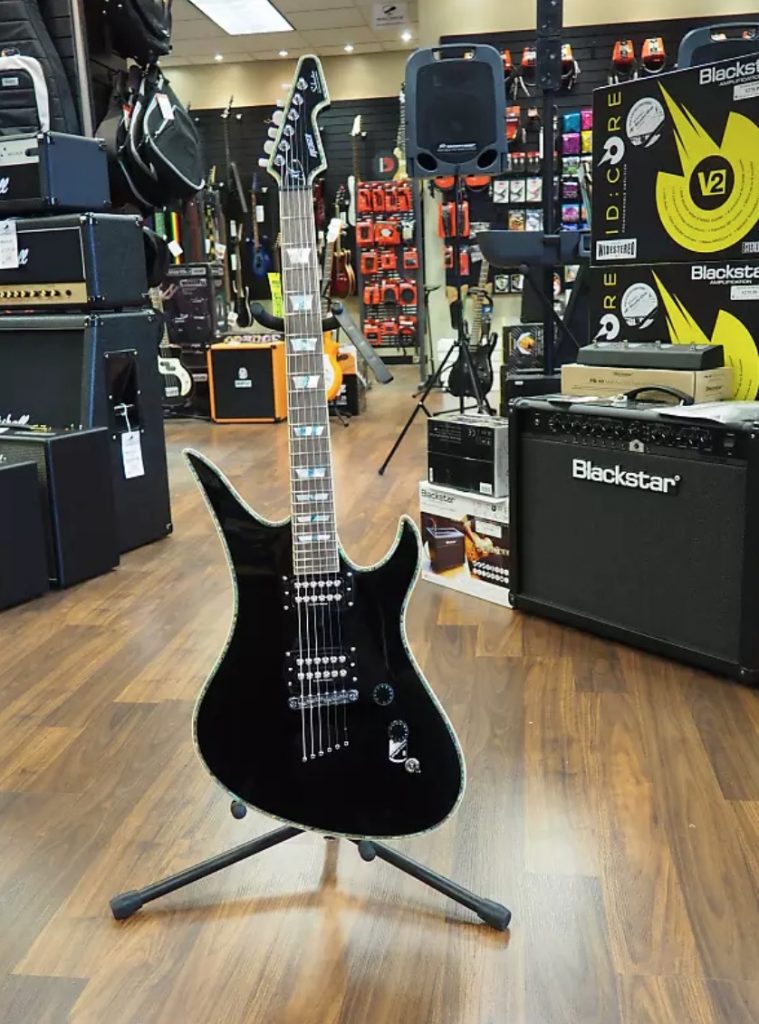
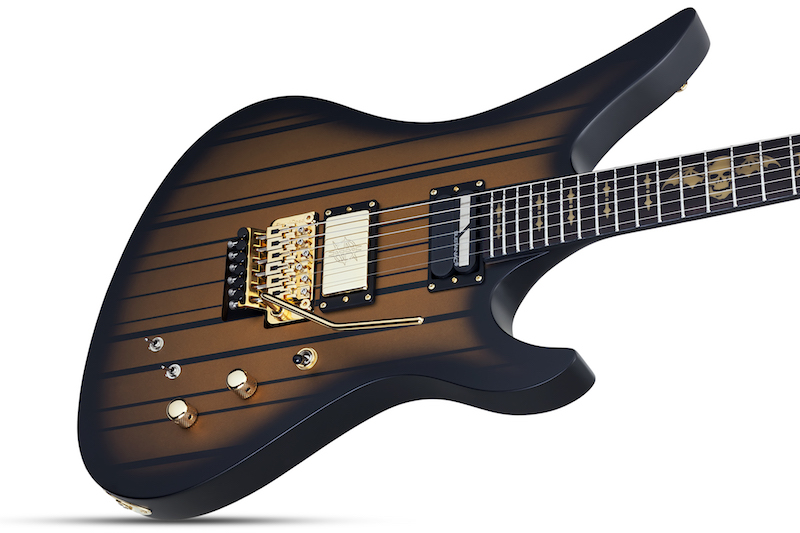
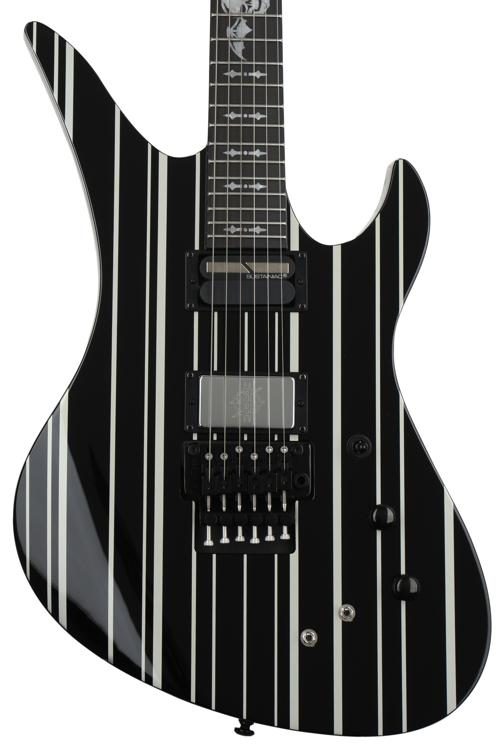
- Schecter Synyster Gates Custom guitars — Built with mahogany/maple construction for warmth and sustain, Floyd Rose Original tremolos, and DiMarzio Synyster Gates signature pickups voiced for high-output clarity without fizz
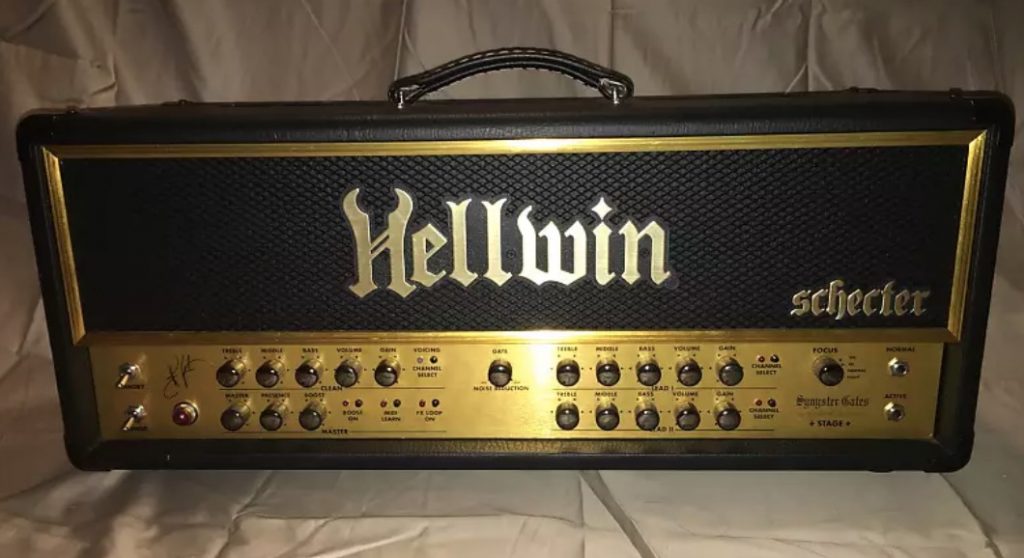
- Schecter Hellwin 100W amplifier — Gates' signature amp delivering tight, articulate high-gain tones without the low-end mud common in lesser metal amplifiers
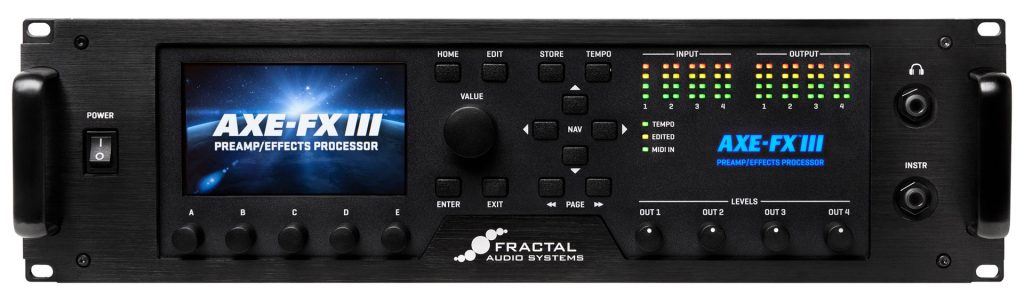
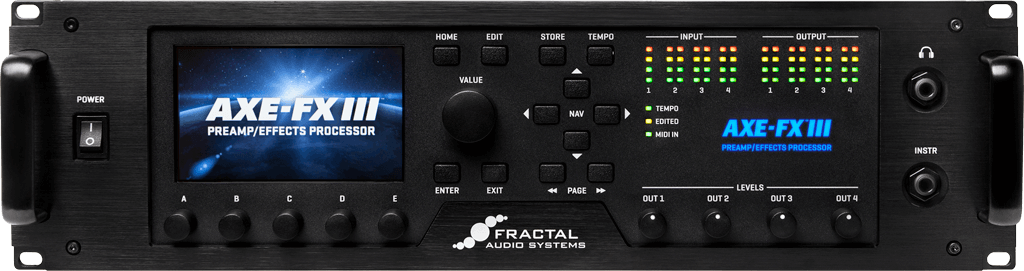
- Fractal Axe-Fx III — Provides consistent, reliable amp modeling across different venue acoustics on tour and doubles as a studio workhorse
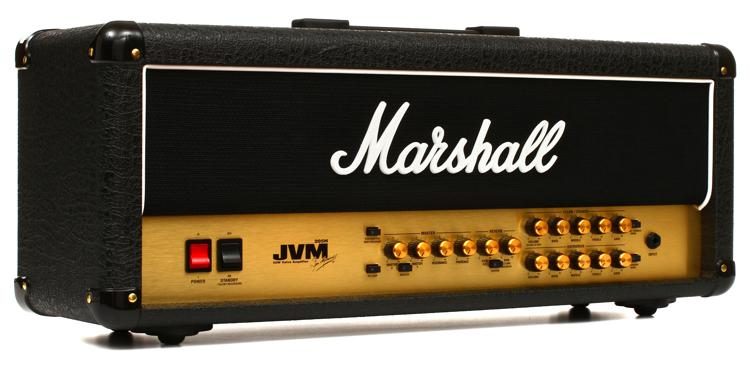
- Marshall JVM205H — Adds a distinct tonal character for specific applications and tonal variety across a set
- Wide stereo effects chain incorporating chorus, delay, wah, and octave effects that create depth and spatial width in the mix
The Limitations Worth Knowing
No rig is without honest trade-offs. Our team notes several worth understanding before committing to this setup:
- The total cost of a Syn-spec rig runs well into five figures — this is not a budget-friendly proposition at full specification
- The Schecter Hellwin amp has limited second-hand market availability compared to mainstream options like Marshall or Mesa/Boogie
- DiMarzio Synyster Gates pickups are voiced specifically for this application and don't translate universally to other playing styles or genres
- The stereo effects chain requires significant technical knowledge to configure and maintain reliably on tour
Pro insight: The Fractal Axe-Fx III handles a substantial portion of the heavy lifting on Syn's touring rig — anyone serious about approximating this sound on a realistic budget should invest there first, well before chasing the full hardware amp stack.
Breaking Down the Cost of the Synyster Gates Guitar Rig
Core Guitar and Amp Investment
Our team assembled realistic price estimates for the core components of the Synyster Gates guitar rig based on current market rates. These figures represent new or near-new pricing and are subject to regional variation:
| Component | Model | Approximate Cost |
|---|---|---|
| Primary Guitar | Schecter Synyster Gates Custom-S | $1,299 – $1,499 |
| Backup Guitar | Schecter Synyster Gates Standard | $699 – $849 |
| Signature Amp Head | Schecter Hellwin 100W | $1,499 – $1,799 |
| Secondary Amp Head | Marshall JVM205H | $1,799 – $2,099 |
| Digital Processor | Fractal Axe-Fx III | $2,399 – $2,499 |
| Speaker Cabinet | Marshall 1960A 4x12 | $849 – $999 |
Effects Chain and Signal Path Costs
The effects chain adds substantial investment on top of the core gear. Here's what the full signal path looks like in terms of individual units:
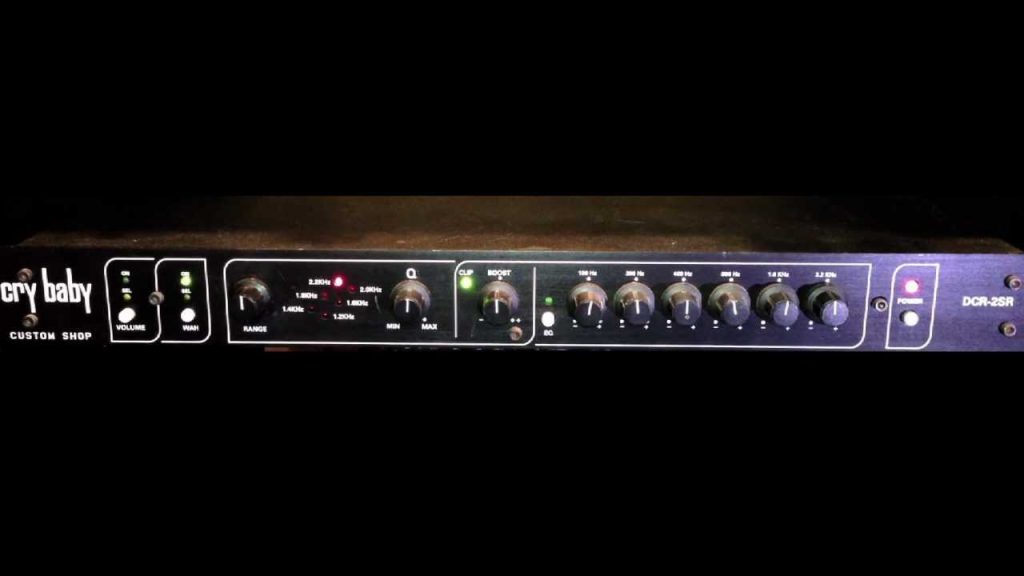
- Dunlop DCR-2SR Cry Baby Rack Wah — approximately $400–$500
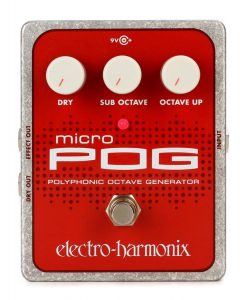
- Electro-Harmonix MicroPOG (polyphonic octave generator) — approximately $200–$250
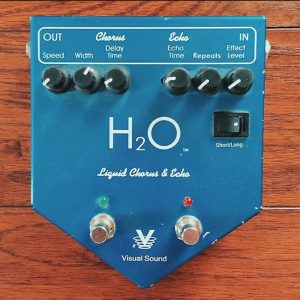
- Visual Sound H2O Chorus + Echo — approximately $150–$200
- Ebtech HE-2 Hum Eliminator — approximately $80–$120
- Wireless system, power conditioning, rack hardware, and cabling — $300–$600
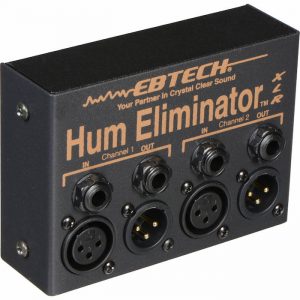
Total realistic investment for a complete Syn-spec rig: $9,000 to $12,000+, depending on sourcing, model variants, and whether the Fractal Axe-Fx III replaces or supplements the hardware amps.
Common Myths About Replicating the Synyster Gates Sound
Myth: Any High-Gain Guitar Gets Close Enough
Our team encounters this assumption constantly. The belief is that any guitar loaded with high-output humbuckers will approximate Syn's tone. It doesn't hold up under serious scrutiny.
The Schecter Synyster Gates Custom instruments are specifically engineered with:
- Compound radius fretboards (12" to 16") for comfortable, fast lead playing across the entire neck range
- DiMarzio SG Custom pickups wound to specific output and frequency response specs that interact directly with the Hellwin's input stage
- Mahogany body construction contributing characteristic warmth beneath the high-gain attack
- Floyd Rose Original tremolos — not licensed variants — for tuning stability during aggressive use
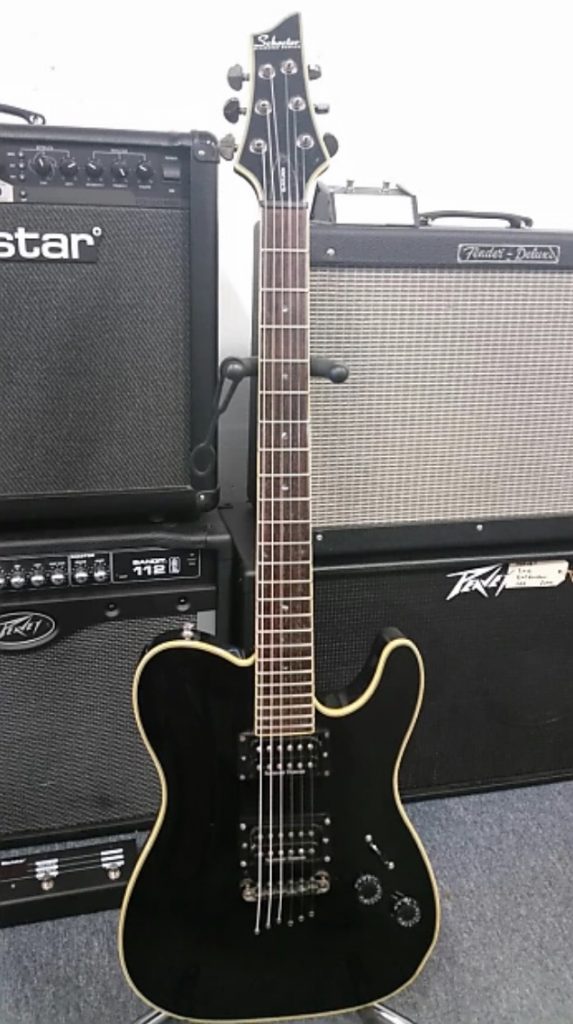
A standard Schecter or generic high-gain guitar simply doesn't share these specifications. The tonal difference is audible. That said, the Schecter Synyster Gates Standard at around $700 delivers approximately 80% of the Custom's performance at roughly half the price — a strong starting point for most players.
Myth: The Amp Is the Only Thing That Matters
Metal players often focus obsessively on amplification while underestimating the role of the complete signal chain. The Synyster Gates guitar rig is fundamentally a system — not a single piece of gear working in isolation.
The Fractal Axe-Fx III, for example, contributes substantially to the spatial depth and tonal consistency of both recorded and live output. The effects chain — chorus, delay, wah, and octave — isn't decorative. Each element fills a specific function. Our team has also documented how different amp voicings shape tone across rock styles in the guide on best amplifiers for rock music, which provides useful comparative context for understanding where the Hellwin sits in the broader landscape.
Additionally, the guitar-to-amp relationship matters enormously. The DiMarzio Synyster Gates pickups are voiced to interact with the Hellwin's input stage in a specific way. Swapping guitars alters that interaction in ways that EQ alone cannot compensate for.
Building Toward the Synyster Gates Sound: Beginner vs. Pro
Starting Points for Players on a Budget
Our team has mapped a realistic entry path for players who want to start building toward this sound without the full five-figure commitment. The approach is sequential and deliberate:
- Guitar first — Start with the Schecter Synyster Gates Standard ($699). It shares the same pickup design and body specs as the Custom at a substantially lower cost.
- Amp modeling next — A Line 6 Helix or Boss GT-1000 in the $500–$1,500 range covers credible Hellwin and Marshall voicings without the hardware investment.
- Effects last — Many mid-tier multi-effects units include functional chorus, delay, and wah models that approximate the individual pedals in Syn's chain adequately for practice and recording.
- Total entry-level investment — $1,200 to $2,500 for a setup that meaningfully captures the character of the Synyster Gates guitar rig.
Heavy metal's history is full of players who developed signature sounds on budget gear before upgrading. The priorities at the beginner stage are consistent practice, ear development, and understanding why specific tonal choices work — not owning the exact same hardware. It's worth noting that extreme metal's visual and sonic identities developed in tight parallel — our team explored this in the piece on the best illegible black metal band logos, which illustrates how brand-building and sonic identity intersect throughout metal history.
The Full Professional Signal Chain
For players ready to commit to the complete setup, here is the full professional signal chain as our team has documented it across multiple rig rundown sources:
- Schecter Synyster Gates Custom or Custom-S guitar
- Dunlop DCR-2SR Cry Baby Rack Wah at the front of the chain
- Electro-Harmonix MicroPOG for polyphonic octave processing
- Visual Sound H2O Chorus + Echo for ambient texture and spatial width
- Fractal Axe-Fx III for amp modeling, additional effects processing, and stage consistency
- Schecter Hellwin 100W head driving a 4x12 cabinet
- Marshall JVM205H as a parallel or secondary amp option for tonal variety
- Ebtech HE-2 Hum Eliminator for a clean, noise-free signal path
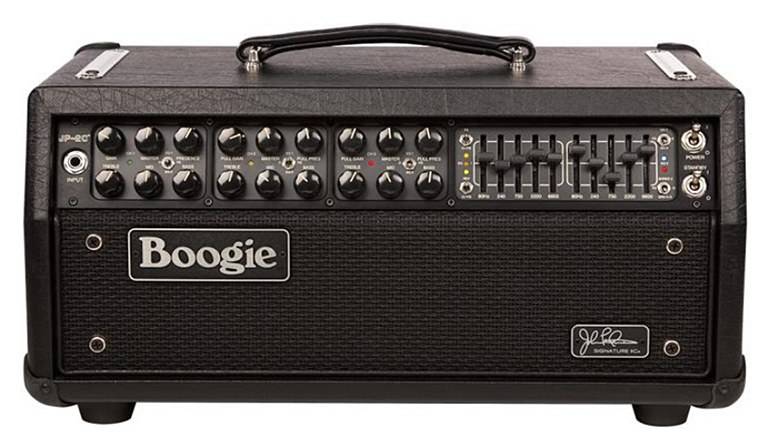
The stereo spread from running the dual-amp configuration is a defining characteristic of the live Synyster Gates guitar rig. It delivers the cinematic scale Avenged Sevenfold's live show demands, and it's the element that no single amp can replicate regardless of how dialed-in the tone is. For reference, the Mesa/Boogie JP-2C — John Petrucci's signature amp — represents a comparable investment philosophy in the prog-metal world.
Frequently Asked Questions
What guitars does Synyster Gates use live and in the studio?
Gates primarily uses Schecter Synyster Gates Custom and Custom-S signature guitars. These are built with mahogany/maple construction, Floyd Rose Original tremolo systems, and DiMarzio Synyster Gates signature pickups. The Custom-S features a sustainiac sustainer system for infinite sustain effects. Both models are available to the public through Schecter's regular production line, making the core of the Synyster Gates guitar rig genuinely accessible.
Does Synyster Gates actually use the Fractal Axe-Fx III live?
Our team has confirmed through multiple documented rig rundown sources that the Fractal Axe-Fx III is a central component of Syn's touring signal chain. It provides tonal consistency across venues with different acoustics and room characteristics, and it handles a significant portion of the spatial processing that defines the live sound. The hardware amps remain in the rig, but the Axe-Fx III is not merely a backup — it's a primary tool.
How much does it cost to build the complete Synyster Gates guitar rig?
A full, specification-accurate recreation of the Synyster Gates guitar rig costs between $9,000 and $12,000 based on current market pricing for new components. This includes the Schecter Custom-S guitar, Hellwin amp, Fractal Axe-Fx III, Marshall JVM205H, effects units, and signal path hardware. Players building a budget-focused approximation can achieve credible results in the $1,200 to $2,500 range using the Schecter Synyster Gates Standard and a quality amp modeler.
What pickups are in the Schecter Synyster Gates Custom guitar?
The Schecter Synyster Gates Custom uses DiMarzio Synyster Gates Custom pickups — a humbucker design developed in collaboration between Gates and DiMarzio specifically for this guitar. The bridge pickup is voiced for high-output aggression with defined note attack, while the neck pickup balances warmth with enough clarity for the melodic lead work that defines Syn's playing style. These pickups are sold separately and are compatible with other guitars, though they interact most effectively with the specific body construction of the Schecter Synyster Gates instruments.
The greatest guitar rigs in heavy metal history weren't assembled randomly — every piece was chosen with intent, and understanding that intent is the first step toward building a sound that's unmistakably your own.


About Dave Fox
Dave Fox (also known as Young Coconut) is a musician, songwriter, and music historian who has been making and studying music across genres for over twenty years. His work spans experimental, jazz, krautrock, drum and bass, and no wave — a breadth of listening that informs his writing about musical history, gear, and the artists who push sound in unexpected directions. At YouTubeMusicSucks, he covers music history and genre guides, musician interviews, and music production resources for listeners and players who want more than the mainstream offers.
Check for FREE Gifts. Or latest free acoustic guitars from our shop.
Remove Ad block to reveal all the rewards. Once done, hit a button below