Best Amplifiers for Rock Music: A Complete Guide
by Jay Sandwich
The best amplifiers for rock music are tube-driven combos and heads for most players — your specific choice comes down to style, budget, and playing context. Whether you want the jangly British chime that defined acts like The Smiths or a crushing high-gain wall of tone, your amplifier defines your identity as a guitarist more than any other piece of gear. Explore the full music gear landscape and the options feel overwhelming, but this guide cuts through the noise and gets you to the right answer fast.
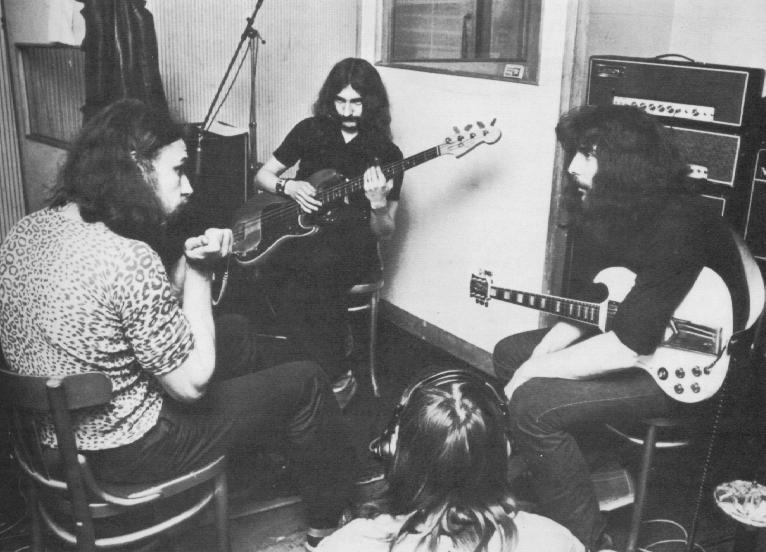
Rock amplification has a surprisingly technical history. The guitar amplifier evolved from modest clean-boosting boxes of the early electric era into the massive tone-defining instruments that shaped entire genres. Early British rock 'n' roll players ran Vox and Selmer amps pushed to the edge of their clean headroom, producing natural harmonic breakup that still shapes amp design and player preference decades later.
Today's market spans hand-wired boutique all-tube heads costing several thousand dollars down to digital modeling combos that deliver convincing amp emulation for a few hundred. Knowing which differences actually matter for rock — and which are just marketing noise — is the skill that separates confident gear buyers from players who perpetually second-guess their rigs and keep chasing the next amp without ever finding their sound.
Contents
Matching Your Amp to Your Rock Playing Context
Rock covers an enormous sonic range, and the best amplifiers for rock music in a vintage or indie context look completely different from those in a modern metal or hard rock setting. Your first decision before spending a dollar is identifying which corner of rock you actually inhabit, because buying an amp designed for a different style is the fastest route to expensive disappointment.
Classic Rock, Indie, and British Tones
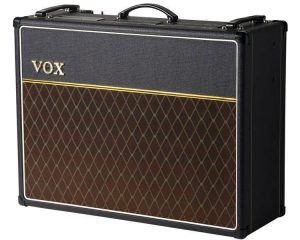
For classic rock and indie players, British-voiced amps define the entire palette. The Vox AC30 delivers that chimey, compressed top-end bloom that bands from the British Invasion through the shoegaze era relied on heavily. Its lack of a master volume means you get the best tone when you push it into natural breakup at moderate volumes. The Marshall Plexi and JCM800 family cover the rest of the classic rock spectrum, with a distinctive midrange growl and harmonic richness that make a Les Paul feel born to play through them.
Indie and jangle rock players gravitate toward Fender's cleaner American platforms as well — the Blues Junior and Deluxe Reverb offer touch-sensitive headroom that rewards expressive playing. Pair either one with a quality overdrive pedal for your crunch tones and you have a rig that covers enormous rock territory without a single compromise.
Pro tip: British amps and American amps respond very differently to the same overdrive pedal — always test your drives through both voicings before buying to avoid a mismatch that kills your tone.
Hard Rock and High-Gain Applications
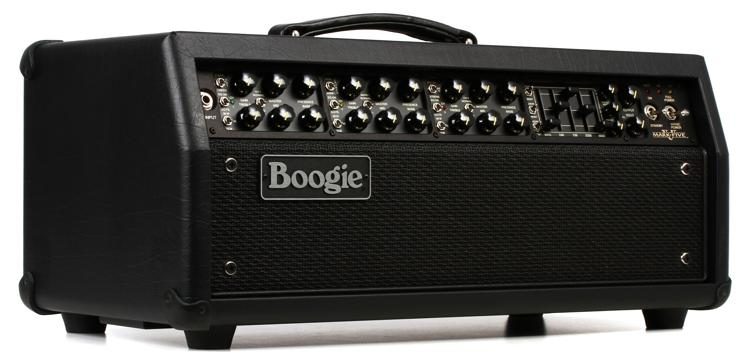
Hard rock and metal players need amps that deliver tight low-end response and clear articulation under heavy gain. The Mesa Boogie Mark series and Rectifier line built their reputations on exactly these qualities, offering surgical precision in the high-gain channel while retaining the warmth and dimension that budget alternatives simply can't match. EVH, Diezel, and Friedman round out the boutique high-gain category for players who want absolute top-shelf performance and don't mind paying for it.
Blues-Rock and American-Voiced Amps
Blues-rock players traditionally favor American-voiced amps — Fender Twins, Bassmans, and Dumble-style circuits that produce a warm, open clean tone with natural compression responding beautifully to picking dynamics. The key distinction from British circuits is the scooped midrange and extended low-end that makes single-coil pickups genuinely sing. If you play with a lot of dynamic range and rely on your picking attack for expression, an American clean platform with a good clean boost in front of it is a setup professionals return to decade after decade.
Getting the Best Sound from Your Amplifier
Owning a great amp is only half the equation. Knowing how to set it up correctly for your specific guitar, room, and band context determines whether that amp sounds legendary or merely adequate, and most players spend years learning these settings through expensive trial and error.
Wattage, Speakers, and the Volume Question
Speaker choice shapes your tone as dramatically as the amplifier circuit itself, which most beginners overlook entirely. A Celestion Vintage 30 pushes an aggressive, scooped rock character well, while a Celestion Greenback produces a warmer, more vintage-flavored breakup suited to classic rock. Wattage is less about raw volume than about headroom — a 100-watt amp at bedroom levels sounds completely different from a 15-watt amp pushed hard at the same perceived volume. Most rock players find that lower-wattage amps driven into natural power amp saturation produce far more musical and responsive tones than oversized rigs running at 10% capacity.
| Amp Type | Best For | Wattage Range | Typical Price Range |
|---|---|---|---|
| All-Tube Combo | Classic rock, blues-rock, indie | 15–50W | $700–$2,500 |
| All-Tube Head + Cab | Hard rock, metal, large stages | 50–150W | $1,000–$4,000+ |
| Solid-State Combo | Practice, budget gigging | 30–100W | $150–$600 |
| Modeling Combo | Versatility, recording, home use | 20–100W | $250–$800 |
| Hybrid (Tube Preamp) | Tube feel at lower cost | 20–60W | $400–$1,200 |
EQ Settings That Actually Work for Rock
The biggest beginner EQ mistake is running all controls at noon and wondering why the amp sounds flat and lifeless. Rock guitar needs a strong midrange presence to cut through drums and bass — whether that's a scooped British mid with boosted treble and bass, or a full mid-forward American tone depends on your genre. Set your mids first, then shape the bass and treble around them rather than the reverse, and your amp will sit in the mix far more naturally than it ever has before.
Amp Myths That Are Holding You Back
The guitar amplifier world is thick with received wisdom that doesn't hold up to scrutiny. Believing the wrong myths will cost you money and frustration in equal measure, so here are the ones that damage the most buying decisions among rock players specifically.
More Watts Does Not Mean More Volume
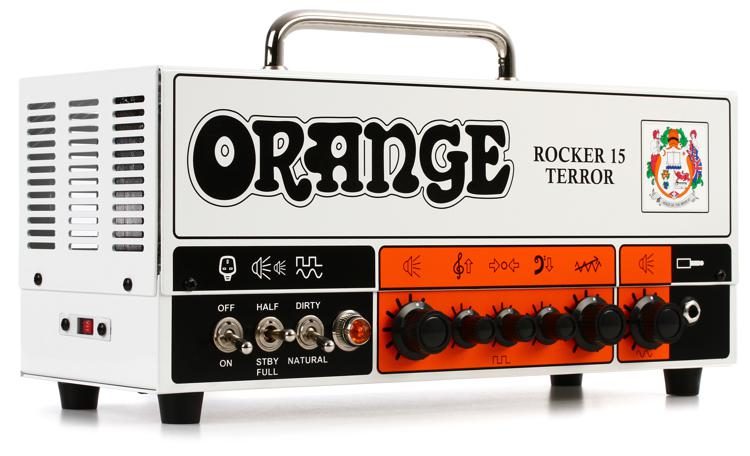
Doubling your wattage adds roughly 3dB of perceived loudness — barely noticeable to the human ear. You need ten times the wattage to perceive twice the volume, which is why a 15-watt tube amp like the Orange Rocker 15 holds its own at moderate rehearsal volumes with ease. Seasoned players often prefer lower-wattage amps that reach their sweet spot of natural power tube saturation at livable volumes, where the real magic in the circuit actually happens. The myth that you need 100 watts for gigging has sent countless players toward oversized rigs they'll run at a fraction of their potential.
Warning: Running a high-wattage tube amp at very low volumes long-term stresses output tubes without giving them the proper load — a lower-wattage amp pushed harder is always the smarter call for small venues.
Price Tags Do Not Guarantee Better Tone
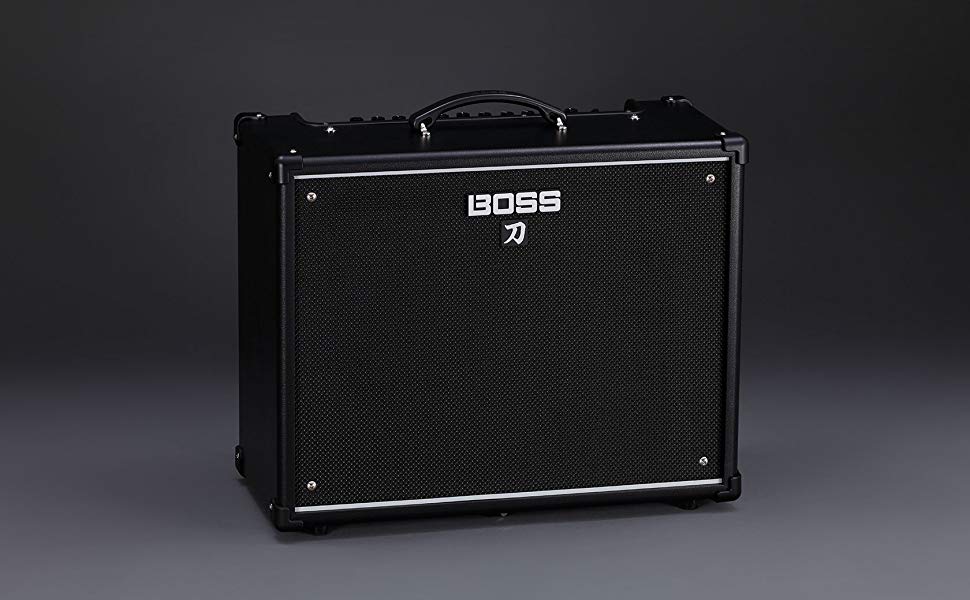
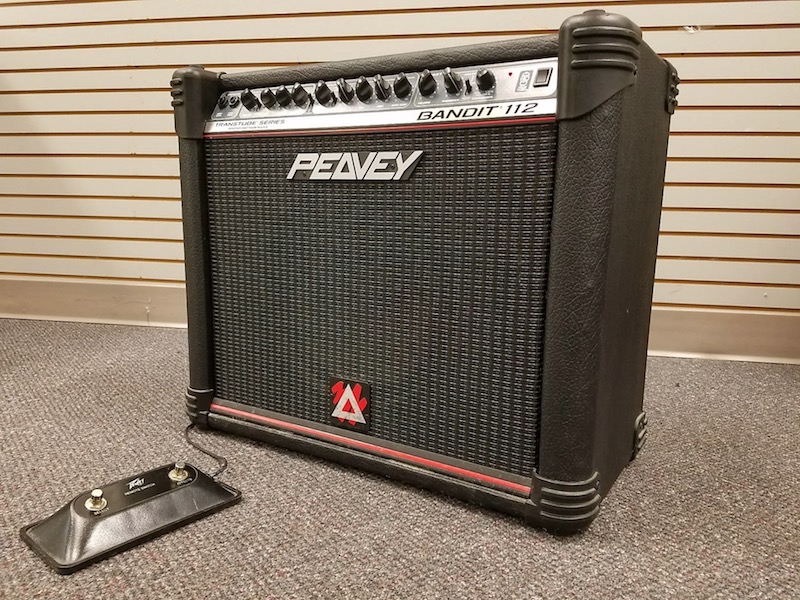
Noise rock act Kittens from Winnipeg built an entire sonic identity around aggressive, abrasive amp tones that weren't derived from expensive boutique gear — proving that the best tone is the tone that serves your music, regardless of price. A Boss Katana or Peavey Bandit used creatively in the right musical context outperforms a $3,000 boutique amp that's mismatched to your style and playing environment. The question is never which amp is objectively best — it's which amp is best for your specific application, room, and budget.
Keeping Your Amp in Top Shape
Your amplifier is a significant investment and a precision audio instrument, and treating it with the same care you'd give your guitar extends its life dramatically while keeping it sounding its best. Maintenance is especially critical for tube amps, where component degradation has a direct and audible effect on your tone long before the amp actually fails.
Tube Maintenance and Biasing
Power tubes — typically EL34s, 6L6s, or EL84s depending on the amp's design — wear out with use and need replacing every one to three years based on how hard and how often you play. When you install new power tubes, the amp's bias needs to be set correctly for them, either by a qualified technician or yourself if the amp includes a self-biasing circuit. Preamp tubes are more robust and last much longer, but swapping them is one of the easiest ways to fine-tune your amp's voicing without touching the circuit itself.
Speaker and Cabinet Care
Speaker cones are vulnerable to physical impact, moisture, and severe clipping from an underpowered amp pushed past its limits at high volumes. Always confirm your amp's output wattage matches or falls within your speaker's power handling rating before pushing things hard. Store your amp away from temperature extremes and transport it in a purpose-made bag or case to protect the cone from impacts you won't notice until the amp sounds noticeably hollow on stage.
Pro Tricks for Dialing In Better Rock Tone
Once you own the right amp and understand the fundamentals, there's a layer of technique and signal chain knowledge that separates players with merely good tones from those with genuinely great ones. These approaches are what working professionals use, and every one of them is accessible to you once you know what to listen for.
The Gain Stack Method
Rather than running your amp's gain channel wide open and hoping for the best, set your amp to about 60–70% of the gain you ultimately want and push it the rest of the way with a low-gain overdrive or boost pedal in front. This gain stacking approach produces a tighter, more articulate high-gain tone than a fully opened preamp stage, and it gives you a footswitchable level boost for solos without needing a separate channel. Once you have this tone dialed in and you're thinking about how to present your material to the world, it's worth reading through the considerations on whether to record an album or EP as your next natural step.
Recording Your Amp Like a Pro
Mic placement changes your recorded amp tone dramatically — moving a dynamic mic like a Shure SM57 from the center of the speaker cone toward the edge produces a noticeably warmer, less harsh tone that sits better in a full mix. Understanding microphone phasing when using two mics on a single cabinet is essential, because phase cancellation from improper placement hollows out your sound in ways that are nearly impossible to fix in post-production. If you're capturing acoustic guitar alongside electric in the same session, our guide to the best microphones for recording acoustic guitar covers complementary choices that help you build a coherent recorded sound across both instruments.
The right amp doesn't just make you sound better — it makes you want to play more, and that's the only spec that truly matters.


About Jay Sandwich
Jay Sandwich is a guitarist and modular synthesizer enthusiast whose musical life has taken him from shredding electric guitar to deep-diving the world of modular synthesis and experimental sound design. He brings a player perspective to music gear coverage — practical, opinionated, and grounded in years of actual playing experience across different setups and styles. At YouTubeMusicSucks, he covers guitar gear, rig rundowns, and musician interviews with the candid perspective of someone who has spent serious time on both sides of the instrument.
Check for FREE Gifts. Or latest free acoustic guitars from our shop.
Remove Ad block to reveal all the rewards. Once done, hit a button below