Pre-Beatlemania British Rock 'n' Roll: An Interview with Ex-Mod Bryan Rogers
by Jay Sandwich
Pre-Beatlemania British rock and roll was already a fully formed cultural movement before most of the world started paying attention. Our team sat down with Bryan Rogers, an ex-Mod from Hitchin, Hertfordshire, for a detailed conversation about what that era actually looked and sounded like on the ground. Much like our earlier interview with Sarah Jane Curran of The Violet Stones, this conversation revealed layers of the British music story that rarely make it into the standard histories. The decade before Beatlemania deserves to be understood on its own terms — and Bryan's account helps us do exactly that.

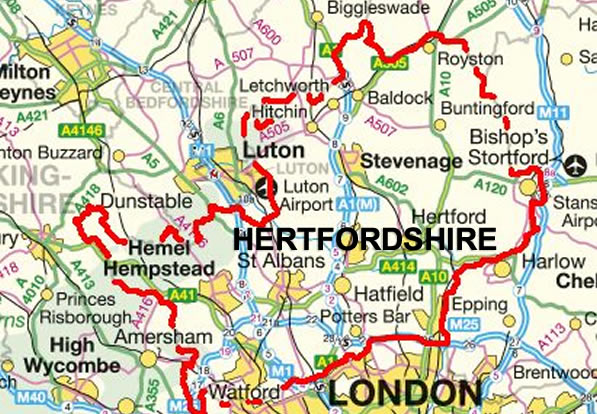
Bryan came of age in Hitchin, a market town roughly 35 miles north of London, during the late 1950s. He absorbed the rockabilly and skiffle sounds filtering through from America, moved through the rocker scene, and eventually found his identity in the Mod movement reshaping British youth culture by the early 1960s. His story tracks the full arc of pre-Beatlemania British rock — from its raw, borrowed origins to the polished, self-aware scene that immediately preceded the British Invasion.
Our experience covering British music history suggests this period is consistently undervalued. The assumption tends to be that everything meaningful started with the Beatles. Bryan's account makes a strong case that the real story is considerably richer — and that the musicians who came before the Fab Four laid the foundations the British Invasion would stand on.
Contents
- The Instruments and Gear That Shaped Early British Rock and Roll
- The Real Economics of Playing Live in Pre-Beatlemania Britain
- Strengths and Limitations of the British Rock Scene Before Beatlemania
- What Gets Misunderstood About Pre-Beatlemania British Rock and Roll
- When British Rock Found Its Footing — and When It Came Up Short
- Frequently Asked Questions
The Instruments and Gear That Shaped Early British Rock and Roll
Amplifiers and Stage Sound
One of the first things Bryan talked about was the equipment situation — specifically how limited it was, and how creative musicians had to be within those limits. Most early British rock players worked with amplifiers that weren't designed for rock and roll at all. British-made units like the Watkins Dominator and the Selmer Treble 'n' Bass were common on the circuit. They were underpowered, they broke up under pressure, and that natural overdrive became central to the era's sound. Players weren't chasing a vintage tone — they were just working with what was available and making it work.
For anyone studying the relationship between available gear and the music it produces, this era is a textbook case. Our coverage of turntable tonearm types touches on a similar principle — the physical tools in use at any given moment leave a direct fingerprint on the music. In the case of early British rock, underpowered amps and domestic guitars created a texture that American rock simply didn't share.
Pro insight: When trying to recreate pre-Beatlemania British rock tones, the key is understanding that the "broken" quality in those recordings wasn't a flaw — low-wattage British-voiced amplifiers pushed into natural breakup were the entire aesthetic of the era.
Guitars and the British Market

American instruments were available in Britain but came with premium prices and import complications. British players leaned on domestic brands — Hofner, Burns London, and Watkins (WEM). Bryan mentioned playing a Hofner Club 60 in his early performing days, a guitar that later became famous in its bass form through Paul McCartney. The British guitar market of this period was surprisingly developed, and the instruments it produced carried a tonal character distinct from their American counterparts — a rounder, slightly softer attack that shows up clearly in recordings from the era.
The Real Economics of Playing Live in Pre-Beatlemania Britain
Ballrooms, Dance Halls, and the Circuit
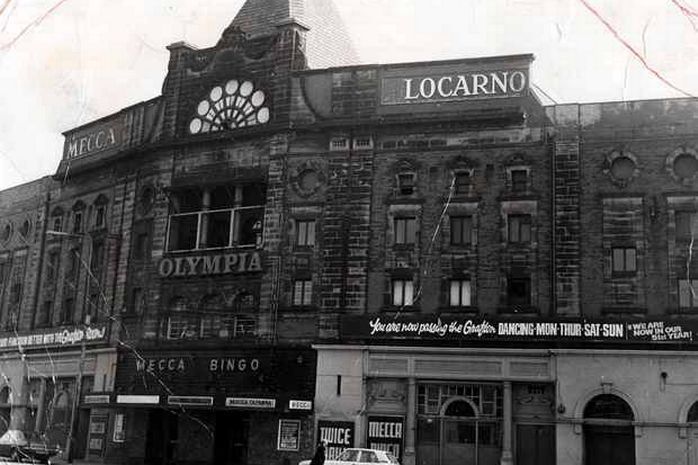
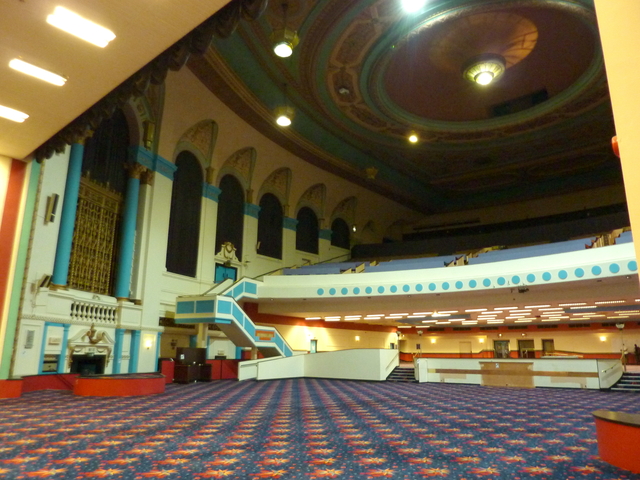
Bryan's memories of the live circuit are some of the most vivid parts of the conversation. The Locarno Ballroom chain — with venues across Liverpool, Swindon, Bristol, and other cities — was a central artery of the scene. These were not small, intimate rooms. They were large-capacity venues where bands competed directly with the social dynamics of the crowd. Getting and holding the attention of a ballroom full of dancers was a genuine performance skill that touring American acts had already perfected, and local British bands were learning it in real time.
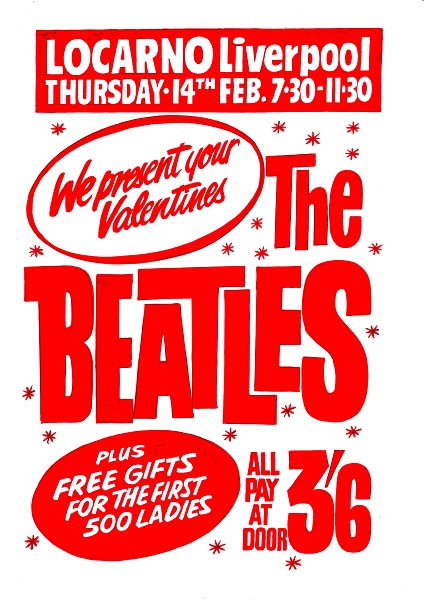
The circuit also included church halls, working men's clubs, and smaller local venues. Together they formed an informal touring infrastructure that allowed bands to build regional audiences — but almost no national infrastructure existed to move an act beyond its home area. According to Wikipedia's overview of rock and roll in the United Kingdom, the commercial touring model for British rock didn't fully mature until after Beatlemania created a scalable template for promoters to follow.
Pay, Expenses, and Getting Started
The financial reality Bryan described was bleak by any modern standard. Below is a simplified picture of what a typical gigging night looked like for an early British rock act playing a mid-sized ballroom in the late 1950s and early 1960s.
| Item | Approximate Range | Notes |
|---|---|---|
| Performance fee (ballroom) | £3–£10 per night | Varied by venue size and booking agent |
| Van hire or petrol | £1–£3 | Often the largest single expense per gig |
| String replacements (monthly) | 10–15 shillings | Expensive relative to typical gig pay |
| Amp repair or maintenance | Variable | Usually handled by band members or a local tech |
| Net pay per musician after split | £0.50–£2 | Many gigs barely covered costs |
These numbers explain why most musicians from the era held day jobs well into their performing careers. Making a living purely from music was not a realistic expectation for the vast majority of acts on the pre-Beatlemania circuit.
Strengths and Limitations of the British Rock Scene Before Beatlemania
What the Scene Got Right
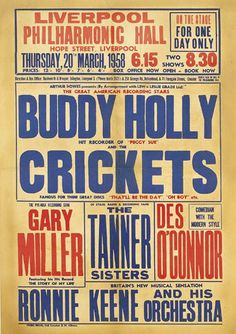
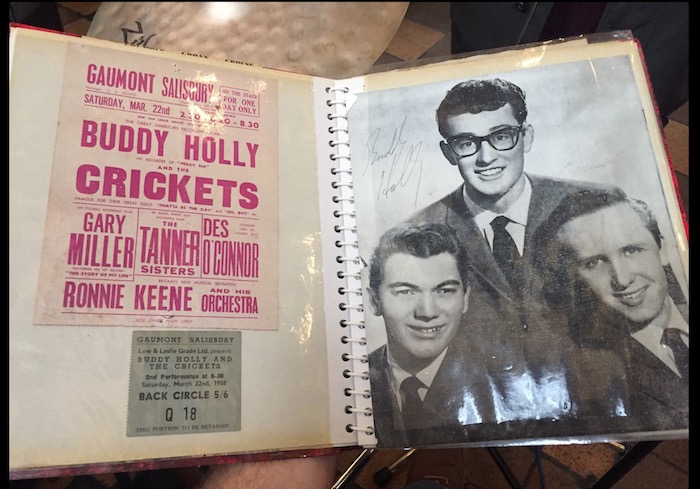
Bryan spoke with real affection about the strengths of the early scene. The live performance culture was demanding and produced musicians of high caliber. Bands rehearsed constantly, learned full sets of American covers, and competed for the same venues and audiences in ways that drove up the collective standard. When Buddy Holly toured the UK in 1958, the impact on young British musicians was enormous — not because his music was impossibly advanced, but because it demonstrated that the gap between American and British rock was closeable. Bryan recalled learning Holly's songs note for note. That kind of close, analytical engagement with source material gave British musicians an unusually precise command of rock and roll's mechanics.
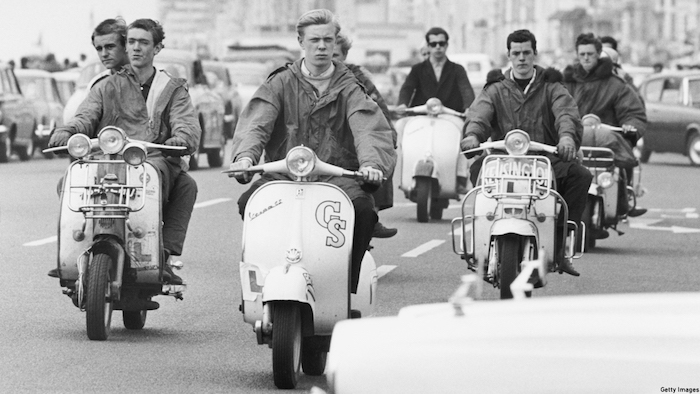
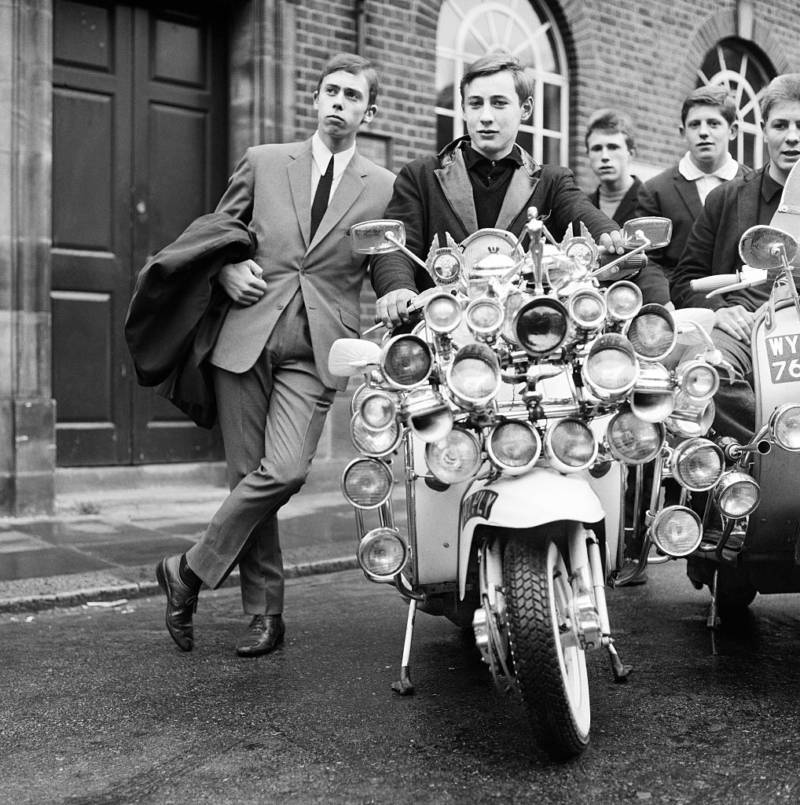
The Mod movement added a layer of seriousness about musical taste that filtered back into the broader scene. Mods treated deep musical knowledge as a point of cultural identity — collecting rare American soul and R&B imports, studying what they heard, and bringing that same focus to their own playing. This connects to a broader pattern our team has observed in British music history, discussed further in our coverage of The Smiths and their place in English rock — scenes that attach cultural value to serious listening tend to produce musicians with genuinely sophisticated ears.
Where It Fell Short
The limitations were structural rather than musical. Record labels remained conservative and slow to invest in British rock acts. The BBC operated under strict regulations that rationed how much pop and rock could air on its stations, limiting exposure for any act trying to reach a national audience. Regional scenes stayed regional because no reliable infrastructure existed to move music or musicians across the country at scale. The contrast with the American radio ecosystem — where regional stations could break a record nationally through sheer broadcast volume — was stark and consequential.
Worth knowing: The BBC's broadcasting restrictions during this period meant most pre-Beatlemania British rock acts had almost no path to mass national exposure — a structural ceiling that shaped, and ultimately limited, how far the scene could grow commercially regardless of musical quality.
What Gets Misunderstood About Pre-Beatlemania British Rock and Roll
The "Pale Imitation" Label
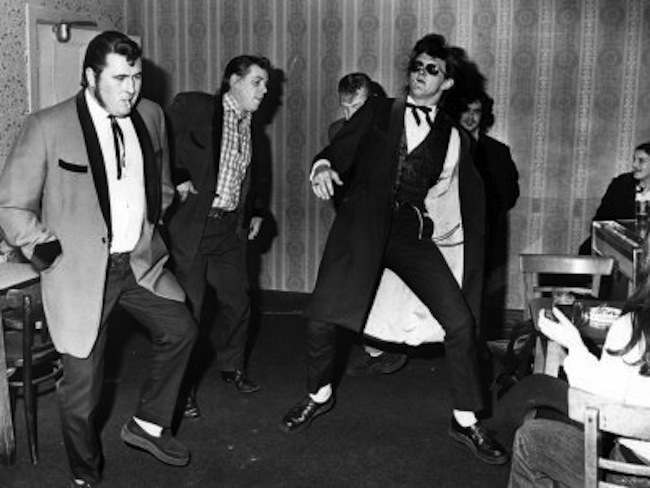
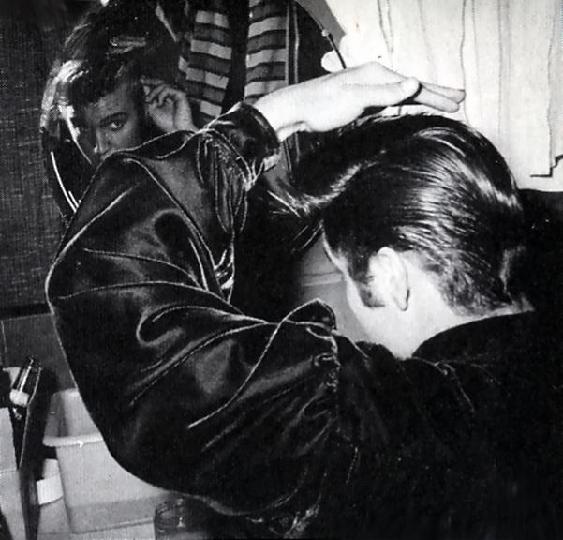
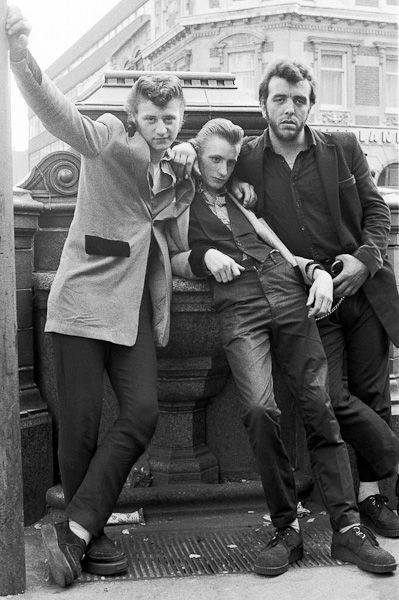
The most persistent misreading of this period is the claim that British rock of the late 1950s and early 1960s was simply a diluted copy of American originals. Our team finds this framing both lazy and inaccurate. British acts of this era were doing something genuinely creative with the material they absorbed. Tommy Steele, Billy Fury, and Johnny Kidd and the Pirates were not attempting to duplicate Elvis or Chuck Berry — they were processing American rock through a distinctly British cultural filter. Bryan's account of the Mod scene makes this especially clear: Mods actively rejected the rockabilly aesthetic of the Teddy Boys in favor of a tailored, continental look and a more sophisticated approach to American Black music. That was a creative choice, not an imitation.
The American Influence Question
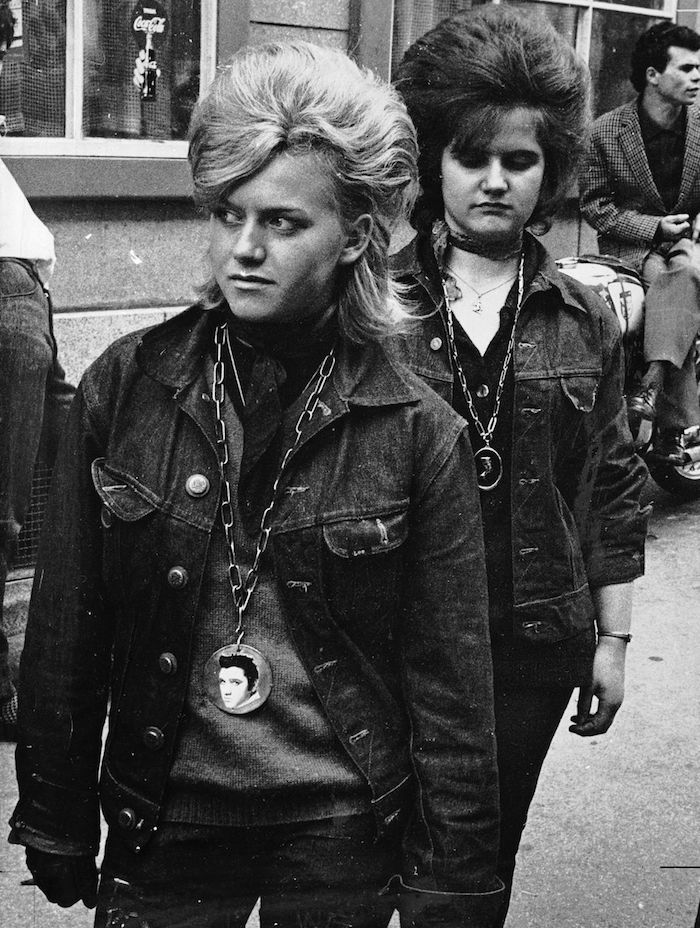
American rock and roll's influence on British musicians is undeniable, but it is often framed as a one-way street. Bryan pushed back on this. British musicians brought their own musical backgrounds — brass band traditions, music hall, folk, skiffle — into what they were doing. Those influences subtly altered the DNA of what they created. The British Invasion that followed Beatlemania was not simply American music sent back. It was something that had been absorbed, combined with other elements, and returned in a transformed state. Understanding that process is essential to understanding why the British Invasion landed the way it did in America.
When British Rock Found Its Footing — and When It Came Up Short
The Peak Years
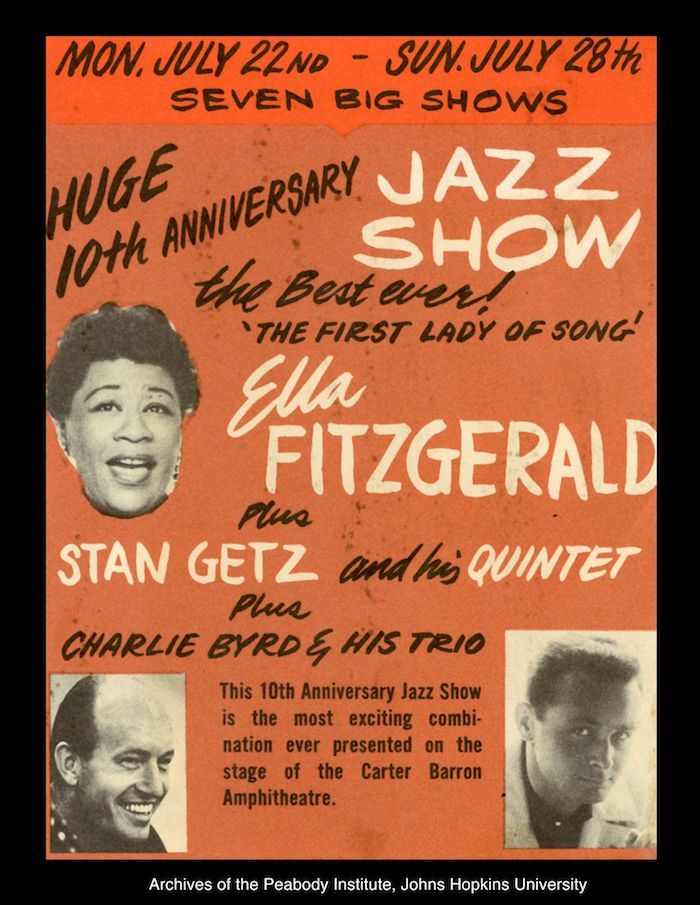
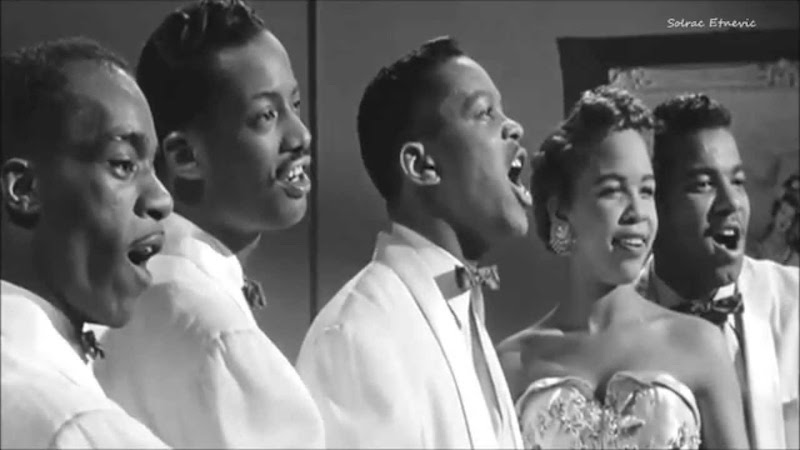
Bryan identified the period from roughly 1958 to 1962 as the creative high point for pre-Beatlemania British rock. More touring American acts were coming over. Homegrown performers were developing genuine regional followings. Ballrooms were investing in better sound equipment. The infrastructure and the talent were developing in parallel, even if the full commercial payoff would come later. For observers of the music industry, the pattern resembles other pivotal transition periods — including the disruption explored in our coverage of the rise of digital audio and the MP3, where foundational change preceded the industry's ability to fully capitalize on it.
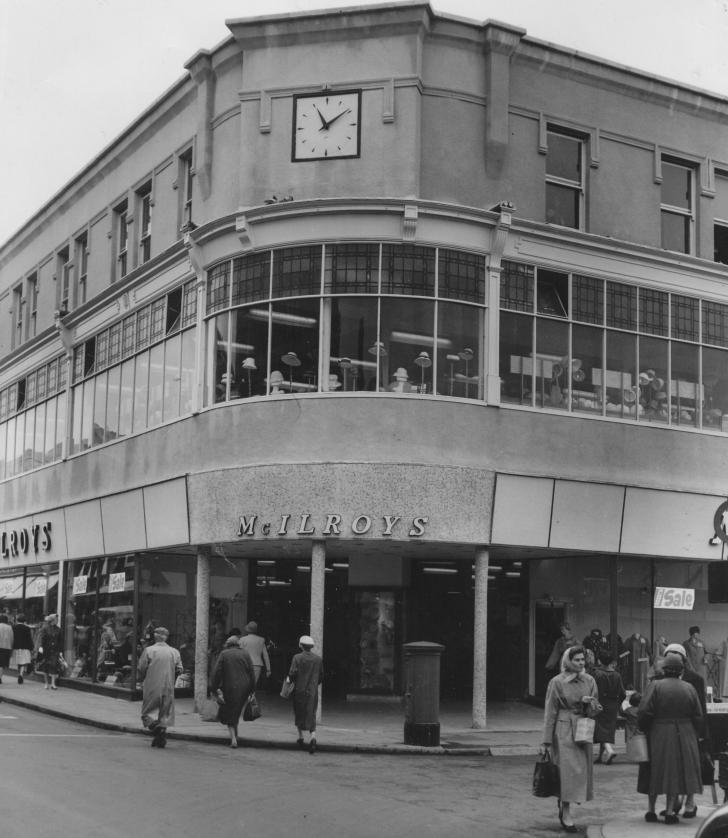
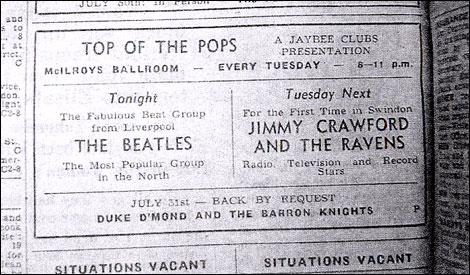
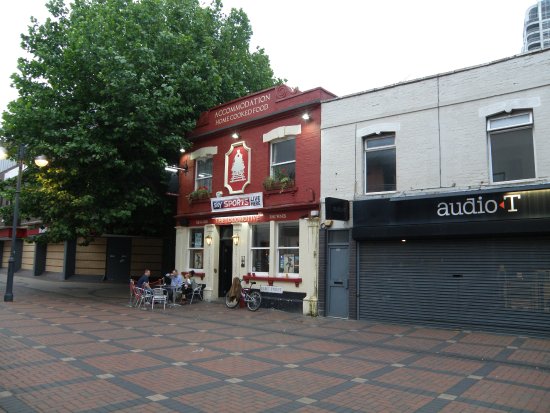
Venues like McIlroy's in Swindon — which would later host early Beatles gigs — were representative of this moment. They were real venues booking real acts and drawing real crowds, long before any of it became famous in retrospect.
When the Scene Struggled
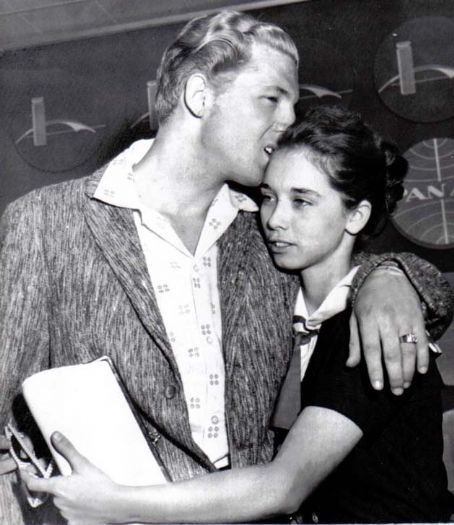
The scene's vulnerabilities became clear around 1960 to 1962. Several high-profile American tours went badly. Jerry Lee Lewis's UK visit ended in scandal when the press revealed he had married his 13-year-old cousin, effectively destroying his British career overnight and sending a chill through the broader culture of American rock imports. Visa restrictions further limited how often American acts could perform in the UK. Without that drawing power, many venues reverted to safer dance band formats. The scene contracted significantly.
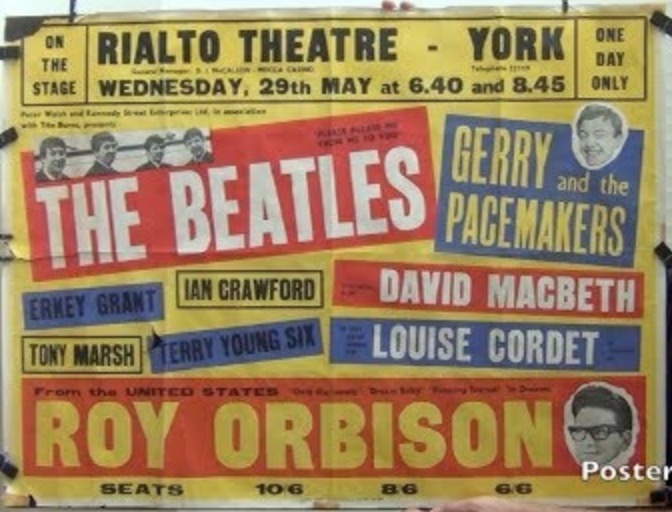
It would take the emergence of Liverpool's Merseybeat sound — and eventually Beatlemania itself — to re-energize the national picture. For context on how scenes that lack stable infrastructure tend to hit a ceiling regardless of musical quality, our coverage of Napster's rise and fall offers a useful structural parallel. Bryan watched that transition happen in real time, and his account makes the arc feel both inevitable and deeply human.
Frequently Asked Questions
What is pre-Beatlemania British rock and roll?
Pre-Beatlemania British rock and roll refers to the homegrown rock scene that developed in the UK during the late 1950s and early 1960s, before the Beatles transformed British pop music into a global phenomenon. It included acts like Tommy Steele, Billy Fury, Cliff Richard, and Johnny Kidd and the Pirates, operating through a circuit of ballrooms, dance halls, and regional venues.
Who is Bryan Rogers?
Bryan Rogers is an ex-Mod from Hitchin, Hertfordshire, who grew up in the pre-Beatlemania British rock scene. He participated in the live music circuit during the period when American rock and roll was first taking hold in Britain, and his first-hand account offers a ground-level perspective on that cultural moment.
What gear did early British rock musicians typically use?
Most early British rock musicians relied on domestically produced instruments and amplifiers. Common choices included Hofner and Burns London guitars, and amplifiers like the Watkins Dominator and Selmer Treble 'n' Bass. American instruments were available but expensive, making British-made alternatives the practical standard for most working musicians of the era.
Why did the pre-Beatlemania British rock scene have limited commercial reach?
Structural barriers were the main constraint — conservative record labels, strict BBC broadcasting regulations limiting pop and rock airplay, and the absence of a national touring infrastructure all combined to keep most acts regional. The scene had genuine musical vitality but lacked the commercial machinery to scale nationally.
How did the Mod movement connect to early British rock?
The Mod movement grew alongside the early British rock scene but developed its own distinct cultural identity centered on tailored fashion, American soul and R&B imports, and a serious engagement with musical quality. Mods coexisted with and eventually diverged from the earlier Teddy Boy and rocker subcultures, bringing a more sophisticated listening culture back into the broader scene.
What ended the pre-Beatlemania British rock era?
A combination of factors contributed to the scene's contraction — touring scandals involving American acts, visa restrictions limiting US performers in the UK, BBC airplay constraints, and eventually the emergence of Liverpool's Merseybeat sound, which reset the terms of British popular music entirely. The Beatlemania that followed built on existing foundations but represented a genuinely new cultural moment.
Final Thoughts
Pre-Beatlemania British rock and roll is one of music history's most underappreciated chapters, and conversations like the one our team had with Bryan Rogers are exactly why it deserves a closer look. Our team encourages anyone with a genuine interest in the roots of British popular music to dig into the primary sources — track down the recordings, explore the venues, and seek out first-hand accounts from people who were actually there. Browse our full archive of music articles for more interviews, history deep dives, and gear discussions spanning the full spectrum of popular music.


About Jay Sandwich
Jay Sandwich is a guitarist and modular synthesizer enthusiast whose musical life has taken him from shredding electric guitar to deep-diving the world of modular synthesis and experimental sound design. He brings a player perspective to music gear coverage — practical, opinionated, and grounded in years of actual playing experience across different setups and styles. At YouTubeMusicSucks, he covers guitar gear, rig rundowns, and musician interviews with the candid perspective of someone who has spent serious time on both sides of the instrument.
Check for FREE Gifts. Or latest free acoustic guitars from our shop.
Remove Ad block to reveal all the rewards. Once done, hit a button below