Interview with Bill Welychka: His Broadcasting Career from MuchMusic to Today
by Jay Sandwich
Bill Welychka's MuchMusic broadcasting career is one of the most studied examples of long-form music television journalism in Canadian history. He joined MuchMusic — Canada's national music video channel — as a VJ (video jockey) at a time when music television was the primary lens through which an entire generation discovered new artists. Our team considers his run essential reading for anyone serious about music media, and this deep dive covers how he got started, what made him effective on camera, the milestones that defined his legacy, and what the career really demanded behind the scenes.
What makes the Bill Welychka MuchMusic broadcasting career worth examining isn't nostalgia alone. It's the craft underneath every interview, the personal investment required to stay relevant across multiple decades, and the discipline that kept one broadcaster working long after many of his peers moved on. For music fans, music journalists, and anyone thinking seriously about a media career, Bill's path offers a lot to unpack.
Our team covers musician stories and broadcasting histories regularly in our interviews section, and Bill Welychka's stands out for its range, longevity, and the sheer number of iconic artists he encountered over the years. The breakdown below covers everything from his early career moves to the less-visible costs of staying in the industry for the long haul.
Contents
How Bill Welychka Built His Path Into Broadcasting
Getting a Foot in the Door
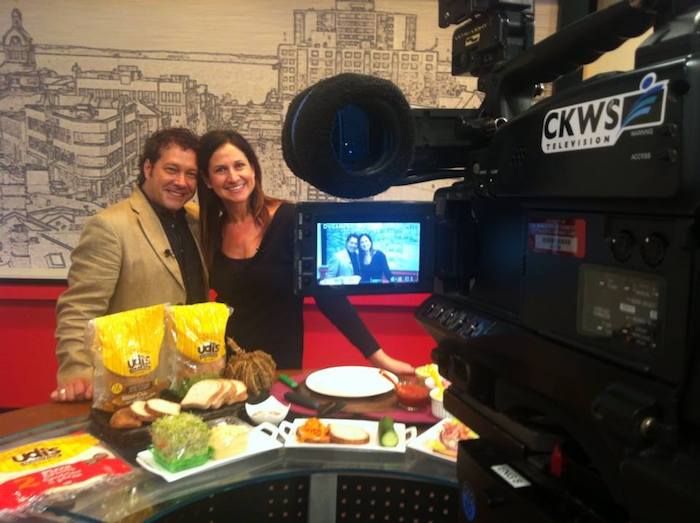
Most people assume landing a VJ role on a national music channel requires some dramatic Hollywood-style breakthrough. Bill's path was more methodical than that. He developed his on-air presence through regional television work — including time at CKWS, a Kingston, Ontario broadcaster — before MuchMusic took notice. Those years at smaller stations were where the fundamentals got drilled in: live timing, composure under pressure, camera awareness, and recovery when things go sideways.
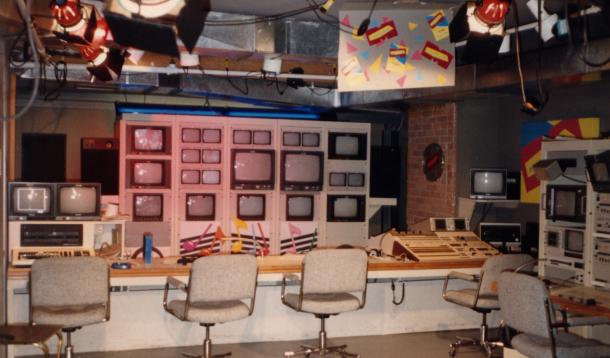
Our research finds this same apprenticeship pattern across nearly every long-running broadcast career. The regional-market grind isn't glamorous, but it produces broadcasters who can actually handle live television. The key steps in Bill's early trajectory looked something like this:
- Regional broadcasting experience provided real reps before the national spotlight arrived
- Working in live formats built the composure MuchMusic's format demanded
- Smaller markets allowed room for on-air mistakes without career-ending consequences
- Consistent output — showing up and performing week after week — built the habits that held later
The shortcut route into major broadcast roles rarely holds up. Our team has seen this pattern repeat enough times that we'd call it a reliable rule: broadcasters who skip the foundational reps tend to plateau quickly once the pressure increases.
The MuchMusic Environment

MuchMusic's headquarters at 299 Queen Street West in Toronto was genuinely unlike most television studios. The channel was built on street-level access — fans could watch through a glass storefront, artists wandered in for surprise appearances, and the entire production ethos was deliberately loose and live. For a broadcaster like Bill, that environment demanded real flexibility. There was no hiding behind a rigid script when a major artist showed up unannounced and the cameras were already rolling.
The channel's founder, Moses Znaimer, built MuchMusic around a philosophy of authentic, spontaneous television over polished production. This shaped how VJs operated day-to-day. Preparation mattered more than scripted lines — knowing an artist's discography, understanding their recent controversies, and sensing what they'd actually want to discuss made the difference between a forgettable clip and a moment viewers talked about the next day.
Lessons from the VJ Booth: What Made Bill Welychka Stand Out
Interview Techniques That Held Up
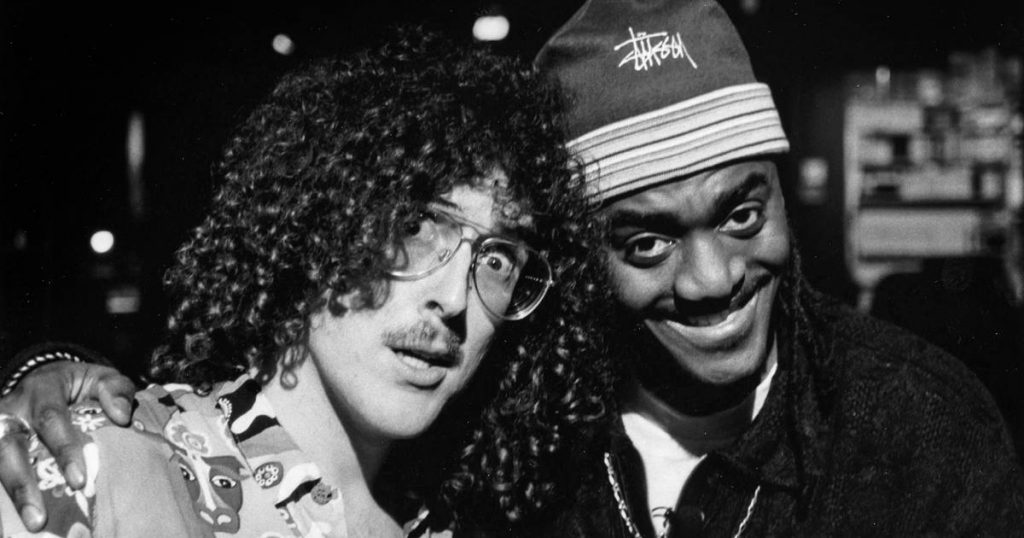
The Bill Welychka MuchMusic broadcasting career produced hundreds of on-camera conversations across rock, pop, alternative, and everything in between. Looking back at those interviews, our team consistently notices the same patterns in how he approached his subjects:
- Active listening rather than waiting for his next scripted question
- Sustained energy without manufactured enthusiasm — it read as genuine
- Letting artists finish full thoughts rather than cutting in for tidy sound bites
- Balancing accessible fan-oriented questions with real music discussion
- Reading the room and adjusting tone when an artist seemed guarded or open
Pro insight: The strongest music interviewers research an artist's most recent project first, not just their biggest catalog hits — artists consistently respond better when they sense the person across from them actually did their homework.
None of these are complicated techniques. They're fundamentals that most people abandon when nerves take over in a live setting. The discipline of active listening is what separated VJs who built lasting careers from those who faded after a few seasons on camera.
Connecting with Artists and Audiences at the Same Time
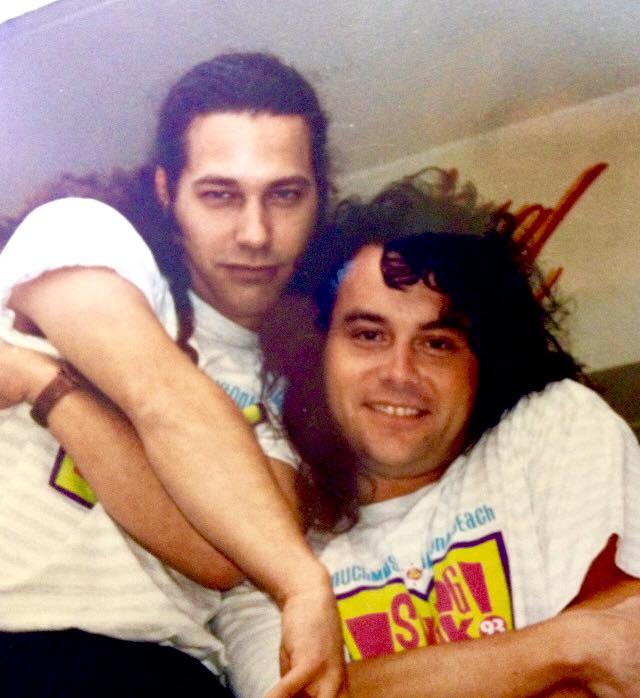
One of the harder skills in music broadcasting is holding two audiences simultaneously. The artist sitting across from a VJ needs to feel comfortable and respected. The viewer at home needs to feel entertained and informed. Most people who struggle with on-air interviews collapse one of these in favor of the other — either pandering to the celebrity or playing purely to the camera at the artist's expense.
Bill's approach leaned on a genuine enthusiasm for music that wasn't performed. That kind of authenticity is nearly impossible to fake across a long career, and it's why many interviews from his MuchMusic tenure still hold up on repeat viewing. The ability to make an artist feel heard while simultaneously giving an audience a satisfying window into that conversation is a skill that takes years to develop and deliberate practice to maintain.
Career Highlights That Defined His Legacy
Iconic Interviews Across Rock History
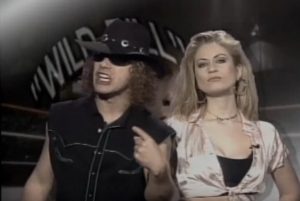
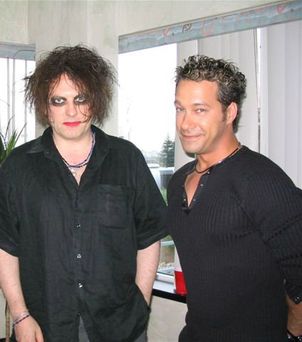
Over the course of his MuchMusic tenure, Bill Welychka sat down with artists spanning nearly every major genre that passed through Canadian music culture — hard rock, alternative, pop crossovers, and acts that defied easy categorization. A few standout threads run through his catalog of work:
- His conversations with alternative rock acts during the channel's peak era captured a moment in music that felt genuinely unscripted and culturally charged
- His interview with The Cure's Robert Smith stands as one of the more memorable one-on-ones from MuchMusic's archive — a rare combination of broadcaster access and real preparation
- He covered major tours, album launches, and special event programming that put him in front of acts most viewers only ever saw on a concert stage
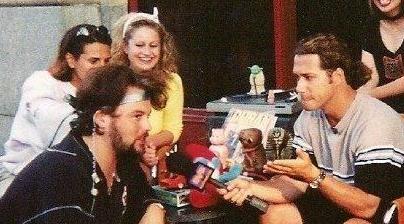
For context on the alternative and post-punk scene that dominated much of Bill's early MuchMusic work, our deep dive into The Smiths and the English 80s rock scene captures the era from the band's perspective — many of the artists Bill encountered emerged from the same wave of alternative music that defined the period.
Shaping Canadian Music Culture
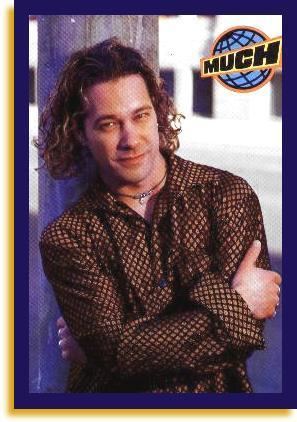
MuchMusic wasn't just a Canadian channel — it was a cultural institution. The VJs who represented it were, in a real sense, the faces of Canadian music fandom at a national level. Bill Welychka's presence on that platform helped shape how Canadian audiences discussed and experienced music during one of the most turbulent and exciting eras in the industry's modern history.
The channel gave Canadian artists a platform with no real domestic equivalent, and the broadcasters who covered that scene were doing something genuinely significant: documenting music culture as it happened, in real time, without the benefit of hindsight. After his MuchMusic tenure, Bill transitioned back to regional television work — including continued broadcasting at CKWS in Kingston — proving that a career built on real skills doesn't end when the flagship platform changes or shrinks.
The Real Investment a Long Broadcasting Career Demands
Time, Training, and What Gets Traded Away
Most people looking at a career like Bill's from the outside see the highlights — the famous interviews, the backstage access, the recognizable face. What's less visible is the sustained effort underneath. Our team put together the table below to give a clearer picture of what building and maintaining a music broadcasting career at that level actually involves at each stage:
| Career Stage | Key Investment | What It Builds | Typical Duration |
|---|---|---|---|
| Entry-level / Regional | Low-paid or unpaid work at small stations | Camera comfort, live TV fundamentals | 2–5 years |
| Rising broadcaster | Ongoing research, deep artist knowledge | Credibility with artists and bookers | 3–7 years |
| National platform (e.g. MuchMusic) | Constant availability and adaptability | Audience recognition, industry relationships | Ongoing |
| Post-peak transition | Willingness to step back to regional work | Career longevity, local audience loyalty | Variable |
The financial reality of a broadcasting career also deserves honest acknowledgment. Early-career broadcasters typically absorb significant costs — relocation, voice coaching, demo reel production, unpaid internships — before any meaningful income arrives. The investment front-loads heavily, and the payoff timeline varies considerably depending on the market and the moment.
Career Transitions and What They Cost
The shift from a national music television platform to regional broadcasting is one most broadcasters resist. The ego cost is real. The financial adjustment is real. What Bill's career illustrates is that staying active in journalism — even at a smaller scale — keeps skills sharp and keeps a broadcaster relevant in ways that stepping entirely away from the work doesn't allow.
Most long broadcasting careers involve at least one significant step back before a second wind. The music industry's own seismic shifts — the decline of music video television as a format, the rise of digital audio and MP3 culture, and the eventual fragmentation of audiences across streaming platforms — meant that any broadcaster who stayed active had to adapt to platforms and formats that didn't exist when their career began. Bill's willingness to do that work is part of what makes his trajectory worth studying.
What Most Aspiring Music Broadcasters Get Wrong
Overlooking the Fundamentals
There's a version of this mistake that's extremely common: aspiring music broadcasters focus on being a fan rather than developing as a journalist. Fandom is a starting point, not a skill set. What the Bill Welychka MuchMusic broadcasting career demonstrated — and what most people applying for on-air roles tend to undervalue — is that technical fundamentals carry just as much weight as enthusiasm:
- Clear, well-paced speech that doesn't rush through transitions or trail off under pressure
- Understanding of how to manage conversation rhythm in a live or semi-live setting
- Comfort with silence — not every pause needs to be immediately filled
- Knowing when an interview is drifting and how to redirect it without making the artist feel cut off
- Familiarity with the music itself, not just the artist's public persona
Our team has observed that broadcasters who treat technical preparation as secondary to personality tend to struggle when the conditions get difficult. Live television punishes people who rely on charm alone.
Missing the Human Side of Interviewing
The most damaging pattern we've encountered in aspiring music broadcasters is treating interviews as a checklist rather than a conversation. Bill's approach was consistently notable for feeling responsive — if an artist said something unexpected, he followed it. If a planned question no longer made sense in context, he dropped it and moved with the moment. That kind of real-time adaptability is rare and takes conscious, deliberate practice to develop and maintain.
The broadcast landscape has changed dramatically since MuchMusic's peak. Music television as a format largely gave way to digital platforms and social media. The tools and delivery channels shifted. The core human skills, however, held constant — listening well, staying genuinely curious, and respecting the person across from the microphone remain the non-negotiables of music broadcasting at any level, on any platform.
Frequently Asked Questions
Who is Bill Welychka?
Bill Welychka is a Canadian broadcaster best known for his work as a VJ (video jockey) on MuchMusic, Canada's national music video channel. He conducted hundreds of on-camera interviews with major rock and pop artists during his tenure and later continued his broadcasting career in regional television in Ontario.
How long was Bill Welychka at MuchMusic?
Bill Welychka spent a significant portion of his career at MuchMusic during the channel's peak years, working as one of its recognizable on-air personalities through much of the channel's most culturally influential period. He built his reputation through consistent, long-form access journalism with major artists across multiple genres.
What made Bill Welychka's interview style distinctive?
Bill Welychka's interview style stood out for its combination of genuine music knowledge, active listening, and the ability to balance artist-facing rapport with viewer-facing entertainment simultaneously. He avoided over-scripting his conversations and consistently demonstrated real preparation rather than relying on stock questions, which made his interviews feel more like conversations than press junkets.
What did Bill Welychka do after MuchMusic?
After his time at MuchMusic, Bill Welychka continued broadcasting at the regional level, including work at CKWS, a television station in Kingston, Ontario. His post-MuchMusic career demonstrated that the skills built on a national music television platform can translate effectively into different broadcasting contexts and audience sizes.
What can aspiring broadcasters learn from the Bill Welychka MuchMusic broadcasting career?
The most transferable lessons from Bill's career center on preparation, adaptability, and patience. Building strong fundamentals at smaller regional stations before pursuing major platforms, developing deep knowledge of the music rather than just the artists' public personas, and staying active in broadcasting through industry shifts are all patterns his career illustrates clearly.
Final Thoughts
Bill Welychka's career is a detailed, real-world case study in what music broadcasting looks like when someone invests in the fundamentals and stays adaptable through industry change. Our team recommends digging into the primary source material — tracking down archived MuchMusic interviews where possible — because watching how he operated in a live, unpredictable environment is far more instructive than any summary of it. Head over to our interviews archive to explore more conversations with musicians and broadcasters who've built careers worth examining, and consider what elements of Bill's approach translate directly to the platforms and formats dominating music media right now.


About Jay Sandwich
Jay Sandwich is a guitarist and modular synthesizer enthusiast whose musical life has taken him from shredding electric guitar to deep-diving the world of modular synthesis and experimental sound design. He brings a player perspective to music gear coverage — practical, opinionated, and grounded in years of actual playing experience across different setups and styles. At YouTubeMusicSucks, he covers guitar gear, rig rundowns, and musician interviews with the candid perspective of someone who has spent serious time on both sides of the instrument.
Check for FREE Gifts. Or latest free acoustic guitars from our shop.
Remove Ad block to reveal all the rewards. Once done, hit a button below