What Type of Banjo Is Best for Folk Music?
by Dave Fox
What type of banjo actually delivers the best banjo for folk music experience — and does the choice really matter? The short answer is yes, significantly. The 5-string open-back banjo dominates traditional folk circles, but the tenor banjo and long neck banjo each serve specific folk traditions the 5-string can't fully replicate. Readers exploring folk music articles and gear guides quickly discover how deep the banjo's role runs across American acoustic traditions.
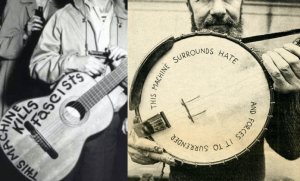
According to Wikipedia's history of the banjo, the instrument evolved from African-derived string instruments, reaching its modern 5-string form by the mid-1800s. That heritage shapes everything about how folk players approach it today. Understanding the main genres of American music shows how the banjo sits alongside fiddle and guitar as one of the defining voices of the folk and old-time tradition.
Three distinct banjo styles serve folk music: the 5-string open-back, the tenor banjo with 4 strings, and the long neck banjo with its extended scale. Each one fits a different context. The sections below break down exactly when each type works, what gear accompanies it, what it costs, and how to keep it in playable shape.
Contents
Finding the Best Banjo for Folk Music: 5-String, Tenor, or Long Neck?
Three banjo styles dominate folk music worldwide. Matching the instrument to the right tradition is the first — and most important — decision a folk player makes.
When the 5-String Open-Back Is the Right Choice
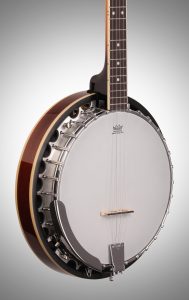
The 5-string open-back banjo is the instrument most people picture when they think of folk music. Its warm, slightly muted tone comes from the open back — no resonator bowl — which lets sound project backward rather than forward. That design creates a rounder, quieter character compared to the louder bluegrass resonator banjo.
- Best for Appalachian old-time music and clawhammer or frailing styles
- Works for 1960s folk revival repertoire — Pete Seeger, early Dylan accompaniment, campfire singalongs
- The short 5th "drone" string produces the characteristic rolling sound that defines old-time playing
- Nearly every song in the standard classic folk song catalog was written for or recorded on a 5-string instrument
- Ideal for singer-songwriters who want rhythmic, textural accompaniment rather than a lead melody voice
When the Tenor Banjo Takes Over
The tenor banjo has 4 strings, a shorter scale length, and a brighter, more cutting tone. It was the dominant banjo style in early jazz, and it remains the banjo of choice in Irish and Celtic traditional music. Irish folk sessions use tenor banjo almost exclusively, tuned GDAE (the same as a mandolin or fiddle) or CGDA (like a viola).
- Celtic and Irish traditional music: the tenor is the session standard
- Players with mandolin or fiddle experience adapt quickly — the scale shapes overlap directly
- Brighter, louder tone cuts through ensemble playing better than the open-back 5-string
- Shorter scale length is easier on smaller hands
Players familiar with fretted string instruments from other traditions — including those who follow jazz mandolin technique — often find the tenor banjo the most natural folk banjo transition, since chord voicings and scale patterns translate directly from GDAE instruments.
When to Reach for the Long Neck
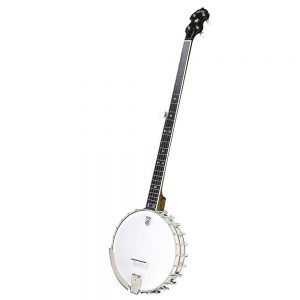
The long neck banjo — sometimes called the Pete Seeger banjo — adds three extra frets to the headstock end of the neck, extending the scale and lowering the open tuning by three semitones. The lower register makes group singalongs more comfortable without a capo, since the pitch suits a wider range of singing voices naturally.
- Best for protest folk, campfire settings, and political folk revival contexts
- Less common in modern folk scenes — mostly found used or through specialty builders
- Not the right tool for old-time jams or Celtic sessions, where standard tuning is expected
- A niche instrument, but an important one for folk purists focused on the Seeger tradition
Quick Wins for a Fuller Folk Banjo Sound
A few targeted adjustments make a bigger difference than most players realize. None of these require a luthier visit or specialized tools.
Setup Adjustments That Make a Real Difference
- Lower head tension slightly — over-tightened heads produce a thin, harsh tone instead of the warm folk sound most players want
- Check bridge placement: the 12th fret harmonic should match the fretted 12th fret pitch. Slide the bridge forward or back in small increments until they align.
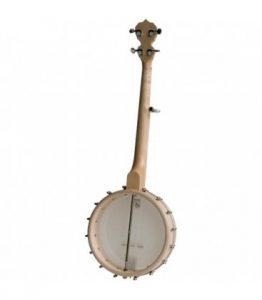
- Adjust the coordinator rod (the internal metal brace inside the drum pot) to control neck angle and action height — small changes make a big difference in playability
- Switch to a lighter string gauge — .009–.020 sets produce cleaner, brighter tone for folk playing compared to heavier gauges
Technique Basics That Improve Tone Fast
- Clawhammer players: keep the wrist loose at all times. Tension in the hand kills tone and leads to repetitive strain injuries over time.
- Strike strings with the back of the fingernail on the downstroke — not the fingertip, which produces a dull thud instead of a clean ring
- Let the thumb work the 5th drone string consistently. That drone is what defines the folk banjo sound.
- Practice the picking pattern at half speed with a metronome until it becomes automatic, then gradually increase tempo
Right-hand technique carries more weight than left-hand fingering in folk banjo — a principle that holds across all plucked string traditions, including those explored by leading folk and roots mandolin players who built their sound on precision attack rather than fast fretting.
Essential Gear Every Folk Banjo Player Needs
The banjo is just the start. A small set of accessories makes practice more productive and helps the instrument last significantly longer.
Strings and Picks
- Strings: light-gauge nickel or phosphor bronze sets made specifically for 5-string banjo. D'Addario EJ55 and GHS PF135 are standard, reliable folk choices.
- Replace strings every 3–6 months depending on how often the instrument is played — dead strings kill tone faster than any other variable
- Fingerpicks (metal) and a thumbpick: used for Scruggs-style three-finger picking. Clawhammer players typically use no picks or a thumbpick only.
- Capo: essential for matching pitch with other instruments at sessions and jams — the Kyser and G7th models both work well on banjo headstocks
Accessories Worth Having
- Electronic clip-on tuner: the Snark or D'Addario NS Micro both clip to the headstock and read accurately even in loud jam environments
- Gig bag or hard case: banjo heads are sensitive to humidity and physical impact — a case is non-negotiable for transport
- String winder: speeds up restringing considerably, which becomes relevant with regular playing schedules
- Graphite pencil or nut lubricant (Nut Sauce): applied to nut slots to reduce the tuning slippage that plagues most banjos at the headstock
- Spare bridge: a thin replacement bridge kept in the case bag saves an entire session if the main bridge warps or breaks unexpectedly
What a Folk Banjo Really Costs
The folk banjo market runs from under $150 for student-grade instruments to over $2,000 for professional builds. The table below maps each price tier to realistic expectations so buyers know what they're actually getting.
Budget Tiers Explained
| Price Range | Build Quality | Best For | Example Instruments |
|---|---|---|---|
| Under $200 | Plywood pot, basic friction pegs, rough fretwork — functional but will need a professional setup to play well | First-time players testing whether the instrument suits them before committing | Gold Tone CC-50, Jameson 5-String |
| $200–$500 | Maple or mahogany rim, improved planetary tuners, better head quality and more consistent fretwork | Committed beginners and early intermediate folk players | Deering Goodtime 2, Gold Tone CC-50TF |
| $500–$1,000 | Solid hardware throughout, quality pot construction, good intonation out of the box | Serious folk players who jam or perform on a regular basis | Gold Tone OB-250, Recording King RK-OT25 |
| $1,000–$2,000 | Professional-grade materials, hand-fitted components, superb tone and sustain | Advanced players and working performers who need an instrument that holds up nightly | Deering Sierra, Ome Juniper |
| $2,000+ | Custom work, boutique builders, heirloom-grade construction and finishing | Collectors and professional recording artists with specific tonal requirements | Prucha custom, Ome custom builds |
Where to Buy
- Local music stores: hands-on testing before committing — the safest option for any first-time buyer
- Specialty acoustic instrument shops: staff with genuine banjo expertise and access to boutique brands not found in chain stores. This interview with Henry Riedstra from Riedstra's Violin Shop illustrates exactly how specialist dealers approach helping buyers find the right acoustic instrument.
- Reverb.com: the most reliable online marketplace for used mid-range and vintage folk banjos — always request detailed photos of the head, nut, and neck joint
- Avoid big-box retailers for anything above the beginner tier — staff rarely carry specific folk banjo knowledge and the instrument selection is limited
Fixing Common Folk Banjo Problems
Most folk banjo problems trace back to a handful of recurring causes. Correct diagnosis saves money and practice time.
Tuning Instability
Symptom: The banjo goes out of tune within minutes of being tuned.
- Worn or cheap tuners: planetary-style tuners hold pitch far more reliably than friction pegs on older instruments. An upgrade costs $30–$80 and permanently fixes most chronic tuning problems.
- Nut slots too narrow: strings bind in the nut and spring back when released. Widen the slots with a nut file, or rub a soft pencil into the slot as a quick fix — graphite acts as a dry lubricant.
- New strings stretching: fresh strings need 30–60 minutes of active stretch-tuning before they stabilize. Tune up, gently pull each string away from the fretboard, retune, and repeat three to four times.
Buzzing and Dead Notes
Symptom: Specific frets buzz or notes die out unexpectedly.
- High fret: one fret sits higher than its neighbors, causing unintended string contact. This requires fret leveling by a qualified luthier — not a DIY fix for most players.
- Misplaced bridge: a bridge in the wrong position throws off intonation across the entire neck. Adjust by sliding it forward or back until the 12th fret harmonic matches the fretted 12th.
- Loose head: insufficient head tension creates a muddy, buzzy tone. Tighten the head bolts (the nuts around the drum perimeter) in small, even increments — a quarter turn at a time, working opposite sides.
- Loose coordinator rod: the internal metal brace can rattle if the nuts at both ends are not snug. A simple tightening with a wrench eliminates internal buzz instantly.
Keeping the Folk Banjo in Playing Shape
A consistently maintained banjo sounds better and lasts decades longer than a neglected one. The routine takes less than five minutes after most sessions.
Daily and Weekly Care
- Wipe strings with a dry cloth after every session — sweat and skin oils corrode nickel strings within days of heavy playing
- Store the banjo in its case when not in active use — even a basic gig bag prevents the humidity swings and dust buildup that degrade tone over time
- Wipe the fretboard with a slightly damp cloth (not soaking wet) once a week to remove grime and sweat buildup around the frets
- Never leave a banjo near a heat source — radiators, heating vents, and direct sunlight all warp the head and dry out the neck, causing cracks that are expensive to repair
Long-Term Maintenance
- Maintain 45–55% relative humidity in the storage area — too dry cracks the head; too wet causes swelling and warping of the wooden components
- Check head tension at the start of each season. Temperature and humidity shifts change the tension noticeably, and a slack head loses projection quickly.
- Annual luthier visit: a technician should check neck angle, fret condition, and bridge fit once a year for players who gig or jam regularly
- Head replacement: a mylar banjo head lasts 5–10 years under regular play before tone begins to degrade in a noticeable way
- Apply two or three drops of lemon oil to unfinished rosewood or ebony fretboards once a year to prevent drying and surface cracking
Next Steps
- Identify the folk tradition that fits best — old-time American, Celtic, or singalong folk — and match it to the correct banjo type (5-string open-back, tenor, or long neck) before purchasing anything.
- Set a realistic budget using the cost table above, then visit a local acoustic music store or specialty shop to play at least two instruments in that price range before committing to one.
- Learn one song from the classic folk song catalog in open G tuning — this serves as a direct test of whether the chosen banjo's tone and playability match the intended repertoire.
- Pick up a clip-on tuner, a spare set of strings, and a basic gig bag at the same time as the banjo — these three items prevent the most common beginner frustrations in the first month of playing.
- Schedule a setup with a local luthier if the instrument arrives with high action or rough fretwork — a $50–$80 professional setup transforms a mediocre instrument into a genuinely playable one and makes the early learning stages far less discouraging.


About Dave Fox
Dave Fox (also known as Young Coconut) is a musician, songwriter, and music historian who has been making and studying music across genres for over twenty years. His work spans experimental, jazz, krautrock, drum and bass, and no wave — a breadth of listening that informs his writing about musical history, gear, and the artists who push sound in unexpected directions. At YouTubeMusicSucks, he covers music history and genre guides, musician interviews, and music production resources for listeners and players who want more than the mainstream offers.
Check for FREE Gifts. Or latest free acoustic guitars from our shop.
Remove Ad block to reveal all the rewards. Once done, hit a button below