Is Banjo Easier or Harder than Guitar?
by Jay Sandwich
Guitar Maintenance
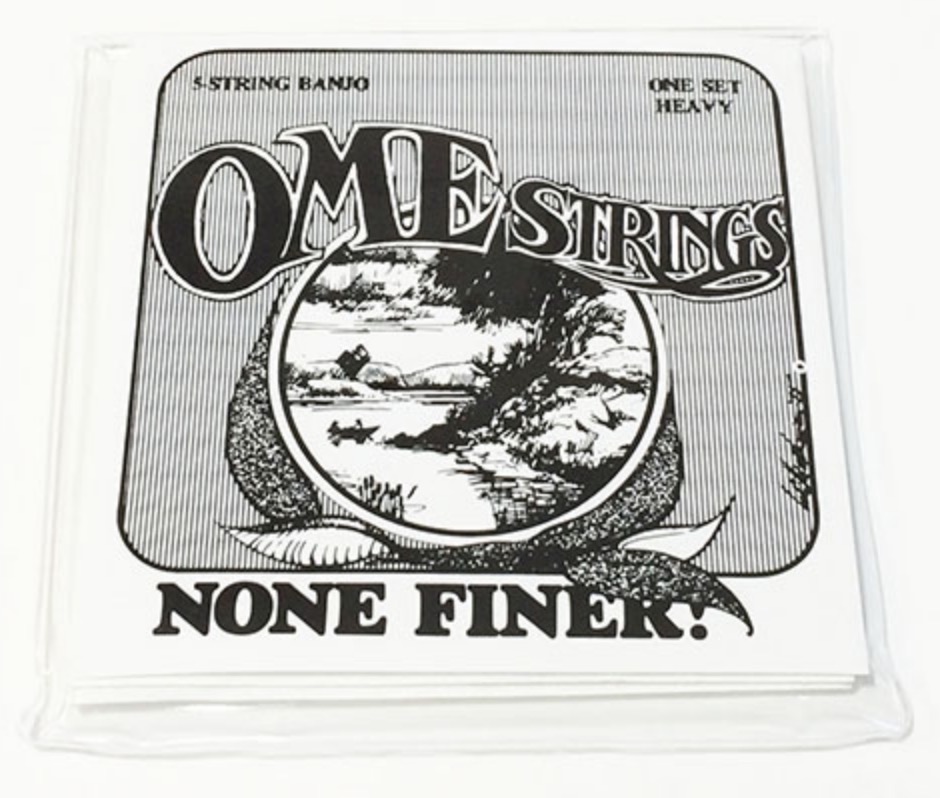
- String changes: Change strings every 3 months or after roughly 100 hours of playing. Old strings go dead and make intonation worse across the board.
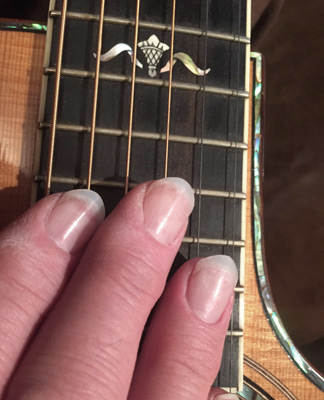
- Humidity control: Acoustic guitars are vulnerable to humidity swings. Keep yours in a case with a humidifier in dry climates to prevent top cracks and neck warping.
- Truss rod: Seasonal neck relief changes are normal. Learn to check for a slight bow and how to make minor truss rod corrections — or have a luthier do an annual setup.
- Nut and saddle: If open strings buzz or go sharp after tuning up, the nut slots may need filing. Most local luthiers handle this quickly and inexpensively.


Practice Habits That Actually Work
The biggest factor in your progress won't be the instrument — it'll be how consistently you show up. Here's what works regardless of which you choose.
Building a Consistent Routine

- Practice daily, even for 15 minutes. Short daily sessions outperform long infrequent ones every time. Muscle memory builds through repetition over days and weeks, not volume in a single sitting.
- Start slow on new techniques. For banjo rolls or guitar chord transitions, nail the motion at half speed first. Clean at slow tempo beats sloppy at full speed.
- Use a metronome. Timing is the first thing to fall apart under pressure. A metronome keeps you honest from the very beginning.
- Learn actual songs, not just exercises. Scales and drills have their place, but staying connected to real music keeps motivation from drying up.
- Record yourself periodically. You'll catch things in a recording that you completely miss while playing. Even a phone recording reveals a lot.
Gear That Supports Your Practice
- Banjo players: Invest in quality metal finger picks from the start. Cheap plastic picks slip and wear fast. National and Dunlop both make reliable options worth the few extra dollars.
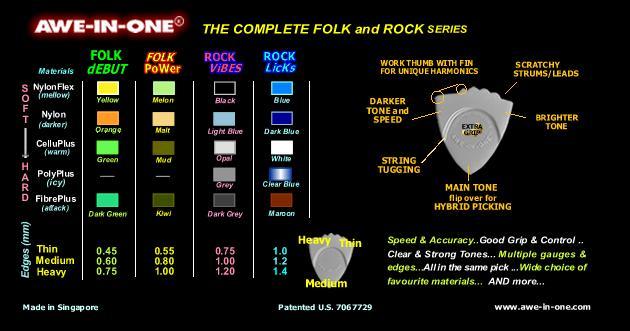
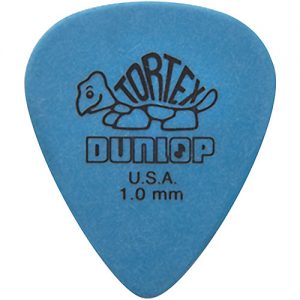
- Guitar players: Match your pick thickness to your playing style. Thinner picks suit strumming; heavier gauges work better for single-note work and flatpicking.
- Both instruments: Keep a clip-on tuner on your headstock at all times. Practicing out of tune builds bad ears faster than almost anything else.
- Both instruments: A simple music stand prevents the slouching posture habits that lead to shoulder and wrist problems over time.
Frequently Asked Questions
Is banjo easier than guitar for absolute beginners?
It depends on the style. Clawhammer banjo has a gentler early learning curve than conquering barre chords on guitar. Scruggs-style picking, however, demands right-hand coordination that many beginners find genuinely challenging. Neither instrument is universally easier — your goals and learning style matter more than the instrument itself.
Can a guitar player pick up banjo without starting from scratch?
Some things transfer — basic music theory, left-hand finger strength, and a general sense of rhythm. But right-hand technique is largely different, and open G tuning reshapes chord shapes significantly. Expect a real adjustment period even if you're already a competent guitarist.
Is banjo or guitar better for playing with other people?
Guitar wins here by a wide margin. Its versatility across genres makes it easy to sit in with almost any group. Banjo fits naturally into bluegrass, folk, and old-time jams, but adapting it to other contexts takes more work and creativity on your part.
How long does it take to play a simple song on each instrument?
On guitar, most beginners can manage a simple 3-chord song within a few weeks of consistent practice. On banjo, a recognizable clawhammer tune can come together in a similar timeframe. Scruggs-style tends to take longer to sound clean. Either way, daily practice is the single biggest variable.
Do I need lessons or can I learn on my own?
Both instruments are learnable through online resources, YouTube, and apps. That said, a few early in-person lessons can prevent technique problems — especially around right-hand positioning on banjo and left-hand posture on guitar — that become much harder to fix once they're ingrained.
The easiest instrument is the one you actually pick up and play every single day.


About Jay Sandwich
Jay Sandwich is a guitarist and modular synthesizer enthusiast whose musical life has taken him from shredding electric guitar to deep-diving the world of modular synthesis and experimental sound design. He brings a player perspective to music gear coverage — practical, opinionated, and grounded in years of actual playing experience across different setups and styles. At YouTubeMusicSucks, he covers guitar gear, rig rundowns, and musician interviews with the candid perspective of someone who has spent serious time on both sides of the instrument.
Check for FREE Gifts. Or latest free acoustic guitars from our shop.
Remove Ad block to reveal all the rewards. Once done, hit a button below