Dave Navarro Guitar Setup And Rig Rundown
by Dave Fox
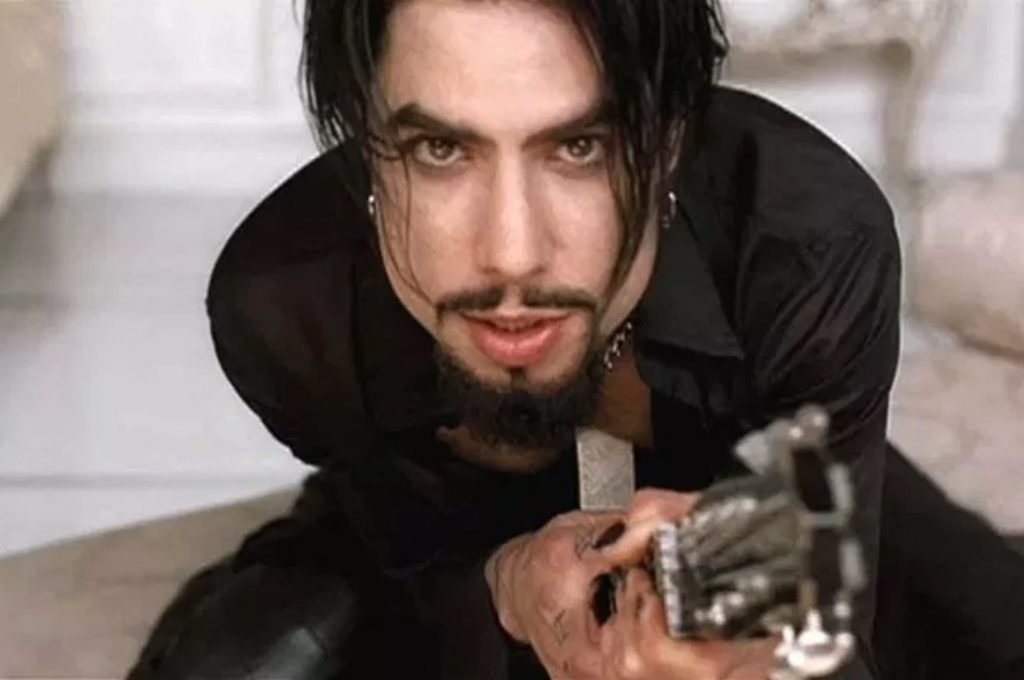
The Dave Navarro guitar rig is built around thick, layered high-gain tones, shimmering modulation, and a wah pedal that's practically a third hand. If you want the quick version: PRS Custom 24s into Marshall JCM900s and Bogner Überschalls, with a pedalboard full of wah, overdrive, and chorus. That combination is what makes his sound immediately recognizable across thirty-plus years of rock.

Navarro made his name with Jane's Addiction, where his layered guitar work on albums like Nothing's Shocking became the blueprint for a whole generation of alternative rock tone. His setup has always been unapologetically theatrical — big amps, dramatic pedal swells, and guitars that look as good as they sound. For more rig breakdowns like this, browse our music gear section. And if you want a strong comparison point, the Billy Gibbons guitar setup and rig rundown shows a completely different approach to building a signature sound that's just as effective.
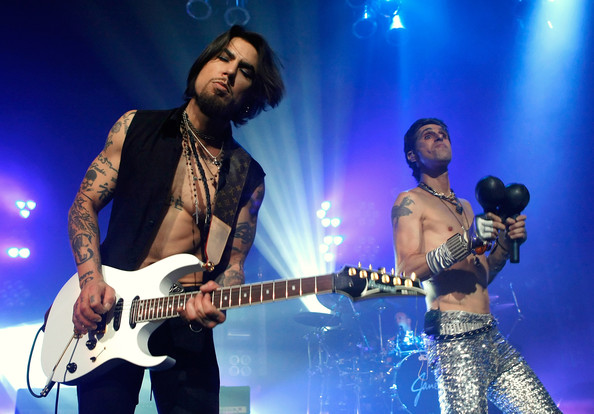
Understanding his rig isn't just about gear-spotting. It tells you how he thinks about music — texture, dynamics, and identity all rolled into one signal chain. Let's break it all down, piece by piece.
Contents
- What Dave Navarro's Guitar Rig Gets Right (and Where It Gets Expensive)
- Dave Navarro Guitar Rig Myths You Can Stop Believing
- Tone Tricks You Can Steal From Navarro's Pedalboard
- How Navarro Built a Rig That Defines His Identity
- Dave Navarro's Guitars: A Side-by-Side Comparison
- When the Dave Navarro Sound Actually Works for You
- Keeping a Complex Rig Stage-Ready
- Frequently Asked Questions
- Key Takeaways
What Dave Navarro's Guitar Rig Gets Right (and Where It Gets Expensive)
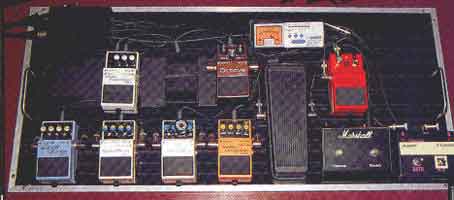
The Dave Navarro guitar rig is a professional-grade setup that prioritizes tone and stage presence over cost or convenience. That's worth knowing upfront — this is not a budget-friendly rig, and replicating it component-for-component will run you thousands of dollars. But the principles behind it are absolutely worth studying, even if you're working with a fraction of the budget.
The Strengths of His Approach
Navarro's rig does several things exceptionally well:
- Layered amp tones — running multiple amps simultaneously creates depth and dimension you simply can't get from a single head and cab.
- Wide dynamic range — he moves from clean shimmer to full-stack roar without switching guitars mid-song.
- His PRS guitars respond beautifully to pick attack, which means he controls gain staging partly through his right hand — not just knobs and pedals.
- The effects chain is logically ordered. Wah first, then drive, then modulation — it keeps things clear and controllable even at high volumes.
- The rig has real visual identity. On a dark stage, it commands attention before he plays a single note.
The Drawbacks You Should Know About
There are genuine trade-offs here that you shouldn't ignore:
- It's heavy, loud, and expensive to transport and maintain on the road. Multiple amp heads mean a dedicated crew.
- Blending two amps live takes experience. One amp even slightly out of phase and the whole sound turns muddy.
- The Bogner Überschall is brutally loud at usable gain levels — it's not practical for a bedroom or small club without serious attenuation.
- An effects-heavy rig is only as good as its power supply. One bad unit and your whole board goes dark mid-set.
Dave Navarro Guitar Rig Myths You Can Stop Believing
The PRS-Only Myth
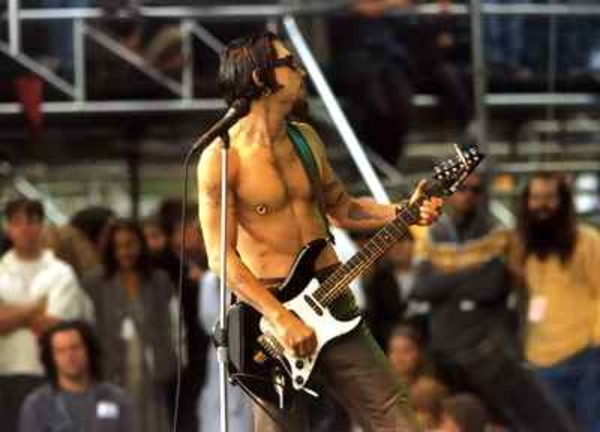
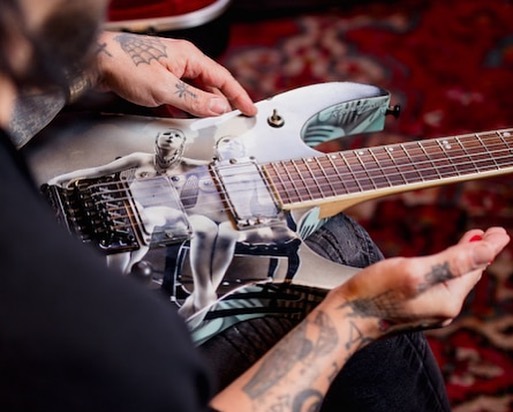
Yes, Navarro is closely linked to PRS guitars — especially the Custom 24. But he's played a much wider range than most people realize. He's been photographed with Ibanez models, a Modulus Strat-style guitar with a graphite-reinforced neck, Yamaha acoustics for songwriting, and even a Hello Kitty Squier Stratocaster for the sheer fun of it. Don't let the PRS endorsement fool you into thinking he's a one-guitar player.

The "More Gain Equals Better Tone" Myth
Navarro's amps run hot, but he is not drowning in gain. His overdrive pedals are used to push amp saturation, not to pile fuzz on top of fuzz. The actual character of his tone comes from amp breakup — the natural distortion of tubes being pushed hard — not from maxed-out pedal gain. If you crank the gain knob on a cheap distortion pedal and wonder why it sounds nothing like him, that is exactly why.
Tone Tricks You Can Steal From Navarro's Pedalboard
You don't need his exact gear to get practical lessons from how Navarro uses effects. These principles translate to almost any rig at any budget. If you're newer to stomping on things, our beginner's guide to guitar pedals is a solid foundation before diving deeper into his signal chain logic.
Lead With Wah and Modulation
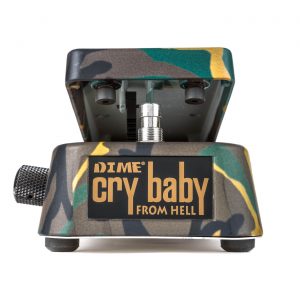
Navarro uses the Dunlop Cry Baby wah aggressively — not just for solos but as a rhythmic texture tool. He'll plant the wah in a fixed mid-position to function as a filter, brightening or darkening the signal without fully sweeping it back and forth. Try this on your own rig. Hold the wah at a fixed angle during a rhythm part and notice how it changes the character of every chord. It's a simple technique that adds immediate personality to your playing.
Overdrive Into High Gain
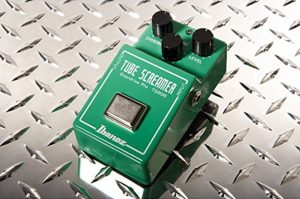
Navarro runs a Tube Screamer-style overdrive — most notably an Ibanez TS808 — into an already-driven amp. The pedal compresses the signal and pushes the amp into tighter, more focused saturation, rather than just adding more distortion on top. Set the gain knob low on your overdrive and boost the output level instead. This is the single technique that separates a tight, articulate high-gain tone from a flabby, undefined mess. It works on every amp.
How Navarro Built a Rig That Defines His Identity
Early Rig Decisions That Stuck
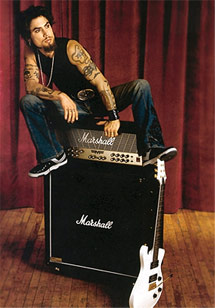
When Jane's Addiction broke out in the late '80s, Navarro was running Marshall JCM900 heads — a staple of alternative and hard rock at the time. That amp has a naturally scooped midrange (meaning the mid frequencies are slightly recessed, giving it a scooped, hollow character), which paired perfectly with the dense low end of Perry Farrell's arrangements. It gave the band that cavernous, cinematic quality that set them apart from the thrash and glam metal crowding the same era.
Evolving Without Losing the Core
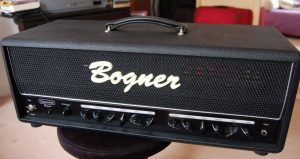
As his career progressed — through the Red Hot Chili Peppers stint, solo work, and Jane's Addiction reunions — Navarro added Bogner Überschalls and more boutique signal chain components. But he never abandoned the Marshall entirely. The lesson here is to evolve your rig by layering onto it, not by gutting it. Your signature sound is something you build over years of playing. Chasing whatever's trendy this season will leave you sounding like nobody in particular.
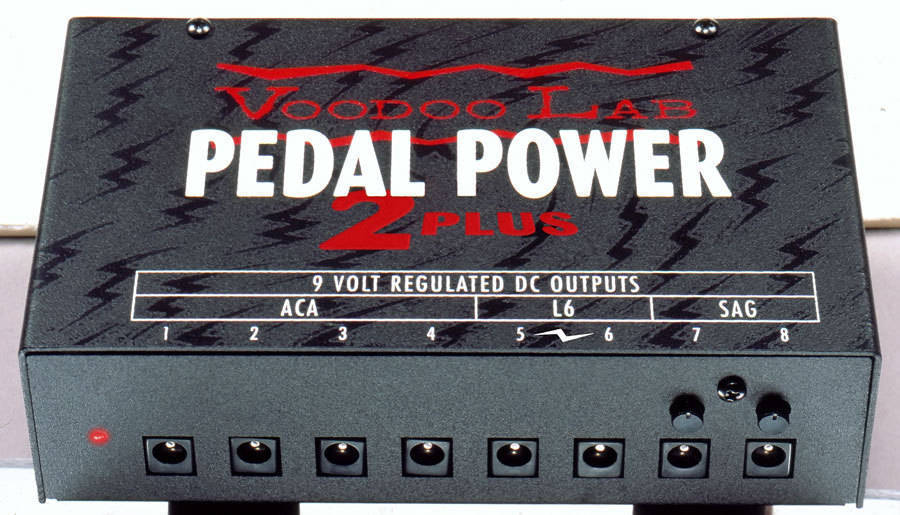
His pedalboard power supply — a Voodoo Lab Pedal Power II Plus — is a good example of this philosophy in action. It's not glamorous gear. Nobody posts photos of their power supply on Instagram. But it's the kind of professional-grade component that keeps everything else running reliably every single night.
Dave Navarro's Guitars: A Side-by-Side Comparison
PRS, Modulus, Ibanez, and More
Navarro has used a surprisingly diverse range of instruments over his career. Here's how they break down across his key roles and tones:
| Guitar | Type | Pickups | Primary Role | Best For |
|---|---|---|---|---|
| PRS Custom 24 | Electric solidbody | PRS Dragon II humbuckers | Main stage guitar | High-gain lead and rhythm tones |
| Modulus Strat-style | Electric (Strat body, graphite neck) | Single-coil style | Studio and touring variation | Rock-solid tuning stability, cleaner attack |
| Ibanez (various) | Electric solidbody | Humbuckers | Reunion shows and guest spots | Fast playability, metal-ready response |
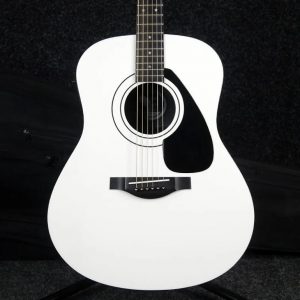
| Yamaha LLX6-DN | Acoustic-electric | Piezo pickup and onboard preamp | Acoustic passages and songwriting | Warm acoustic tone with live stage capability |
| Hello Kitty Squier Stratocaster | Budget electric | Single-coils | Novelty and public demonstrations | Proving that player identity beats gear price |
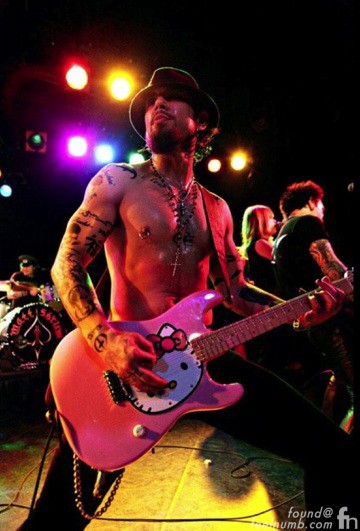
That Hello Kitty Squier wasn't just a gag. Navarro used it publicly to make a serious point: a great player sounds like themselves on almost any guitar. If you want to go deeper on how pickup selection shapes tone, our guide to the best Strat pickups for blues and classic rock gives you a practical starting point for understanding exactly what's happening inside the instrument.
When the Dave Navarro Sound Actually Works for You
Where It Excels
The Dave Navarro guitar rig approach is ideal for specific playing contexts. It's not for everyone — but when it fits, it fits hard:
- Alternative and art-rock bands — the multi-amp approach creates a huge, stage-filling sound that smaller rigs simply can't match.
- Bands that move between heavy and atmospheric sections — his rig transitions from clean shimmer to crushing gain without stopping to switch guitars.
- Players who use wah and modulation as ongoing expressive tools rather than occasional solos-only flourishes.
- Studio recording where tonal density, layering, and textural complexity are worth the extra setup time.
- Live performers who want their rig to have visual impact as well as sonic impact — aesthetics matter on stage more than most players admit.
Where It Struggles
Be honest about where this approach doesn't serve you:
- Small stages and quiet rooms — two amp heads running at performance volume is physically impractical and will get you thrown out of half the venues you play.
- Country, jazz, or clean-tone styles where the rig's inherent saturation actively works against the music.
- Minimalist setups — this rig demands real technical commitment and road-tested maintenance discipline to run correctly.
Keeping a Complex Rig Stage-Ready
Signal Chain and Cable Management
A rig as complex as Navarro's lives or dies by cable quality and signal chain discipline. Cheap cables introduce noise, especially when you're running multiple pedals and two amp heads simultaneously. Replace cables before they fail, not after. His Voodoo Lab Pedal Power II Plus isolates each pedal's power supply individually, which eliminates ground loop hum (a low buzzing noise caused by multiple devices sharing the same electrical ground). Isolated power is the single biggest upgrade most pedalboards need and the one most players skip because it isn't exciting to buy.
Amp and Tube Maintenance
Both the Marshall JCM900 and the Bogner Überschall are high-gain tube amps (tube amps use glass vacuum tubes to amplify the signal, unlike solid-state transistor amps). Tubes wear out with use. If your amp suddenly sounds flabby, lacks punch, or develops an unusual hum, the power tubes are almost certainly due for replacement. Keep a matched spare set of power tubes for each amp head. Bias your new tubes properly — biasing means setting the correct idle current through the tubes, which if done wrong will make the amp sound off and can physically damage the circuit over time. This is basic maintenance that most players ignore completely until something breaks mid-tour.
Frequently Asked Questions
What guitars does Dave Navarro use most often?
Navarro is most closely associated with PRS Custom 24 guitars, particularly models loaded with Dragon II humbuckers. He has also played Ibanez instruments, a Modulus Strat-style guitar, Yamaha acoustics, and various custom pieces depending on the project.
What amplifiers does Dave Navarro use?
His core amp heads have been the Marshall JCM900 and the Bogner Überschall. Running both simultaneously gives his sound that dense, layered character. He typically drives these through Marshall 4x12 speaker cabinets.
What pedals are on Dave Navarro's pedalboard?
Key pedals include a Dunlop Cry Baby wah, an Ibanez TS808 Tube Screamer overdrive, chorus and modulation effects, delay, and a Voodoo Lab Pedal Power II Plus for clean, isolated power across the whole board.
Can you get the Dave Navarro sound without his exact gear?
Yes. The core approach is a high-gain amp pushed by a low-gain, level-boosted overdrive, a wah used both as a sweep and a fixed filter, and modulation placed after the drive in the signal chain. The brands matter far less than the signal chain logic.
Did Dave Navarro use the same rig with the Red Hot Chili Peppers as with Jane's Addiction?
Not exactly. His RHCP-era tone was slightly cleaner and more dynamic in places, reflecting the band's funk-rock approach. But the Marshall foundation and PRS guitar pairing remained consistent across both bands throughout his tenure.
What strings does Dave Navarro use?
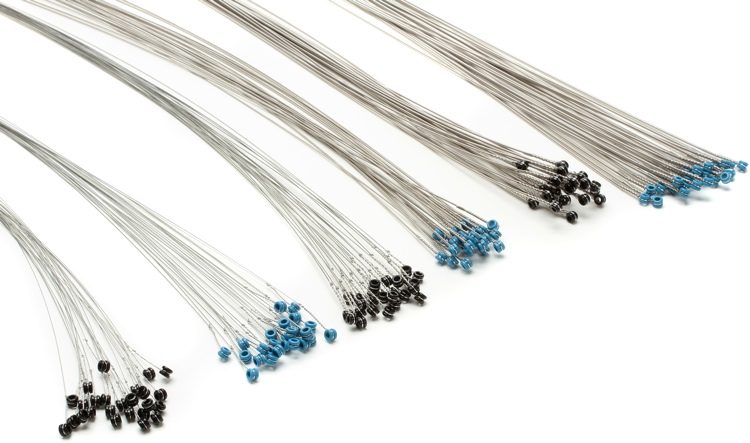
Navarro has been associated with Dean Markley strings in a medium gauge. Medium strings balance playability with the tonal thickness his high-gain setup demands — lighter strings tend to go thin and shrill when you're pushing a lot of amp saturation.
Key Takeaways
- The Dave Navarro guitar rig centers on PRS guitars, Marshall JCM900 and Bogner Überschall amp heads, and a logically ordered pedalboard built around wah, overdrive, and modulation.
- The most transferable technique from his setup is using a low-gain overdrive to tighten and focus a high-gain amp rather than stacking distortion on top of distortion.
- Navarro has played many guitars beyond PRS — his sound comes from playing philosophy and signal chain thinking, not from any single instrument.
- A complex multi-amp rig demands serious maintenance commitment, especially isolated power supply management and proactive tube replacement before problems show up on stage.


About Dave Fox
Dave Fox (also known as Young Coconut) is a musician, songwriter, and music historian who has been making and studying music across genres for over twenty years. His work spans experimental, jazz, krautrock, drum and bass, and no wave — a breadth of listening that informs his writing about musical history, gear, and the artists who push sound in unexpected directions. At YouTubeMusicSucks, he covers music history and genre guides, musician interviews, and music production resources for listeners and players who want more than the mainstream offers.
Check for FREE Gifts. Or latest free acoustic guitars from our shop.
Remove Ad block to reveal all the rewards. Once done, hit a button below