Interview with Sarah Jane Curran of The Violet Stones
by Jay Sandwich
The Sarah Jane Curran interview is one of the most candid conversations our team has had with an independent musician in a long time. Curran is the vocalist, guitarist, and primary creative engine behind The Violet Stones — a four-piece indie rock outfit building a reputation for raw guitar textures and emotionally unguarded lyrics. Our team sat down with her for a wide-ranging discussion covering her band's origins, her recording process, gear choices, and the honest challenges of sustaining an independent act. Everything covered here also lives in our music articles section for easy reference.

The Violet Stones don't fit neatly into a single category, which is part of what makes talking to Curran interesting. She's thoughtful about why the band sounds the way it does, and she's equally thoughtful about the practical realities — lineup pressures, release strategies, recording tradeoffs — that most musician interviews skip entirely. What our team pulled from this conversation is genuinely useful for anyone who follows independent music closely or makes it themselves.
This piece walks through the Sarah Jane Curran interview across five areas: the band's background and influences, where their music fits for listeners, how Curran actually builds songs from scratch, her gear philosophy and production tips, and the specific challenges The Violet Stones have faced and worked through. Our team has linked relevant deep-dives throughout for anyone who wants to follow a thread further.
Contents
The Story Behind The Violet Stones
Band Origins and Early Influences
Most bands have a founding myth — some version of "we jammed in a room and it just clicked." The Violet Stones have a version of that story too, but Curran frames it differently. Our team noticed she traces the band's identity not to a single moment but to a collection of records that all four members independently loved long before they played together. Shared listening history turned out to be the real foundation.
The influences she named in the Sarah Jane Curran interview covered real ground:
- Silverchair's early raw energy and emotionally dense songwriting
- The lo-fi aesthetic of mid-period indie rock recordings
- Classic alternative acts that prioritized emotional impact over technical polish
- Experimental production approaches from electronic artists — our team has a full breakdown in Who Is Aphex Twin? for anyone curious about how that influence seeps into guitar-based music
The 90s Alternative Connection
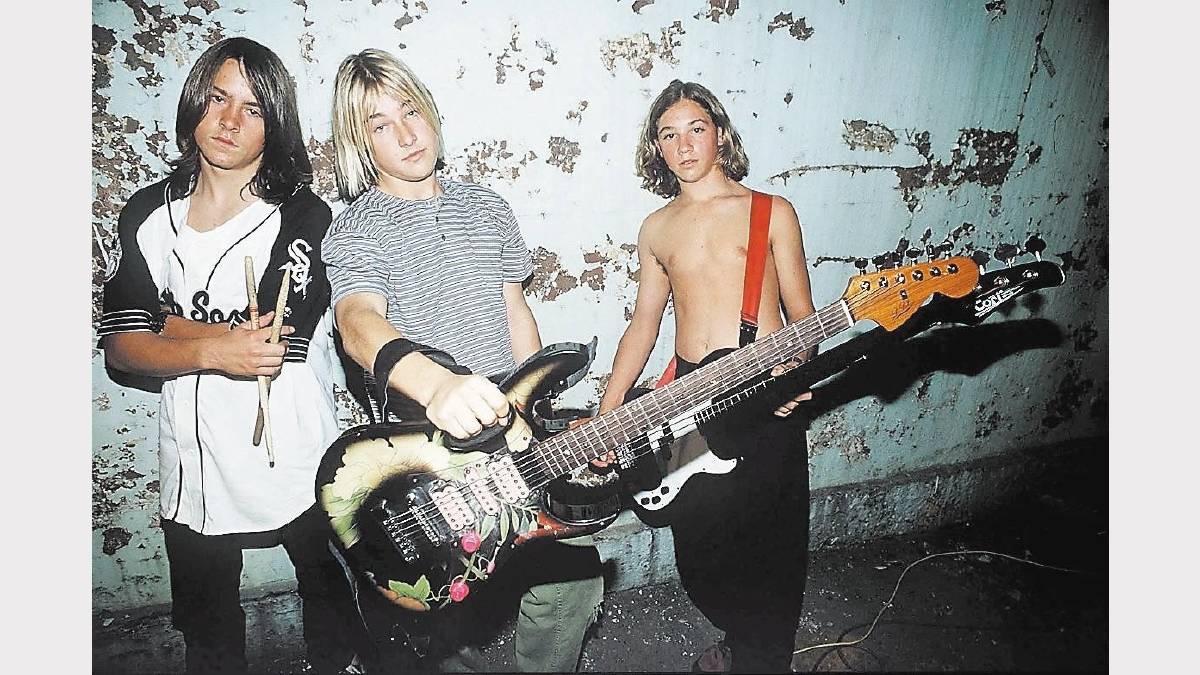
Curran was direct about it: the band grew up on 90s alternative rock and makes no effort to disguise that. Our team found the honesty refreshing — a lot of modern indie acts dance carefully around their reference points. The Violet Stones name bands like Silverchair and early Korn as genuine touchstones without treating them as blueprints. The goal, as Curran described it, is to carry the emotional directness of that era while writing songs that belong to the present moment rather than recreating the past.
That means big dynamics, lyrically honest writing, and guitar tones that haven't been sanitized for streaming playlists. It also means the band is comfortable sitting in ambiguous sonic territory — not quite heavy, not quite soft, landing somewhere most listeners find immediately familiar but hard to classify cleanly.
Where The Violet Stones Fit in Today's Music
Who Connects with Their Music
In the Sarah Jane Curran interview, our team asked directly: who is the audience? Curran didn't offer a neat demographic answer, which actually made her response more useful. She described listeners who grew up with 90s rock but feel like current mainstream music doesn't speak to them. Most people in that situation end up caught between nostalgia and the ongoing search for something current that scratches the same itch.

The Violet Stones sit comfortably in that gap. Based on what Curran described, their music tends to connect in specific listening contexts:
- Late-night sessions where quieter, atmospheric indie feels right without tipping into ambient territory
- Road playlists that need emotional weight without sustained heaviness
- Background listening during creative work — present enough to have character, not so demanding it pulls focus
- Live settings where the dynamic contrast between quiet verses and louder choruses rewards full attention
Live vs. Studio Energy
One of the more interesting threads in the Sarah Jane Curran interview was the question of live vs. studio performance. Curran sees them as genuinely separate disciplines rather than variations of the same thing. The studio version of a Violet Stones song is a document; the live version is the actual event. Most bands either treat the record as the definitive version or approach the stage purely as a recreation of what's on tape. Curran's thinking sits between those poles in a way our team found worth examining.
The band intentionally leaves room in arrangements for what happens in a room with an audience. That means the recorded versions are sometimes sparser than what gets played live — a deliberate choice that runs counter to how most modern indie acts work.
Curran on Building Songs Step by Step
The Songwriting Process
Most musicians describe songwriting as either entirely spontaneous or rigidly structured. Curran sits firmly in neither camp. Our team walked through her process in detail during the interview, and the picture that emerged is closer to a loose framework — starting points that keep sessions from going nowhere, without locking things down before the song has a chance to find its own shape.
Her typical starting points include:
- A guitar riff or chord movement captured on a phone — no production polish, just the core idea
- A lyrical fragment, sometimes a single line or image, that suggests an emotional direction
- A rhythmic feel established before any melody appears
- Collaborative arrangement sessions where band members add parts without instruction from Curran first
Anyone wrestling with whether to commit a batch of these drafts to an EP or full album will find our breakdown of Should I Make An Album or EP? worth reading — the tradeoffs Curran described in our conversation map almost exactly to what our team covered there.
From Demo to Final Track

Curran walked our team through the full arc from rough idea to finished track. The Violet Stones keep demos intentionally rough — capturing energy and feeling rather than performance precision — and then make deliberate decisions at each stage about what to refine and what to leave alone. The rough edges in their final recordings aren't accidents; they're choices.
| Stage | Method or Tool | Primary Goal |
|---|---|---|
| Initial capture | Phone voice memo or basic interface | Lock in the feeling, not the performance |
| Band arrangement | Rehearsal room, minimal overdubs | Find the natural shape of the song together |
| Pre-production demo | Home DAW (digital audio workstation), scratch vocals | Identify what the track actually needs |
| Studio tracking | Live room, low take count | Capture full-band performance energy |
| Mix decisions | Collaboration with engineer | Protect the rough edges that earned their place |
Microphone placement came up as a specific conversation point. Curran mentioned the band had experimented with different setups for both acoustic and electric tracking. Anyone who wants to dig into that side of things will find our guide on the best microphones for recording acoustic guitar useful — several of the principles Curran described align closely with what our team covered there.
Gear Insights and Creative Tips from the Sarah Jane Curran Interview
Curran's Guitar Setup
Gear talk landed naturally in the conversation. Our team asked about her live and studio rig without pushing for a full technical inventory — the goal was understanding the thinking behind the choices rather than cataloguing equipment for its own sake.
Curran runs a notably minimal setup by indie rock standards:
- A vintage-style electric with single-coil pickups, modified over several years of use
- A small pedalboard built around drive and modulation — nothing extravagant
- A medium-wattage tube amplifier pushed into natural breakup at moderate stage volumes
- A clean boost for solo sections — our team covered this tool in depth when examining what clean boost pedal John Mayer uses
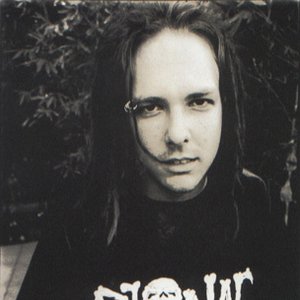
The philosophy behind the setup is restraint. Curran's position is that most players reach for more gear when they should reach for a stronger song idea or better technique. A minimal rig forces clarity about what a guitar part actually needs to do, which is a discipline that pays off at every stage from writing through live performance. Our team has seen similar thinking from players like Jack White — the full breakdown in our Jack White guitar setup and rig rundown makes for an interesting comparison.
Production Tips Worth Keeping
Curran's rule of thumb: record at least one version of every demo with the worst microphone available — it forces an honest answer about whether the song stands on its own before any production gloss enters the picture.
Beyond gear, Curran offered production thinking that most people outside professional environments rarely encounter stated so plainly. The core idea is that production decisions should serve a song's emotional goal, not compensate for weak material. Our team hears this from experienced musicians regularly. It holds up consistently.
- Commit to sounds early in the process — indecision during mixing costs more time and energy than a bold choice that turns out imperfect
- Reference tracks matter: knowing what the finished product should feel like before tracking begins saves hours of revision later
- Room sound often delivers more value than expensive gear in a home recording context
- Light compression at the tracking stage preserves more options at the mix stage
Overcoming Setbacks — The Band's Honest Challenges
Lineup Stability and Momentum
Our team asked Curran directly about the harder parts of keeping The Violet Stones running. Independent bands face a specific set of pressures that signed acts don't encounter in the same form — no tour support budget, no advance money, no label infrastructure to keep momentum going when individual motivation dips. These aren't complaints unique to The Violet Stones; they're structural realities of independent music.
Curran was straightforward about it. The band has dealt with lineup changes, gaps between releases, and stretches where external work took priority over music. She framed this not as a crisis but as a management problem — something that requires deliberate structure, not just passion and good intentions.
- Setting release deadlines that the full band agrees to in advance, rather than leaving timelines open-ended
- Treating rehearsals as fixed appointments rather than casual arrangements that shift around other commitments
- Recognizing when a creative period isn't producing anything useful and taking an actual break rather than grinding through it
Staying Independent Without Burning Out
The Sarah Jane Curran interview closed with a conversation about long-term sustainability. Most independent artists either burn out chasing momentum or slow down so much that the audience drifts and has to be rebuilt. Curran's approach prioritizes output consistency over volume — releasing on a manageable schedule rather than producing large bursts followed by extended silence.
She's also realistic about the streaming economy without being bitter about it. The Violet Stones don't expect to sustain themselves through streaming revenue alone. Income comes from live performances, sync licensing opportunities, and the kind of slow-building direct fan support that accumulates over time. It's a familiar picture for anyone paying attention to how independent music actually works financially in the current environment.
The overarching theme across the entire Sarah Jane Curran interview was intentionality. Every decision — gear philosophy, songwriting approach, recording process, release strategy — appears to come from a clear and considered idea of what The Violet Stones are trying to be. That kind of clarity is rarer in independent music than it sounds.
Next Steps
- Listen to The Violet Stones' available recordings with Curran's production philosophy in mind — pay attention to where rough edges appear deliberately and where the band leaves space in the arrangement.
- Read our breakdown of Album vs. EP tradeoffs if the songwriting structure discussion sparked questions about release format decisions for any project.
- Review our acoustic guitar microphone guide and apply Curran's "worst mic test" to any current home recording setup — it's a fast way to evaluate whether material is ready for proper tracking.
- Check our Jack White rig breakdown alongside Curran's minimal gear philosophy to see how two very different players arrive at a similar conclusion about restraint.
- Follow The Violet Stones through their active channels to track how their release strategy plays out in practice — observing how an independent band manages the consistency vs. volume balance is one of the more useful things any working musician can study.


About Jay Sandwich
Jay Sandwich is a guitarist and modular synthesizer enthusiast whose musical life has taken him from shredding electric guitar to deep-diving the world of modular synthesis and experimental sound design. He brings a player perspective to music gear coverage — practical, opinionated, and grounded in years of actual playing experience across different setups and styles. At YouTubeMusicSucks, he covers guitar gear, rig rundowns, and musician interviews with the candid perspective of someone who has spent serious time on both sides of the instrument.
Check for FREE Gifts. Or latest free acoustic guitars from our shop.
Remove Ad block to reveal all the rewards. Once done, hit a button below