Can You Make A Living Making Music For Audiojungle? – Diva Production Music Interview
by Dave Fox
According to data shared by Envato, AudioJungle's parent company, the platform's top contributors have collectively earned tens of millions of dollars from production music catalogs built track by track over years of consistent output. Royalty-free music production income has moved from obscure side-hustle territory into a legitimate full-time career path — at least for composers disciplined enough to treat it like a business. Our team at YouTubeMusicSucks sat down with Diva Production Music, a composer collective with a long-running AudioJungle catalog, to pull back the curtain on what this income stream actually looks like in practice. The conversation falls squarely within our broader coverage of the music production landscape, and the lessons here are applicable whether someone is exploring stock music for the first time or already has a handful of tracks live on the platform.
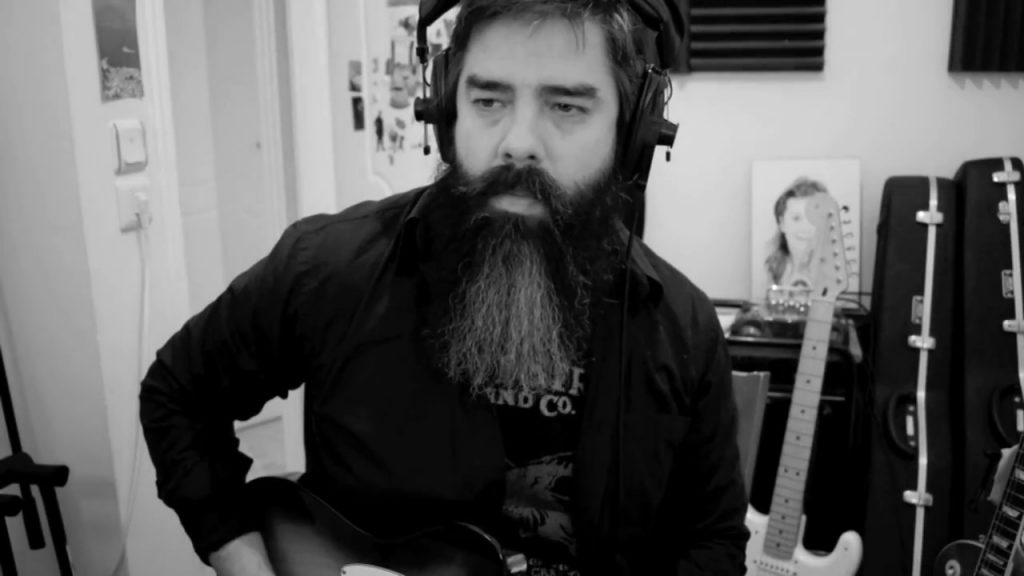
Diva Production Music runs a catalog spanning cinematic orchestral cues, corporate motivational pieces, upbeat acoustic tracks, and ambient backgrounds — precisely the genres that power YouTube channels, explainer videos, podcast intros, and brand campaigns worldwide. What made the interview compelling for our team was the candor. There's genuine money in stock music. There's also a ceiling, and reaching it demands a far deeper understanding of the platform — its search logic, buyer psychology, and quality standards — than most new composers anticipate.
We've broken the key takeaways into five areas: where stock music actually gets licensed, how to build early traction, how to keep a catalog earning consistently, what separates high earners from the rest, and what the real startup costs look like. Our experience covering this corner of the music industry makes one thing clear — patience and systems beat raw talent on platforms like AudioJungle, every single time.
Contents
- Where Royalty-Free Stock Music Finds Its Buyers
- Building Early Momentum on AudioJungle
- Keeping a Catalog Productive Over Time
- Scaling Royalty-Free Music Production Income: What Top Sellers Do Differently
- Breaking Down the Real Costs of Stock Music Production
- Frequently Asked Questions
- Final Thoughts
Where Royalty-Free Stock Music Finds Its Buyers
The Licensing Landscape for Production Music
According to Wikipedia's entry on production music, the term describes pre-recorded compositions licensed for use in broadcast, film, online video, advertising, and other media — typically purchased under flat-fee or subscription terms rather than per-use royalty arrangements. AudioJungle sits squarely in this world. Buyers on the platform include YouTube creators, podcast producers, corporate marketing departments, independent filmmakers, and app developers. They aren't audiophiles hunting for emotional depth. They're busy people who need clean, usable music with zero legal risk.
This distinction matters enormously for anyone building a stock catalog. Diva Production Music's experience makes it plain: the biggest buyers on AudioJungle care about function over artistry. A track that loops cleanly, sits well under voiceover, and tags correctly in the platform's search will outsell a more ambitious, intricate composition nearly every time. Our team found this sobering at first, then genuinely liberating — because it means the path to royalty-free music production income is learnable and systematic in ways that breaking through in the traditional music industry simply is not.
Genre Demand on AudioJungle
Genre matters more on AudioJungle than on almost any other music platform. Based on what Diva Production Music shared during the interview, combined with publicly visible bestseller data on the marketplace, here's how major categories compare in terms of commercial viability:
| Genre / Style | Buyer Demand | Competition Level | Typical Price Range | Primary Use Case |
|---|---|---|---|---|
| Corporate / Motivational | Very High | High | $19–$29 | YouTube, explainer videos |
| Cinematic / Orchestral | High | Very High | $29–$49 | Film trailers, promos |
| Acoustic / Folk | Moderate–High | Moderate | $19–$29 | Lifestyle content, advertising |
| Electronic / Ambient | Moderate | Moderate | $19–$29 | Tech videos, app demos |
| Hip-Hop / R&B Beats | Moderate | Very High | $15–$29 | Social media content |
| Jazz / Lo-Fi | Low–Moderate | Low | $15–$19 | Podcast intros, study content |
The corporate and motivational category represents the clearest entry point for anyone targeting royalty-free music production income as a primary revenue stream. Demand is consistently strong, and the production requirements are accessible compared to orchestral work requiring extensive sample libraries and arrangement depth.
Building Early Momentum on AudioJungle
Choosing the Right Starting Genre
New entrants to AudioJungle consistently make the same mistake: uploading whatever they already produce. That means metal guitar riffs, experimental ambient pieces, or dense jazz compositions — categories with a thin buyer base and fierce competition from established veterans with hundreds of five-star reviews. Our team's strong recommendation, reinforced by Diva Production Music's direct experience, is to spend real time studying the platform's bestseller lists before uploading anything. The data is public, specific, and available to anyone willing to look.
Diva Production Music built their early catalog around corporate, happy-acoustic, and inspirational categories. The logic is straightforward: high buyer volume, clear purchase intent, and a consistent price point. Building a base of 30 to 50 tracks in a high-demand genre creates the catalog mass needed to see meaningful royalty-free music production income. A catalog of ten exceptional niche tracks earns unpredictably. Volume in the right genre earns reliably. These are not the same thing, and confusing them is an expensive lesson.
Optimizing Titles, Tags, and Previews
AudioJungle runs on search. A track with a strong title, well-chosen tags, and an engaging preview clip will consistently outperform a superior track that's poorly labeled. Diva Production Music's approach is methodical: every upload gets a descriptive title that mirrors what buyers actually search for ("Upbeat Corporate Background Music" beats "Sunrise Feelings"), a full 15-tag set covering mood, instrumentation, tempo, and use case, and a preview that front-loads the most compelling 15 seconds of the piece.
For producers curious about the broader studio setup that supports this kind of high-output workflow, our overview of the Behringer Xenyx 1204USB mixer covers one of the more popular budget-friendly options for home studio tracking. And for managing the monitor mix during critical listening passes, our piece on the advantages of in-ear monitoring for stage and studio is worth the read — IEMs aren't just for live performance, and many stock composers rely on them for final mix checks where speaker room acoustics aren't ideal.
Keeping a Catalog Productive Over Time

Refreshing and Replacing Underperformers
A catalog isn't a set-it-and-forget-it asset. Diva Production Music treats their AudioJungle listings like a product portfolio — reviewing sales data quarterly, identifying tracks that haven't moved in six months, and making deliberate decisions about whether to refresh tags, re-export with improved mastering, or retire a track entirely to redirect energy toward new uploads. This ongoing maintenance is where most part-time sellers fall short, and it's one of the primary reasons their income plateaus rather than compounds.
Tagging on AudioJungle evolves as buyer search language shifts. A track tagged "background music" several years ago may now need "lo-fi background," "focus music," or "ambient study" to match current search behavior. Our team considers this the most underrated aspect of the stock music business — catalog housekeeping that keeps older tracks relevant without requiring new composition time.
Monitoring Sales Trends and Platform Shifts
AudioJungle's marketplace is not static. Envato adjusts its algorithms, buyer demographics shift, and trending use cases emerge. The growth of short-form video content, for instance, created real demand for tracks under 60 seconds — a format many composers overlook entirely. Diva Production Music monitors both their own sales data and the broader bestseller lists on a monthly basis, treating this analysis as non-negotiable business maintenance rather than optional research.
Pro tip: Checking AudioJungle's "Top New Files" section weekly is one of the fastest free methods for identifying emerging genre trends — what's selling for new entrants today reflects where buyer demand is actively shifting.
For musicians thinking about this in the broader context of building diverse income streams, our post on how to book gigs and access resources for working musicians covers complementary live-income strategies that pair naturally with passive catalog revenue.
Scaling Royalty-Free Music Production Income: What Top Sellers Do Differently
Volume, Quality, and the Catalog Threshold
The biggest misconception our team encountered while researching this piece is that AudioJungle rewards exceptional individual tracks. It doesn't — not primarily. It rewards catalogs. The income inflection point, based on Diva Production Music's data, sits somewhere around 100 accepted tracks. Below that threshold, monthly income is unpredictable. At 100 tracks and beyond, the law of large numbers starts working in a seller's favor: some tracks will always be moving, even as others go quiet.
Quality still matters — AudioJungle runs a review process and rejects poorly produced submissions. But "quality" in this context means professional-standard production, clean masters, and accurate metadata. It does not mean compositional complexity. Some of the highest-earning tracks in the corporate category are structurally quite simple. What makes them earn is execution quality, clean mixing, and strategic genre positioning. Trying to impress buyers with density is a consistent path to thin sales numbers.
Diversifying Across Platforms
Diva Production Music doesn't rely on AudioJungle exclusively. They also distribute through Pond5, Artlist, and Musicbed — each carrying different licensing models, different buyer demographics, and different revenue structures. This is exactly the kind of multi-platform approach our team recommends for anyone serious about building royalty-free music production income as a primary career rather than a supplemental one.
Subscription platforms like Artlist pay per stream or per quarter based on total catalog usage; per-track marketplaces like AudioJungle pay per individual license. Building a catalog that serves both models simultaneously requires understanding the genre and production expectations of each platform separately. Producers working in the textural and atmospheric end of the genre spectrum — the territory explored by artists covered in our piece on the best downtempo techno artists — often find that ambient and electronic compositions translate well across multiple stock platforms, where demand for mood-driven background material is consistently strong.
Breaking Down the Real Costs of Stock Music Production
Essential Gear and Software
The entry cost for stock music production is lower than most musicians assume. A capable home studio setup for stock composition doesn't require high-end outboard gear or a treated acoustic room. Based on what Diva Production Music outlined during the interview, here's what our team considers the minimum viable setup for professional-standard output:
- DAW: Logic Pro, Ableton Live, or Reaper — all capable of professional stock music output. Reaper is the most cost-efficient entry point at around $60 for a personal license, and our roundup of the best podcasting mixers covers audio interfaces in the same budget range that double as solid ADC solutions for home studio tracking.
- Sample Libraries: The largest ongoing cost variable. Spitfire LABS provides free orchestral and textural content that covers a surprising amount of ground. EastWest and Native Instruments' Komplete bundles offer premium depth in the $200–$600 range, covering most corporate and cinematic production needs.
Monitoring deserves a separate mention. Studio monitors in the $200–$400 range — Yamaha HS5, KRK Rokit 5 — or quality closed-back headphones like the Audio-Technica ATH-M50x provide enough accuracy for stock music mixing. The goal isn't hi-fi critical listening at audiophile resolution. The goal is catching low-end mud, harsh highs, and bad stereo imaging before the track hits the AudioJungle review queue.
Time Investment and Output Rates
Time is the cost that catches most new stock composers off guard. Diva Production Music estimates that producing a single polished stock track — from initial session work to final export and metadata upload — takes between three and six hours for an experienced producer. At that rate, building a 100-track catalog represents 300 to 600 hours of focused work. That's a serious commitment, and treating it casually produces casual results.
Our team sees the time calculation as the honest filter for who should pursue royalty-free music production income as a primary career move versus a secondary one. For producers already running at high output and staying current on the equipment and genre landscape — the kind of engaged musicians who follow audio gear reviews and buyer guides as part of their regular routine — adding stock music to their workflow is a natural and relatively low-friction extension. For someone building a studio from scratch with limited production hours per week, the catalog-building phase will take significantly longer, but the compounding nature of a growing catalog makes patience the highest-return strategy available.
Frequently Asked Questions
How much can a realistic AudioJungle catalog earn per month?
Based on Diva Production Music's experience and publicly shared seller data across the AudioJungle community, a catalog of 50–100 approved tracks can generate anywhere from a few hundred to a few thousand dollars monthly — depending on genre selection, tagging quality, and how long the catalog has been indexed. New catalogs take time to gain traction in the platform's search rankings, and income typically grows slowly before it accelerates.
Is royalty-free music production income truly passive?
Partially. Once tracks are live and indexed, they earn without active intervention. But maintaining a catalog — refreshing tags, replacing underperformers, monitoring trends, and uploading new tracks regularly — requires ongoing time investment. The most successful sellers treat stock music as an active business with a passive income component, not a one-time upload exercise. The passive element grows in proportion to how actively the catalog is managed.
What genres perform best on AudioJungle for new contributors?
Corporate, motivational, and positive acoustic styles consistently offer the strongest entry point for new contributors. These categories carry high buyer demand, clear search intent, and production requirements that don't demand massive sample library investment or complex arrangement skills. Starting in a thin niche genre is a common and expensive mistake that delays meaningful royalty-free music production income by months or longer.
Does AudioJungle require exclusive submissions?
No. AudioJungle operates on a non-exclusive basis by default, meaning composers can sell the same tracks simultaneously on multiple platforms — Pond5, Artlist, Musicbed, and others. This makes multi-platform distribution viable from day one and is a core reason experienced producers don't limit their catalog to a single marketplace.
What's the single biggest mistake new AudioJungle sellers make?
Uploading a small number of tracks and expecting consistent income. The platform rewards catalog volume above almost everything else. Our team's consistent finding — reinforced directly by Diva Production Music during this interview — is that sellers with fewer than 30 to 40 tracks rarely see predictable monthly income, regardless of individual track quality or how much effort went into each piece.
Final Thoughts
Royalty-free music production income isn't a shortcut to financial freedom, but it is one of the most accessible and scalable passive income models available to working composers right now — and the Diva Production Music story is proof that systematic catalog building, smart genre selection, and consistent platform maintenance can add up to something genuinely substantial. Our team encourages any producer already making music to take a serious look at AudioJungle: study the bestseller lists, pick a high-demand genre, commit to building a real catalog, and resist the urge to judge results before the first 50 tracks are live.


About Dave Fox
Dave Fox (also known as Young Coconut) is a musician, songwriter, and music historian who has been making and studying music across genres for over twenty years. His work spans experimental, jazz, krautrock, drum and bass, and no wave — a breadth of listening that informs his writing about musical history, gear, and the artists who push sound in unexpected directions. At YouTubeMusicSucks, he covers music history and genre guides, musician interviews, and music production resources for listeners and players who want more than the mainstream offers.
Check for FREE Gifts. Or latest free acoustic guitars from our shop.
Remove Ad block to reveal all the rewards. Once done, hit a button below